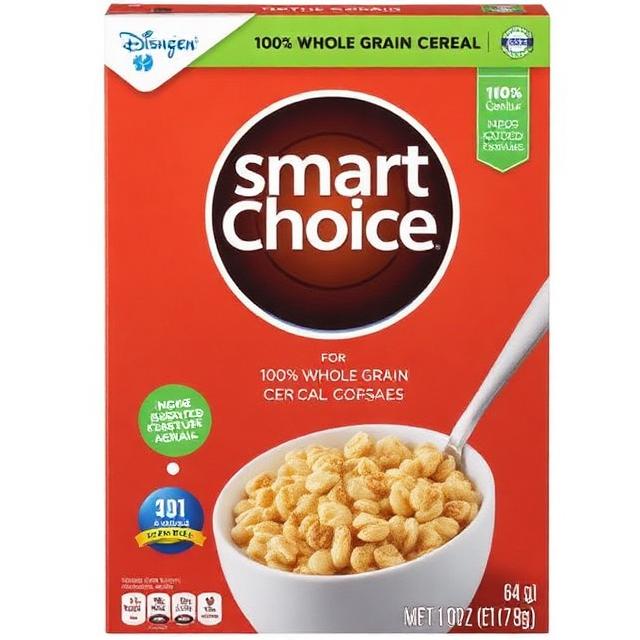
Why Your Cereal Box Matters: Custom Cereal Boxes: A Smart Choice for 100% Whole Grain Cereal (No Added Sugar)
How can you make your healthy cereal stand out on the shelf? Whole grain. No added sugar. Those features are rare. The box is important because customers actively seek what you offer. If the packaging is dull, shoppers pass it by. If it is custom and appealing, they pick it up.
Who Buys No-Sugar Cereal
Parents buy it for their kids. According to the FDA, the updated criteria for foods labeled as “healthy” are designed to help consumers choose products that support a nutritious diet. Nutritionists suggest it. According to a recent article by Gina Pope McKeon and William K. Hallman, many consumers closely examine cereal boxes and pay special attention to ingredient lists, especially when protein content is highlighted on the front of the package. They look for sugar content. Your box has to tell the truth fast and clearly.
What Makes a Good Cereal Box
Cereal breaks easily. According to the FDA, packaging materials for food, like cereal boxes, need to be thick and strong to protect their contents during shipping. It keeps the cereal safe. The box also needs to be closed tightly. No stale cereal. No bugs. No crumbs leaking out. A liner inside helps. According to the FDA, most cereal boxes contain a plastic or wax bag inside to help maintain the cereal’s freshness.
Custom Printing Tells Your Story
A plain white box says nothing. A custom box says, “I am healthy.”
Display “100% Whole Grain” prominently on the front. Use large, clear print.
Place “No Added Sugar” directly underneath. This is your prominent selling point.
Include a photograph of the cereal, perhaps in a bowl with milk and fruit. Avoid artificial colors and sugary additions. Depict real food only.
Put the grain type on there, too. Wheat. Oats. Brown rice. Corn. Rye. People want to know.
Paper Choice Sets the Tone
Kraft paper presents a natural, earthy appearance. It fits organic and rustic brands.
According to the FDA, clear and straightforward information on food packaging, such as front-of-pack nutrition labels, can help products appear more transparent and trustworthy to consumers, which may be especially appealing for medical or diet-focused brands.
A matte finish gives a soft touch, while a glossy finish appears modern. Choose the finish that fits your brand.
Sizes for Different Households
Small boxes are good for single people or for trying your cereal for the first time. One to six servings—ideal for sample packs.
Medium boxes are family size. About ten to twelve servings. This is your best seller.
Large boxes serve bulk buyers and big families. Twenty servings or more.
Order all three sizes if possible. Start with medium if you have to pick just one.
Closure Styles to Consider
The box has to open and close.
A standard tuck top closure is the most common option. The flaps fold together and keep the box closed. This style is reliable and cost-effective, and most cereal boxes use it.
A resealable box has a peel-and-seal strip inside. Customers can close it tightly after pouring. Keeps the cereal fresh longer. This is a nice feature for no-sugar cereal because it stays crisp without preservatives. Resealable features do increase your packaging cost. Check with your supplier about the price difference, and weigh the added freshness against your budget and selling price. To help decide if resealable features are worth it, consider your target customer. For example, if your buyers are families or health-conscious adults who value freshness and premium details, resealable boxes might add real value. If your brand is priced as a premium product or your main competitors offer resealable packaging, adding this feature helps you compete. On the other hand, if your shoppers are more price-sensitive or you are aiming for the lowest cost, a standard box may be better. Consider what your customers expect and where your cereal is sold before making this packaging decision.
Quick decision checklist:
Quick decision checklist: Choose a resealable closure if your audience wants premium, fresh cereal and is willing to pay more. Choose a standard closure if cost is your top priority and your customers are more price-focused. A seal strip to seal the package. This type is more common for oats or granola because regular paper boxes can tear and may not stay airtight for flake cereals. Regardless of the closure, always place the Nutrition Facts on the side of your product. No-sugar cereal buyers check this first.
Put the panel on the back or one side. Make it easy to read. Not tiny print.
List the total sugar. It should be zero grams or close to it.
List dietary fiber. Whole-grain cereal has good fiber. At least three to five grams per serving.
List whole grains as the first ingredient. Not enriched flour. Not refined grains.
Be honest. If it has dried fruit, that fruit has natural sugar. Say “no added sugar,” not “sugar-free.” There is a difference. Also, always check the FDA or local regulations for how to use labeling terms like “no added sugar” or “whole grain.” Following the official guidelines helps you stay compliant and builds trust with your customers. Here are three steps to check your packaging for compliance: 1) Review the latest FDA or local authority guidelines for labeling claims. 2) Compare your box text and ingredient lists against these requirements. 3) Consult a food labeling expert or legal counsel if you are unsure about any claims before printing your final design.
Ingredients List Must Be Clean
Your ingredients list is short. That is good. Whole grain. Maybe a little salt. Maybe a natural sweetener like monk fruit or stevia, if you use one. No high fructose corn syrup. No cane sugar. No honey. No maple syrup. Keep the list simple. Customers will read it. They will trust you if the list looks clean.
Eco-Friendly Is Expected
Cereal boxes are made of paper. Paper is recyclable. That is good. Skip the plastic window if you can. Some boxes have a clear plastic circle to show the cereal inside. That plastic is not recyclable. Use a paper window or no window at all. Recycled cardboard is safe if it meets standards. Labeling as ‘Made from recycled paper’ can attract eco-conscious buyers. Ask suppliers for recycled options and certifications, such as FSC or SFI, or attend trade shows to find reliable, certified packaging companies that offer samples and clear answers.
Shelf Appeal Gets Attention
Your box competes with sugary cereals. Colorful boxes with cartoons and prizes. Your box looks different. That is okay. Use simple colors. Blue and green feel healthy. Brown and tan feel natural. White and black feel serious. Use a simple font. Nothing fancy. Easy to read. Show the cereal clearly. A photo of flakes or puffs. No heavy sauce or syrup. Just the cereal. Show a serving suggestion. A bowl of cereal with milk and sliced banana or berries. That looks good. It shows how to eat your product without added sugar.
Cost Is Manageable
Custom boxes cost more than plain white ones. But not by a lot. Order in quantity. One thousand boxes cost less per box than one hundred. For rough budgeting, expect to pay around $0.60 to $1.00 per box for small runs of 100 to 500 boxes. Ordering 1,000 boxes drops the price to $0.40 to $0.For large orders of 5,000 or more, prices can drop to $0.30 per box, depending on size, paper, and finish.to help you plan your packaging investment.
To reduce costs, use standard box sizes instead of custom shapes, limit the number of ink colors in your print design, and choose a matte finish rather than a high-gloss finish. The article from Gentlever does not address strategies such as combining orders with other small brands or reducing design extras to lower printing costs. Ask your packaging supplier about cost-saving options—they often have tips or discounts for simple or repeat designs. Check with your supplier for exact pricing based on your final choices. Think of the box as your salesperson. It sits on the shelf and talks to customers. A good box sells itself. Start with one size. Your medium size. Order three months’ worth. See how it goes. Then order more.
Where to Sell These Boxes
Grocery stores in the natural foods section. Health food stores. Co-ops. Farmers markets. Online. Amazon. Your own website. Gym cafes. Hospital cafeterias. Schools. Anywhere people look for healthy food.
To get your cereal onto store shelves, start by preparing a simple sell sheet that highlights your cereal’s features, nutrition facts, price, and contact information. Find the right contact for each store—this may be a buyer or category manager. Email or call to introduce your product and ask for a meeting. Bring product samples for them to try. Be ready to explain what makes your cereal different and why customers will want it. If you don’t get a reply, follow up politely after a few days. Keep the process organized by tracking who you contact and their feedback.
According to Food Standards Australia New Zealand, consumers tend to perceive cereals with no added sugar as less tasty than regular options, though some people may prefer the less sweet flavor. Some people add a little fruit or a drop of honey. That is fine. According to the FDA, accuracy and honesty in food labeling are important for consumers. Instead of comparing your cereal to Frosted Flakes, describe the taste honestly by saying it is “naturally sweet” or has a “lightly toasted grain taste.” Customers appreciate this kind of transparency. They will buy again if you tell the truth.
A Note on Marketing Claims
Be careful what you print on the box.
“100% whole grain” means every grain is whole. Not some. Not most. All.
“No added sugar” means no sugar added during processing. Fruit sugar from dried fruit is fine as long as you did not add it. But list it clearly. “Healthy” is a regulated term in some places. Check the rules. Do not overpromise. To ensure your packaging claims comply, consult official guidelines from agencies such as the U.S. Food and Drug Administration (FDA) in the U.S. or the European Food Safety Authority (EFSA) in the EU. These organizations publish clear standards for food labeling and marketing claims. Visit their websites before finalizing your box text: FDA.gov/food or efsa.europa.eu. This helps you make confident, legal claims on your cereal box. “Good source of fiber” requires a specific amount per serving. Check the nutrition facts panel first. Keep it honest. Your customers read labels. They will know if you stretch the truth.
Final Thoughts
Custom boxes for 100% whole grain cereal with no added sugar do four things. They protect the cereal. They tell the truth about ingredients. They show customers why your cereal is different. They build trust. These are significant responsibilities for a single package. Select appropriate paper and box size, print claims clearly, and include a high-quality photograph. Ensure sufficient inventory to maintain shelf presence, as customers actively seek products with these attributes. Facilitate their purchasing decision through effective packaging.
FAQ
Regulations · Where can I find the specific regulations for using terms like ‘healthy’ or ‘good source of fiber’?
Go to the FDA website. The FDA regulates these terms on food labels. For “healthy,” the FDA updated the rules in December 2024. Foods must contain a certain amount from a food group (like fruit or grains) and meet limits for added sugars, saturated fat, and sodium
Updated. For “good source of fiber,” check the FDA’s nutrition labeling guide. The specific numbers are based on Daily Value percentages.
Suppliers · How do I find reliable suppliers for custom, eco-friendly cereal boxes in small or medium quantities?
Look for packaging companies that advertise “no MOQ” (minimum order quantity). Suppliers like Pack Legacy and
CustomBoxPrinting offer custom cereal boxes with no minimums, using eco-friendly materials like kraft paper and recycled board. Ask for samples before ordering. Most suppliers offer free design help and ship within 8 to 12 business days.
Cost · What is the typical price range for custom printed boxes at different order volumes?
Prices drop as quantities go up.
For 500 boxes, expect $3.50 to $6.50 per box. For 1,000 boxes, $2.50 to $4.50 per box. For 5,000 boxes, $1.40 to $2.80 per box. For 10,000 or more, $1.20 to $2.20 per box . Add-ons like foil stamping or lamination cost extra. Simpler boxes with one or two ink colors cost less.
Design · Are there recommended designers or agencies that specialize in healthy food packaging?
Look on Fiverr or Behance for packaging designers. Search for “natural food packaging” or “healthy cereal box design.” On Fiverr Pro, you can find designers with portfolios showing cereal and snack brands
roleIds. Also check Dribbble and 99designs. Some packaging suppliers offer free design help, but that is usually basic. For a full brand look, hire a specialist. Ask to see their work on food packaging before hiring.
Distribution · What are the best strategies for getting shelf space in natural food stores or co-ops?
Start small. Sell at farmers’ markets and local shops first. Build a track record. For natural food stores, contact the local buyer directly. Bring samples and a one-page sell sheet. Be ready for slotting fees (paying for shelf space) and free-fill promotions (giving free product for demos)
S3. Work with a natural foods distributor if you want multiple stores. Co-ops often favor local products. Lead with your “no added sugar” and “whole grain” story. That sets you apart.