
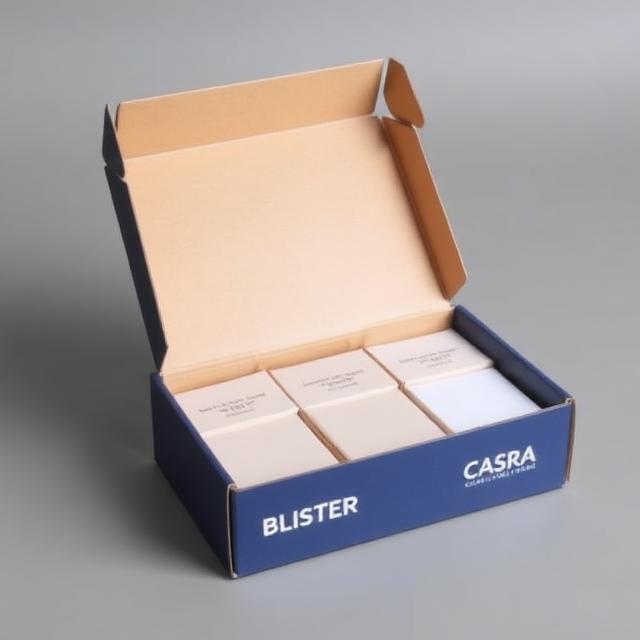
You’ve seen both. One is that crinkly, transparent plastic shell you need scissors to crack open. The other is that brown, fibrous wrap that feels like a grocery bag. But which one actually works better for everyday packaging? I let them talk it out. No marketing speak. Just real talk.
Blister pack: So you’re the one everyone calls “eco-friendly.”
Kraft paper: I don’t call myself that. People just see brown and assume things. I’m paper. Recycled or not, I tear when wet.
Blister pack: Exactly. I don’t tear. I keep things visible. You can’t see through me.
Kraft paper: True. But do people need to see the product before opening? Sometimes yes, like screws or batteries. But for a bar of soap? A gift? Maybe not.
Blister pack: Visibility helps sales. If I’m molded around a tool, you see the shape, the size, the brand. No guessing.
Kraft paper: And I fold around anything. No custom mold needed. You can wrap a mug, stuff me into a box, or crumple me for cushion. I’m a generalist.
Blister pack: But I protect better. Water? Doesn’t matter. Drop me? The plastic holds. Your paper gets crushed and loses shape.
Kraft paper: I’ll admit that. But have you tried opening a blister pack without hurting yourself? People use scissors, knives, teeth. I’ve seen ER stories.
Blister pack: That’s a design problem, not my fault. Some brands add a peel corner. But most don’t because it costs more.
Kraft paper: See, that’s the real difference. You need heat, molds, plastic sheets, and a machine to seal. I need glue or tape. Maybe a string.
Blister pack: So I’m better for mass production. You’re better for small batches. That’s fine.
Kraft paper: And returns. If someone opens you, you’re destroyed. You can’t reseal. I can be folded back. Not perfectly, but close.
Blister pack: But I’m lighter to ship. Less weight, less fuel. Have you thought about that? Paper weighs more per cubic inch.
Kraft paper: Depends. If I’re thin kraft, 40gsm, I’m lighter than your PVC. But thick kraft for protection? Yeah, heavier.
Blister pack: Also, I can go in the freezer. Paper gets soggy.
Kraft paper: And I can go in the compost bin. You sit in a landfill for 400 years. Or get burned. No good options.
Blister pack: That’s fair. But not all plastic is equal. Some blister packs use PET, which is recyclable. Most people just don’t recycle them.
Kraft paper: Most people don’t recycle anything correctly. But at least I break down. If I get wet and dirty, no one cares. You become microplastic.
Blister pack: Ouch.
Kraft paper: Look, here’s the honest answer. You’re good for things that must be visible, tamper-proof, and waterproof. Medicine. Electronics. Hardware.
Blister pack: And you’re good for things that don’t need to be seen, are lightweight, and where the buyer cares about waste. Clothing. Dry food. Cosmetics.
Kraft paper: Plus, I feel different. People touch me and think “natural.” Even if I’m bleached or dyed, the texture says simple.
Blister pack: And I say “secure.” No one accidentally opens me. But also, no one enjoys opening me.
Kraft paper: So we’re not enemies. We’re just different tools.
Blister pack: Yeah. Just don’t wrap a steak in paper and don’t put a greeting card in me.
Kraft paper: Deal.
Quick summary table (no fluff):
| Feature | Blister pack | Kraft paper |
|---|---|---|
| Visibility | Yes | No |
| Water resistance | High | Low |
| Resealable | No | Sort of (fold/tape) |
| Home compostable | No | Yes (if no coating) |
| Custom shape needed | Yes (mold) | No (folds) |
| Shipping weight | Lighter | Heavier for same strength |
| Recycling reality | Rarely recycled | Often recycled or composted |
| Best for | Batteries, tools, meds | Soap, clothes, gifts, liners |
Blister packaging is used across several industries where product protection, visibility, and unit-dose handling are important. Below is a clear overview of the main industries that rely on it and why they use it.
Blister packaging is widely used for tablets, capsules, and lozenges.
This format is common for prescription and over-the-counter medicines because it supports hygiene and controlled usage.
Apart from medicines, blister packs are also used for small medical items.
The sealed structure helps maintain cleanliness until the product is opened.
Small electronic items are often packed in blister packaging.
It prevents tampering and allows customers to see the product before buying.
Many small tools and hardware items use blister packs.
The rigid plastic holds items in place and reduces loss during handling.
Blister packaging is sometimes used for certain food items.
It is chosen when portion control and hygiene are required.
Some personal care products also use blister packaging.
The packaging helps keep products clean and easy to display.
Blister packs are used for small, lightweight items.
It helps organize multiple small items in one pack.
Next time you pick packaging, ignore the green labels and “premium feel” buzzwords. Ask yourself: Does this need to be visible? Does it need to survive moisture? How will the person open it? And what happens after? That’s it. No magic. Just trade-offs.