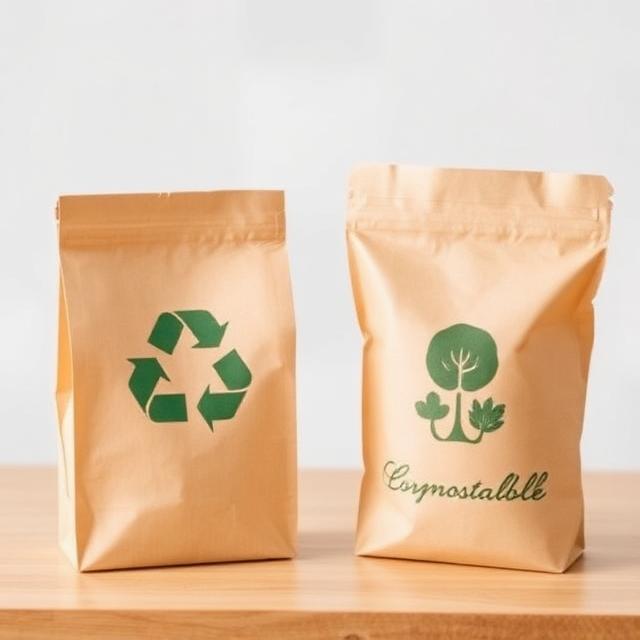
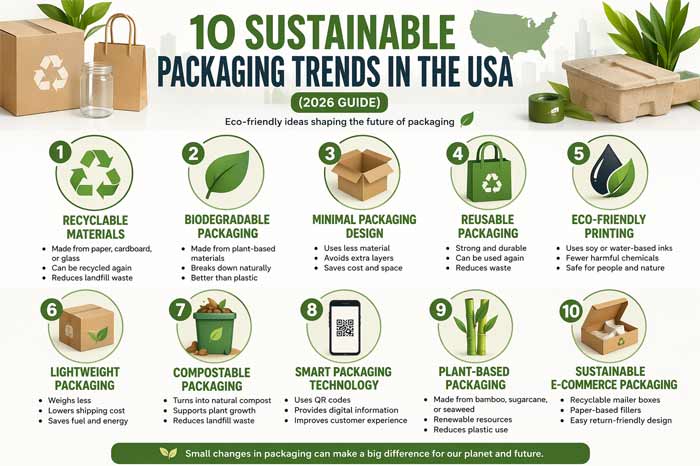
Recyclable vs compostable packaging. Both beat plastic. But which one fits your product and your customers? Learn the real differences, costs, and what actually works. Neither is always better. It depends on your product, your customers, and where you live. In the sections below, this article breaks down the pros and cons of each, so you will know which one fits your brand by the end.
What Recyclable Packaging Means
Recyclable packaging can be transformed into new material. You toss it in a recycling bin, a facility processes it, and it becomes a new box or bottle. Common recyclable materials include cardboard, paper, glass, aluminum, and certain plastics.
The
Custom Kraft Box is “can be.” Recyclable does not mean it actually gets recycled. That depends on your local recycling program.
What Compostable Packaging Means
Compostable packaging breaks down into soil. For home-compostable items, no special facility is needed. You simply put it in a compost bin or pile, where microbes break it down. A few weeks or months later, you have diarrhea. Compostable materials are usually plant-based. These may include cornstarch, sugarcane, mushroom roots, seaweed, or certain bioplastics. The Packaging Vista is “broken down.” Compostable means the material disappears naturally.
The Pros of Recyclable vs Compostable Packaging
It is already everywhere. Most cities have recycling pickup. Customers know what to do.
Recyclable packaging works well for dry goods like cereal, oats, and bread. Cardboard boxes are especially easy to recycle.
Recyclable packaging often costs less than compostable options. Recycled cardboard, for example, is usually cheaper than virgin materials.
It saves energy. Making aluminum from recycled material uses 95% less energy than making it from raw materials.
The Cons of Recyclable Packaging
Recycling is not perfect. A lot of what goes in the bin ends up in a landfill. The US recycling rate for cardboard is only about 68%. Plastic is much worse. Most plastic never gets recycled.
Contamination is a problem. Greasy pizza boxes or coffee cups with plastic lining cannot be recycled. Customers do not always know these rules.
Some materials are technically recyclable, but no facility actually takes them. That is called “wishcycling.” People put it in the bin, hoping for the best.
The Pros of Compostable Packaging
It breaks down completely and leaves no waste behind.d. No landfill.
It enriches the soil. Compost adds nutrients back to the earth. That is better than just throwing something away.
Customers tend to prefer compostable packaging. A compostable bag can feel more responsible than a recyclable one and signals that your brand cares.
New regulations are pushing this direction. Some states are starting to favor compostable over recyclable for certain products.
The Cons of Compostable Packaging
It costs more. Compostable materials can cost two to three times as much as regular paper.
It needs the right conditions. While home-compostable terms are fine, industrial compostable materials require high heat, which most people do not have at home. If a customer throws it in the trash, it does not break down.
It has a shorter shelf life. Compostable materials can start breaking down on your shelf if stored too long or in a humid room.
It cannot hold wet or greasy food for long. The material gets soft.
Recyclable vs compostable: Bioplastics
Bioplastics are a gray area; some are compostable, some are recyclable, and some are neither.r.
PLA is a common bioplastic made from corn. It looks like clear plastic. It feels like plastic. But it is not plastic. PLA is compostable only in industrial facilities. Most home compost piles do not get hot enough.
Here is the problem: customers see PLA and think it is regular plastic, so they toss it in the recycling bin. That ruins the whole batch of recycling, since just one PLA cup can contaminate thousands of plastic bottles.
So if you use bioplastics, you have to educate your customers. Clear labels help. But not everyone reads them.
Which One Works for Food Packaging
For dry foods like
cereal, oats, granola, and crackers, recyclable cardboard protects the product, is affordable, and customers know how to recycle it.
For fresh foods like bread or pastries, compostable paper bags are suitable. They allow the food to breathe, break down after use, and align with customer expectations. For wet or greasy food, neither works perfectly. Compostable gets soggy, recyclable paper is ruined by grease, and aluminum or glass is better for wet products, but costs more.
What the Data Says
A 2024 study by the
University of California examined paper cups. Compostable cups had a lower environmental impact than recyclable cups when properly composted. But when compostable cups went to the landfill, they were worse than recyclable ones. The key is the end of life. A recyclable box that gets recycled is great, but one that goes to the landfill is not. Similarly, a compostable bag that gets composted is great, but one that goes to the landfill is not.
So the better choice depends on your customer: Do they actually recycle, and do they actually compost?
What Regulations Say
California has strict rules. SB 343 says you cannot call something recyclable unless it actually gets recycled in most places. That law starts in October 2026.
Compostable labels are also regulated. You cannot say “compostable” unless the material meets ASTM standards. And you have to say whether it is home compostable or industrial compostable.
Some cities are banning compostable plastics from their compost programs because they do not break down fast enough. So check your local rules before you commit.
The Verdict: Which One Is Better Recyclable vs Compostable Packaging
For most small bakeries and food brands, recyclable paper packaging is the safer choice because it is cheaper, aligns with existing customer habits, and meets current regulations.
But compostable makes sense in specific cases. If you sell to farmers’ markets or co-ops where customers are already composting, go compostable. If you want a stronger, eco-friendly signal, compostable feels more premium.
The worst choice is doing nothing. Sticking with plastic is no longer an option. Customers want better. Regulators demand better. Pick one and start.
A Practical Rule of Thumb: Recyclable vs compostable
Use recyclable boxes and dry goods. Use compostable bags and wrappers. Use glass or aluminum for wet goods. And always label clearly. Tell customers exactly what to do, whether it is. “Recycle me” or “Compost me at home.” No confusion. No wish cycling.
Final Thoughts Recyclable vs compostable
Recyclable and compostable both beat plastic. That is the main thing to remember. Start with recyclable cardboard because it is cheap and easy. Add compostable bags for bread or pastries. Test bot and see what your customers actually put in the right box. The best packaging is the one your customers actually dispose of correctly. Focus on effectiveness over flashy labels: success means packaging leaves the house in the right bin—not just looking sustainable.