
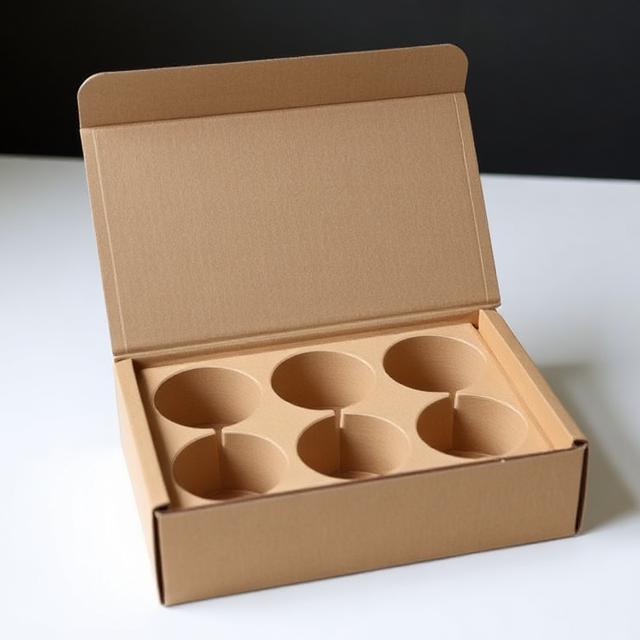
You’ve invested in beautiful custom packaging. The box looks stunning on the outside. But what about the inside? Custom inserts are the unsung heroes of premium packaging. They hold your product securely, prevent movement during transit, and create a “reveal” moment that delights customers. Whether you’re shipping glass perfume bottles or displaying luxury watches, the right insert makes all the difference.
At PackagingVista, we help Los Angeles businesses select and design custom inserts that protect products and elevate brands. This guide covers everything you need to know.
| Benefit | Description |
|---|---|
| Product Protection | Prevents shifting, scratching, and impact damage during shipping |
| Professional Presentation | Creates a “nestled” look that signals quality and care |
| Organization | Keeps multiple components (e.g., product + accessories) neatly arranged |
| Brand Experience | Adds a layer of intentionality to the unboxing moment |
| Reduced Returns | Fewer damaged products mean fewer customer complaints and refunds |
Description: Die-cut cardboard pieces that create compartments, layers, or structural support.
Best For:
Retail boxes with multiple components
Folding cartons
Budget-conscious projects
Pros:
Cost-effective
Recyclable
Can be printed with branding
Cons:
Less cushioning than foam
Limited protection for extremely fragile items
Description: Soft, cushioning foam cut to fit the exact shape of your product.
Best For:
Electronics (cameras, headphones, devices)
Fragile glass or ceramic items
Luxury goods (watches, jewelry)
High-value products
Pros:
Excellent shock absorption
Customizable with fabric or velvet lamination
Professional, premium appearance
Cons:
Higher cost than cardboard
Not typically recyclable (though some eco-friendly options exist)
Description: Biodegradable trays made from recycled paper pulp, formed to fit your product.
Best For:
Cosmetics and skincare
Electronics
Food items
Brands with strong sustainability commitments
Pros:
100% recyclable and compostable
Made from recycled materials
Excellent protection
Cons:
Higher minimum order quantities
Less premium appearance than foam or fabric
Description: Foam or cardboard bases wrapped in velvet, satin, or suede fabric.
Best For:
Jewelry
Watches
High-end cosmetics
Gift sets
Pros:
Luxurious, premium feel
Customizable fabric colors
Excellent for retail presentation
Cons:
Highest cost option
Less protective than foam alone (often combined with foam)
Description: Interlocking corrugated dividers that create multiple compartments.
Best For:
Bottles (wine, spirits, skincare)
Subscription boxes with multiple items
Bulk packaging
Pros:
Low cost
Recyclable
Customizable configurations
Cons:
Limited cushioning
Basic appearance
| Insert Type | Cost | Protection Level | Premium Look | Eco-Friendly |
|---|---|---|---|---|
| Cardboard | $ | Medium | Low | ✓ |
| Foam | $$$ | High | High | Limited |
| Molded Pulp | $$ | High | Medium | ✓ |
| Fabric/Velvet | $$$$ | Medium | Very High | Limited |
| Corrugated Partitions | $ | Low | Low | ✓ |
Consider inserts if:
Your product is fragile (glass, ceramic, electronics)
You’re selling at premium price points
Your box contains multiple components
You want to create a memorable unboxing experience
You’re experiencing high return rates from shipping damage
You may not need inserts if:
Your product is durable and not easily damaged
The box itself provides sufficient fit and protection
You’re prioritizing absolute lowest cost
Measure precisely: Inserts should cradle your product without being too tight or too loose.
Consider assembly: Complex inserts may require manual assembly—factor this into your fulfillment process.
Add branding: Printed cardboard inserts or custom fabric colors reinforce brand identity.
Plan for sustainability: If eco-friendliness is important to your brand, choose molded pulp or recyclable cardboard.
Request a sample: Before committing to large quantities, test the insert with your actual product.
We offer custom insert design and manufacturing for all box types. Our team can:
Recommend the right insert type for your product
Create custom dielines for cardboard and foam
Source eco-friendly molded pulp options
Provide free design support throughout the process
Ready to protect your product in style? Contact PackagingVista to discuss custom inserts for your next project.