Blog · By The Packaging Vista Team · April 3, 2026
How to Package Soap: A Complete Guide for Selling and Shipping
If you are making homemade soap, packaging is the step that turns your hobby into a business. Many beginners miss this. But buyers do not just buy soap. They buy presentation, hygiene, and trust.
Learning the right way to plan homemade soap packaging early can save you from costly mistakes. It protects your bars. It makes even a simple product look premium on a shelf or an online listing. This guide covers how to package soap, the best materials, and how to build a brand buyers remember.
| Batch size | Recommended pack | Why |
|---|---|---|
| Test / gift (1–20 bars) | Paper wrap + twine or sticker | Cheapest; no tooling required |
| Farmer’s market (20–100) | Kraft sleeve or paper wrap | Branded, low cost, breathable |
| Retail launch (100–500) | Reverse tuck-end + window | Sells on shelf; INCI panel space |
| Wholesale / online | Two-piece box + tissue | Premium unboxing for DTC |
| Bulk shipper | Corrugated master carton | Ships 12–48 primary packs safely |
Why Soap Packaging Matters
Soap is more sensitive than most people think. Cured bars keep reacting with their surroundings. The wrong packaging can ruin weeks of work. Soap is sensitive to:
- Air exposure
- Moisture
- Contamination
Good custom soap packaging and boxes handles all three. It shields the bar in transit. It keeps it clean and hygienic. It presents it in a way that signals quality.
Without the right packaging, even a top bar can lose its scent, spot up, or fail to stand out. Packaging is the first thing a buyer touches. For handmade goods, it carries the story of the product.
Steps to package a homemade soap bar for sale:
- Cure the soap 4–6 weeks before packaging – a wet bar warps the label.
- Weigh each bar and pick a size class (3.5 oz, 4.5 oz, etc.).
- Choose a wrap: paper band, sleeve, tuck-end box, or shrink-band.
- Design the label with brand mark, scent, INCI list, net weight, and warnings.
- Print or apply the label so the seam falls on the back edge.
- Barcode if selling wholesale – UPC on a flat panel that scans easily.
- Pack for shipping in a corrugated shipper with paper void fill.
Best Packaging Options for Beginners
You do not need a costly setup to package soap well. The most useful picks balance protection, cost, and shelf appeal:
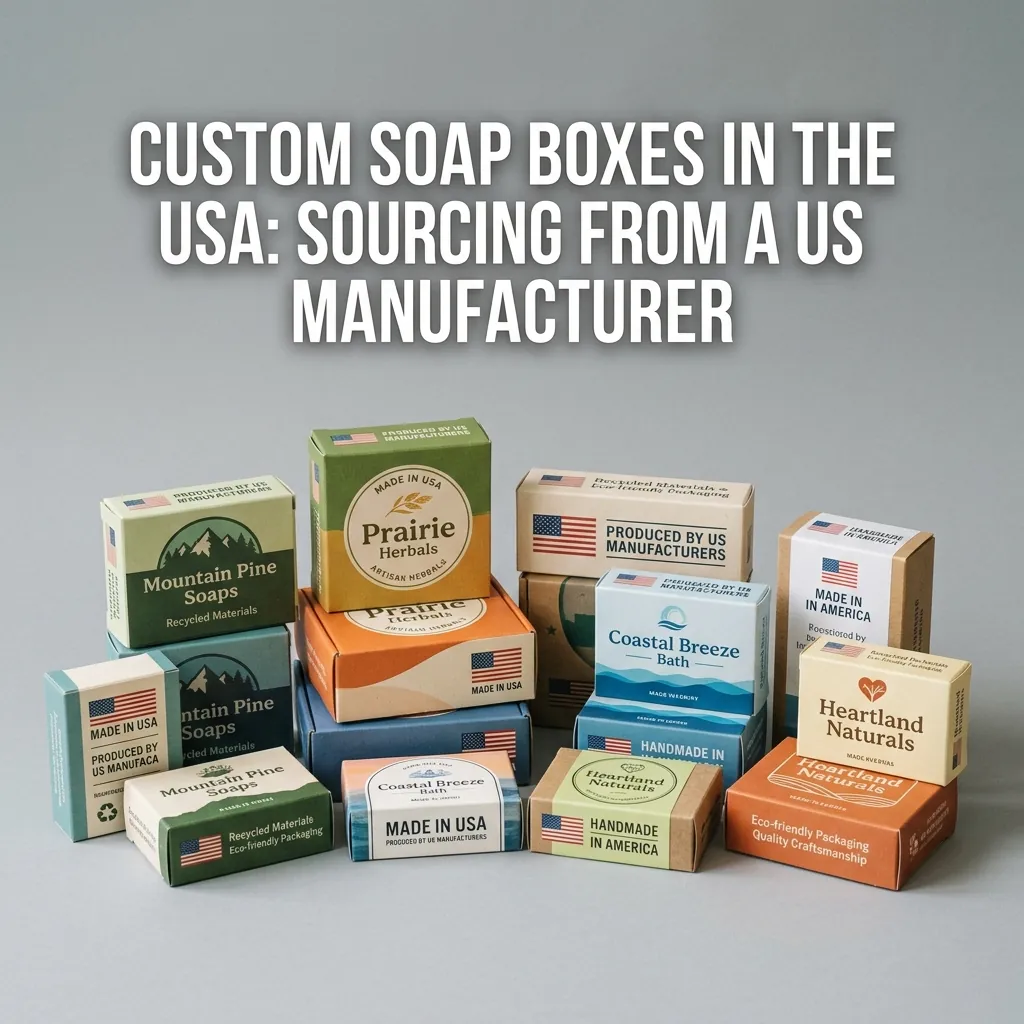
- Soap boxes – best for branding and a professional, retail-ready look.
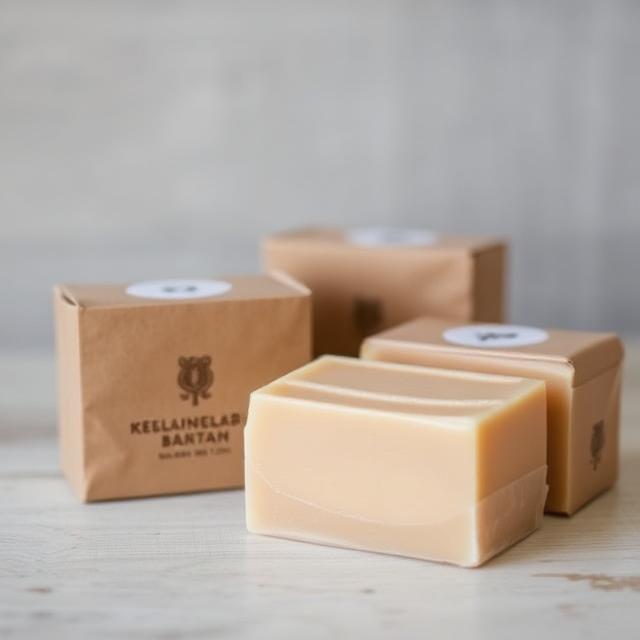
- Kraft wraps – cheap, eco-friendly, and on-trend for artisan soap.
- Fabric wraps – unique, reusable, and great for gift sets.
Boxes are the strongest pick if you want a steady, pro brand look. They stack neatly. They shield the bar on all sides. They give you full surfaces to print your logo, ingredients, and scent story.
Many beginners mix formats. A printed box works for retail. A simple kraft wrap works for markets or samples.
Let Your Soap Breathe
Unlike candles, soap needs airflow. Sealing a bar in airtight plastic traps moisture. That causes “sweating,” softening, and even spoilage of natural ingredients. The rule of thumb for handmade soap is simple:
Skip fully sealed plastic. Use breathable options like paper wraps and breathable cardboard soap boxes. These let a bit of air move while still shielding the bar. So quality and scent both hold up.
A box with a partial wrap, or a wrap with an open band, is a popular middle path. It looks polished and keeps the soap healthy.
Choosing Eco-Friendly Kraft Packaging
Handmade soaps wrapped in eco-friendly kraft have become a mark of craft quality and green care. The mix gives a rustic, natural look. It also meets the rising buyer demand for green products.
Kraft is recyclable and biodegradable in most forms. It pairs well with simple type and natural texture. For a beginner, it is one of the most forgiving and low-cost materials to start with. A plain kraft box or band with a clean label often looks more premium than a busy, glossy plastic one.
Focus on Aesthetic Appeal
Your soap should look gift-worthy. Much of it will be bought as a gift or an indulgence. Lift the look with:
- Clear, well-designed labels
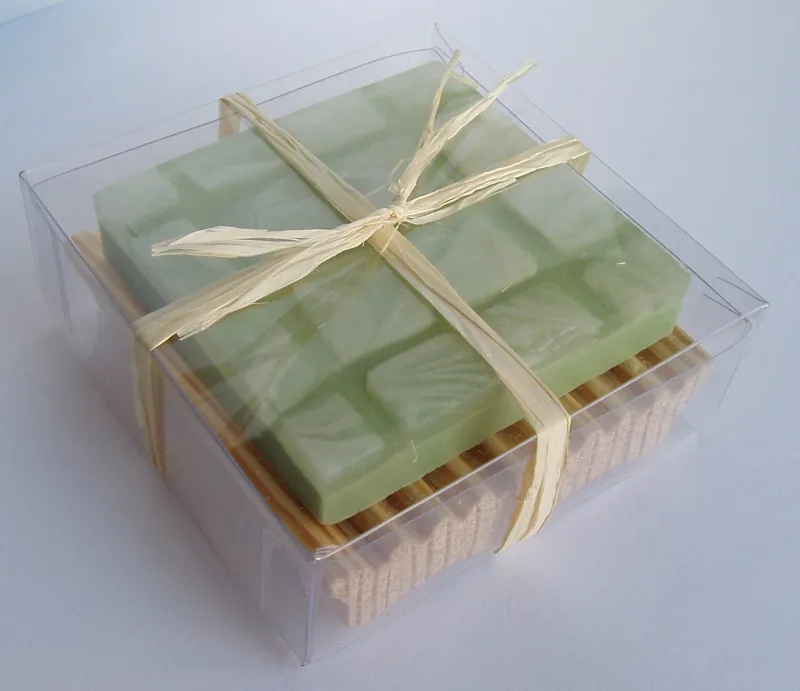
- Window cuts that show the bar and its color
- Natural texture like kraft, twine, or embossed paper
A window box works well for colorful or layered soaps. It lets the product sell itself. Keep the design clean. One or two colors, a clear font, and a steady layout usually beat a crowded label.
Build a Strong Brand Identity
Even small brands should treat every bar as a brand ambassador. Steady packaging builds recall and trust. It makes a hobby look like a real company. At a minimum, add:
- Your logo
- The ingredients list
- A scent description
The same layout, same color palette, and same materials across your range is what turns one-time buyers into repeat buyers. A printed box gives you the space to do this well. It also keeps your branding the same across every scent in your line.
Labeling and Compliance Basics
Once you sell soap rather than give it away, labeling matters for both trust and rules. True soap is ruled differently from cosmetics. But many handmade bars make claims (moisturizing, exfoliating, scented) that push them into cosmetic-label land.
To stay safe and pro, get the basics right on every pack:
- List ingredients clearly so buyers with allergies or sensitivities can decide with ease.
- State the net weight of the bar. Buyers judge value by size.
- Add your business name and contact so the product can be traced to you.
- Be careful with health claims. Describing benefits is fine. But do not imply the soap treats a medical condition.
A printed box or a well-built label gives you room to lay this out cleanly. That beats cramming it onto a tiny sticker. It also shows yours is a real, trusted brand, not a casual batch.
Choosing Between Wraps, Bands, and Boxes
Most soap makers settle on one of three formats. Each suits a different stage of growth. A quick compare helps you pick the right start:
- Paper wraps and bands – the lowest-cost pick, great for markets, samples, and a rustic look. They use little material and apply fast. But they give less protection and less print space.
- Window boxes – the best of both worlds for colorful soaps. The box shields the bar while the window lets the product sell itself. Great for retail shelves and gift sets.
- Fully printed boxes – the most pro and protective pick, with full surfaces for branding and info. Best once you commit to a steady line.
Many makers start with kraft wraps. They move to printed boxes as the brand grows and orders warrant the step up. There are no die or plate fees, and the minimum is just 100 boxes. So moving to a custom box does not need a big bet.
How is soap packaged and why?
Commercial soap is packaged in a primary wrap (band, sleeve, shrink, or carton) that touches the bar and carries the required label, and sometimes a secondary pack (gift box, sampler, or multi-pack carton) that groups bars for retail or gifting. The why is three jobs stacked into one printed surface: protect the bar from moisture, dust, and handling damage; carry the FDA cosmetic or soap labeling that is legally required to sell across state lines; and present the brand clearly enough that a shopper picks your bar over the one next to it.
Breathable formats (open sleeves, bands, kraft wraps, window cartons) are the US handmade standard because sealed plastic traps moisture against cold-process bars and causes sweating, softening, and dreaded orange spot (DOS). This is why "how is soap packaged and why" is a different question than "how is shampoo packaged" — soap keeps curing after it leaves your workbench, and the pack has to let that happen.
How to pack soap and how to wrap homemade soap: the three formats
If you are starting from zero and want to know how to pack soap or how to wrap homemade soap, there are three formats and most makers run two of them side by side:
- Hand-wrap the bar in kraft paper or printed tissue, close with a branded sticker seal or a wax-sealed string. Lowest cost (under $0.10 per bar at small scale), fastest to apply, no tooling. Best for farmers market, gift sets, and samples. Reads artisan the moment a buyer picks it up.
- Slide a printed sleeve or belly band around the center of the bar, leave both ends open. The sleeve carries your brand, scent name, ingredients, and net weight on one panel. Open ends keep the bar breathable. This is the most common format on US indie soap at $0.20–$0.50 per bar on a 500-run.
- Enclose the bar in a printed tuck-end carton, with or without a die-cut window. Full six-panel branding, maximum protection, retail-ready stack and barcode support. $0.35–$0.90 per box on a 500-run; windows add $0.08–$0.18 per box.
For the full comparison of each format against bar type (cold-process vs melt-and-pour vs glycerin), see our soap packaging guide, and the specific sizes in our custom soap boxes product page.
Packaging homemade soap for sale: the step-up checklist
Once you decide to sell rather than gift the bars, the packaging has to meet three new bars that gifted soap does not: FDA cosmetic labeling if your bar makes any beauty claim, a steady brand look across every scent so buyers recognize your range, and consistent sizing so the bars fit the box and the box fits a retail shelf.
If you are still refining your soap recipe and asking how to make homemade soap to sell, lock the recipe and bar size before you commit to packaging — your bar dimensions after cure determine the box dieline, and recipe tweaks that change the bar size make the pack size wrong.
Once the bar is stable:
- Weigh each cured bar and pick a size class (3.5 oz, 4 oz, 4.5 oz, etc.).
- Pick a wrap format — band, sleeve, tuck-end carton, or window box.
- Design the label with brand mark, scent name, ingredients, net weight, and warnings. See our soap labels and soap boxes guide for layout and compliance.
- Order a 100-box test run — no die or plate fees means a single scent in branded packaging costs the same tooling as a 10,000-unit wholesale run.
- Barcode if you want wholesale placement — a GS1 UPC on a flat panel scans at register.
- Lock the shipping method if you sell online. For bars shipping through USPS or UPS, see our full step-by-step on how to package soap for shipping and selling at markets.
The jump from a gifted bar to a sellable SKU is mostly packaging-design and compliance work, not more soap-making. Once that first printed sleeve or carton is on your bar, every scent after that uses the same tooling and the same free dieline on file.
Shipping Protection Tips
Soap is dense. It can chip or crack if it shifts in transit. Damp air can dull its look before it ever reaches the buyer. To ship safely, use:
- Cushion to soak up shocks
- Tight, right-sized packaging so bars do not move
- Moisture barriers for longer trips
A sturdy outer mailer with a snug fit shields both the soap and its printed pack. So the buyer’s first look is as good as you meant it.
Frequently asked questions
What is the best way to package handmade soap?
A breathable option is best. A printed soap box, a kraft wrap, or a paper band beats fully sealed plastic. This shields the bar, lets it breathe, and gives you room for branding.
Can I seal soap in plastic?
Skip airtight plastic. Soap needs airflow. Sealing it can trap moisture and cause sweating or softening. If you use any film, leave it loose or use a breathable paper option.
Do I need a custom box to start selling soap?
Not strictly. But a custom box makes your soap look pro and keeps branding steady. With a low 100-box minimum and no die or plate fees, custom packaging is within reach even for a brand-new soap business.
What information should go on soap packaging?
At a minimum, add your logo, the ingredients, and a scent description. Many makers also add weight, usage notes, and contact or social details to build trust.
Why is breathable packaging important for handmade soap?
Cured soap keeps reacting with the air, and trapped moisture makes bars sweat, soften, spot, and lose scent. A fully sealed plastic film cuts off airflow and shortens shelf life within weeks. A kraft wrap, paper band, or printed carton lets a small amount of air move around the bar so it stays firm, keeps its scent, and reaches the buyer looking the same as it did when you finished curing it.
How do I choose between a wrap, a band, and a printed box?
Choose paper wraps and bands for markets, samples, and a rustic feel at the lowest per-unit cost. Choose a window box for colorful or layered bars where the product sells itself. Choose a fully printed carton once you commit to a line, want steady retail branding, and need room for ingredients, weight, and business name on a legible panel.
Many makers start with kraft and step up to printed boxes as orders warrant.
What are the benefits of a printed carton over a paper wrap?
A printed carton stacks and ships better, gives full surfaces for logo, ingredients, and scent story, protects the bar on all sides, and reads as retail-ready on a shelf. It also lets you keep branding steady across every scent in the line, so buyers recognize your bars at a glance. Wraps are cheaper per unit but harder to stack, easier to scuff, and shorter on legal label space.
How much does a custom soap box cost for a beginner?
Pricing is quote-based on size, stock, and finish. There are no die or plate fees at the 100-box minimum, so a first-time maker can order branded boxes for one or two scents without warehouse-scale stock. A plain kraft tuck-end with one-color print is the low-cost entry point; adding a window, foil accent, or soft-touch finish raises unit cost but keeps the run reachable.
Is it worth investing in custom packaging when just starting out?
If you plan to sell rather than gift the soap, yes. A steady printed pack turns a hobby into a brand, gives you the label space to comply with cosmetic and FDA soap rules, and lifts perceived value at the same bar price. At a 100-box minimum with free dieline and design help, the entry cost is small next to the pricing power a real brand gives you at markets, wholesale, and online.
For more examples, browse these artisan soap boxes from OLX Packaging.
Soap packaging is where craft meets function. With the right plan, you can make even simple bars look premium. For the full picture on materials, box styles, and design, see our soap packaging guide; for shipping and farmers-market pack-out, see how to package soap for shipping and selling at markets; and for the label and box-making side, see our how to make soap labels and soap boxes guide.
Or browse custom soap boxes for makers. When you are ready, request your free quote or contact our team to design packaging built for your handmade soap.