Blog · By The Packaging Vista Team · June 20, 2026
Soap Packaging: Boxes, Sleeves and Wraps
Soap packaging usually has to do three things. It has to look natural and handmade. It has to let the buyer see or smell the product. And it has to stay cheap at small batch sizes.
Whether you sell cold-process bars at a farmers’ market or a full retail line online, your custom soap packaging is the first thing a buyer touches. For handmade soap, that tactile, artisan feel is most of the sale. This guide goes deeper on soap than our main retail packaging guide. It covers box styles, sleeves, wraps, stocks, sizing, and labels for handmade and retail soap brands.
What box styles work for soap?
There is no single right format for soap. Packaging design here is a three-way trade between print surface, product protection, and letting the bar breathe. The three workhorses are folding cartons, window boxes, and sleeves:
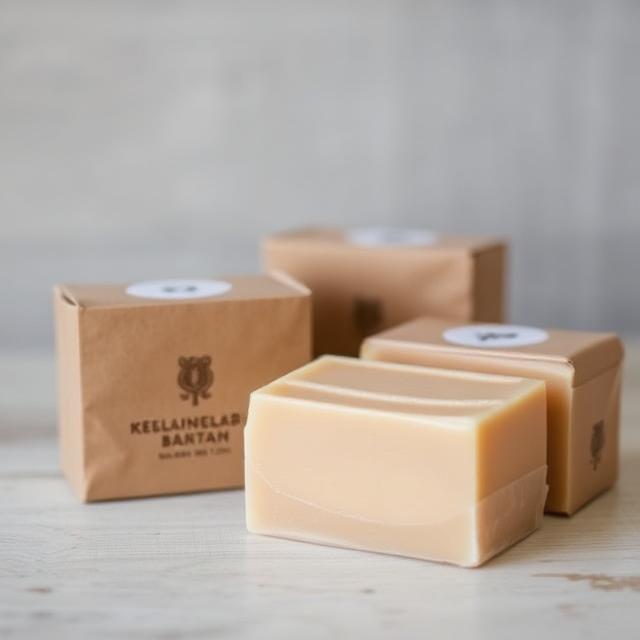
- Kraft folding cartons for a natural, artisan look that guards the bar fully and gives you print panels on every side. See kraft folding soap boxes.
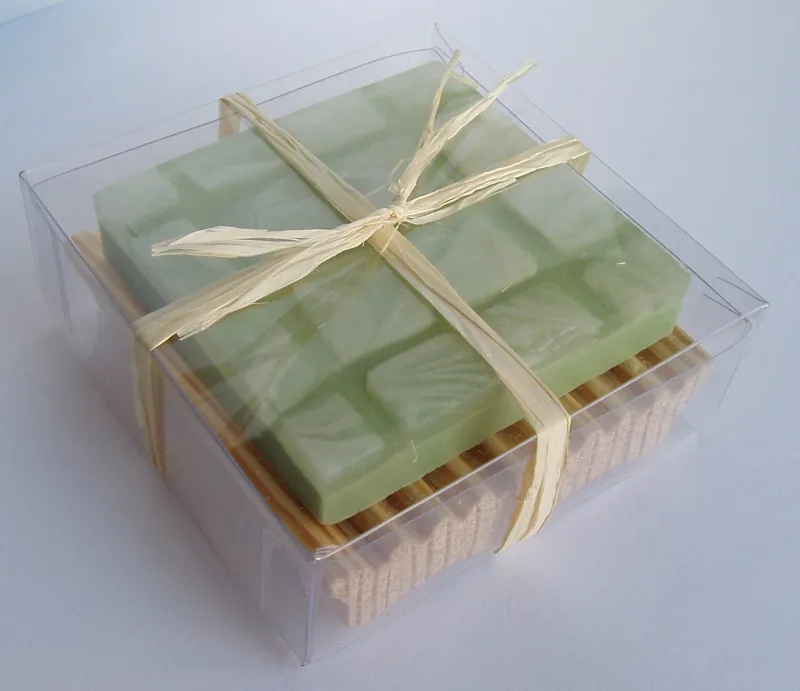
- Window boxes to show the soap’s color, swirl, and texture while still holding it in. See window boxes for soap bars.
- Sleeves for a minimal, low-cost wrap that still brands the bar and leaves the ends open. See low-cost soap sleeve boxes.
Show, vent, or wrap?
Soap is a sensory product. So many brands use a window or an open sleeve so buyers can see and smell it on the shelf.
The choice also depends on the soap itself. Cold-process and natural soaps keep curing and losing moisture for weeks. So they often do better in an open sleeve, a vented box, or a breathable wrap than in a fully sealed carton that can trap moisture and dull the scent. Melt-and-pour and glycerin bars sweat in humid air. So a snug wrap or shrink band can help.
| Soap type | Best format | Why |
|---|---|---|
| Cold-process | Open sleeve or vented box | Continues curing, needs airflow |
| Hot-process | Window box or sleeve | Rustic look shows the bar |
| Melt-and-pour | Snug wrap or shrink band | Prevents sweating in humid air |
| Glycerin | Fully sealed carton | Absorbs moisture without a barrier |
| Botanical/artisan | Kraft folding carton | Signals natural, clean-label story |
| Bright/colorful line | SBS window box | Photo-quality print, visible shade |
We also print soap wrapping paper for hand-wrapped bars. That is the most classic and lowest-cost pick of all.
Which natural materials match the story?
Buyers expect handmade soap to feel handmade. The stock does most of that work before they read a word.
Kraft and recycled stocks with soy or water-based inks fit the clean, plant-forward tone most soap brands want. They also recycle with ease, which matters to this crowd. Bleached SBS cardstock is the better pick if your brand leans bright, colorful, or clinical and you want photo-quality print.
For an eco-forward line, lean into the natural look and back it with honest claims. See our sustainable retail packaging guide for how to do that with proof.
How do you size soap packaging to the bar?
A common slip is ordering packaging before the bars are steady. Hand-cut soap varies. So settle your mold and cutter first. Then measure several finished bars and size the box or sleeve to the biggest typical bar plus a small allowance.
A standard rectangle bar around 3.5 × 2.5 × 1 inches is a good starting point. But your exact recipe and cure shrinkage will shift that. We build to your sizes. So you are not forced into a stock size that almost fits. A snug box looks more thought-out and guards better in shipping.
How do you label soap the right way?
How a bar is labeled depends on the claims you make. Plain cleansing soap is ruled on differently than soap sold with cosmetic claims (moisturizing, anti-aging) or drug claims (antibacterial, acne treatment). Those need ingredient lists and set statements.
At minimum, most retail bars show the product name, net weight, your business name and contact, and ingredients. Leave clean panel space for all of it when you design the box.
This is general info, not legal advice. Verify current FDA and FTC label rules for your product and claims before you print. Our walkthrough on how to make catchy soap labels covers the design side.
Is it affordable at small batches?
Soap makers often start small and grow a batch at a time. Our 100-box minimum with no die or plate fees lets a new brand get branded packs without spending on thousands of units. Sleeves are the cheapest way to test a design or run a seasonal scent, since they use the least stock.
As your volume grows, you can move to fully printed cartons with no re-tooling. We hold your dieline and art on file. Pricing is quote-based on your size, stock, and finish. Our typical 8–10 day turnaround means you are not waiting weeks for a market or launch.
What finishing touches lift value?
Small touches do a lot for a low-cost item like soap. A matte or soft-touch finish makes a kraft box feel more premium. A spot of foil or a debossed logo adds a craft cue without much cost. Tissue, a sticker seal, or a printed band turns a plain bar into a gift-worthy item.
Keep finishes light on natural lines. That way the box still reads as honest and recyclable, not glossy and mass-made.
What packaging fits each sales channel?
Where you sell shapes the packaging. At a market or craft fair, an open sleeve or window lets buyers smell and inspect bars. A low per-unit cost also matters when you are buying stock up front.
For retail and wholesale shelves, a fully printed folding carton stacks neatly. It guards the bar and carries the barcode and label panels buyers expect. For e-commerce, the bar needs to survive shipping. A sturdier carton or a wrap inside a mailer beats a flimsy sleeve that can crush in transit.
Many soap makers run two formats. A simple wrap or sleeve for in-person sales. A printed carton for retail and online. We hold your dieline on file with no die or plate fees. So adding a second format later is easy.
Frequently asked questions
Do handmade soaps need a fully enclosed box?
Not always. Cold-process and natural bars often do better in an open sleeve or vented box so they can continue to breathe, while a window box or wrap also lets buyers see and smell the soap. Choose enclosure based on the soap, the shelf, and the look you want.
What is the smallest soap order I can place?
Our minimum is 100 boxes, sleeves, or wraps, with no die or plate fees – small enough for a new brand to launch a single scent or test a design.
Which material is best for natural soap?
Kraft and recycled stocks suit natural, plant-based soap and recycle easily. Choose bright SBS cardstock instead if your brand is colorful or you want photo-quality print.
What is the difference between a soap box, a sleeve, and a paper band?
A full folding carton fully encloses the bar – best for retail, e-commerce, and gift lines that need a barcode panel and full label copy. A sleeve is a printed wrap that shows the top or side of the bar, ideal for market stalls where buyers want to see and smell the soap. A paper band is the lightest option – a printed strip around a naked bar, cheapest per unit and fully compostable.
How do I choose between kraft, SBS, and recycled stock for soap?
Match the stock to the story. Kraft suits natural, plant-based, and cold-process bars – it recycles easily and reads as artisan. Bright SBS cardstock suits colorful, modern, or photo-heavy brands where color has to pop. Recycled or FSC stocks suit clean-beauty lines that lead with sustainability. Tell us the soap type and target retail and we suggest a stock on the free dieline.
How much does custom soap packaging cost at low volume?
Pricing is quote-based on format, size, stock, print, and finish. There are no die, plate, or setup fees. The minimum is 100 boxes, sleeves, or bands and US shipping is free. Paper bands and simple sleeves cost the least per unit. Fully enclosed folding cartons with foil or spot UV cost more but lift retail price points. Send bar size and target quantity for a same-day quote.
Is custom soap packaging worth it for a farmers-market brand?
For most growing soap brands – yes. Even a printed paper band or simple sleeve at 100 units lifts perceived value over unwrapped bars and doubles as free ad space through the buyer’s bathroom. As you grow into retail or e-commerce, upgrade to a printed folding carton without redesigning the label. We hold your dieline on file so adding a second format later is fast.
Get custom soap packaging
For more examples, browse these custom soap wraps from OLX Packaging.
Tell us your bar size and brand look, and we will recommend a box, sleeve, or wrap with a free dieline and design support. Start with our full retail packaging guide or our beginner walkthrough on how to package homemade soap, then request your free quote or contact our team.