Blog · By The Packaging Vista Team · June 20, 2026
Retail Packaging by Product: Boxes for Candles, Soap, Supplements and More
Retail spans a huge range of products. A candle, a bar of soap, and a supplement bottle each need a different box.
Choosing retail packaging by product means matching shape, fit, and finish to what is inside – a fragile glass vessel, a messy bar, a tall bottle, or a curated gift set. This piece matches common retail products to the right packaging, covering candle boxes, soap boxes, supplement boxes, gift boxes, and subscription boxes.
It goes deeper than the box-styles section of our main retail packaging guide.
Retail packaging by product, at a glance:
- Candles & home: printed rigid or two-piece boxes – weight signals value on the shelf.
- Supplements & wellness: reverse-tuck cartons with foil for trust cues + panel space for compliance copy.
- Beauty & cosmetics: tuck-end or sleeve-and-tray with soft-touch and spot UV.
- Gifts & subscriptions: mailer or magnetic-closure rigid built for the unboxing photo.
- Slim, light, shipped: pillow boxes or slim mailers cut dimensional weight.
- Every category: UPC on a flat panel, brand color to spec, finish that survives a stock check.
Retail packaging at a glance
| Product | Best pack style |
|---|---|
| Candles | Sturdy boxes that protect glass vessels; see candle boxes for glass vessels. |
| Soap & bath | Window or kraft cartons and sleeves; see soap boxes and kraft sleeves. |
| Supplements | Retail cartons with room for facts panels; see supplement boxes with facts panels. |
| Gifts & premium | Rigid two-piece boxes; see rigid two-piece gift boxes. |
| Subscriptions & DTC | Printed-interior boxes with inserts; see subscription boxes with printed inserts. |
| Slim & light items | Sleeves and pillow boxes; see custom printed sleeve boxes and pillow boxes for light items. |
| Shipped goods | Branded mailers; see branded custom mailer boxes. |
Why structure should follow the product
The pull is to pick a box you like the look of and force the product into it. The better order is the reverse.
A candle in glass has different needs from a paper-light cosmetic. One needs crush and shock guard. The other needs print quality and a clean face. Start from the product’s weight, fragility, mess factor, and how it sells – on a shelf, in a window, or shipped direct. The right shape usually becomes clear.
Matching the box to the job is also what keeps cost in line. You are not over-building guard a product does not need. You are not under-guarding one that does.
Home and wellness
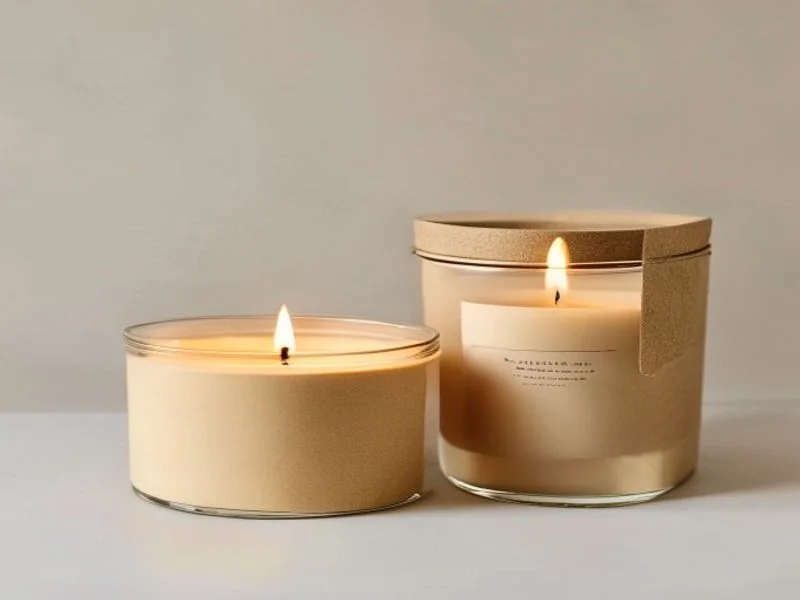
Candles and bath products are fragile or messy. They need guard cartons that also show off a hand-made feel. See our candle packaging and soap packaging guides for the deep dives.
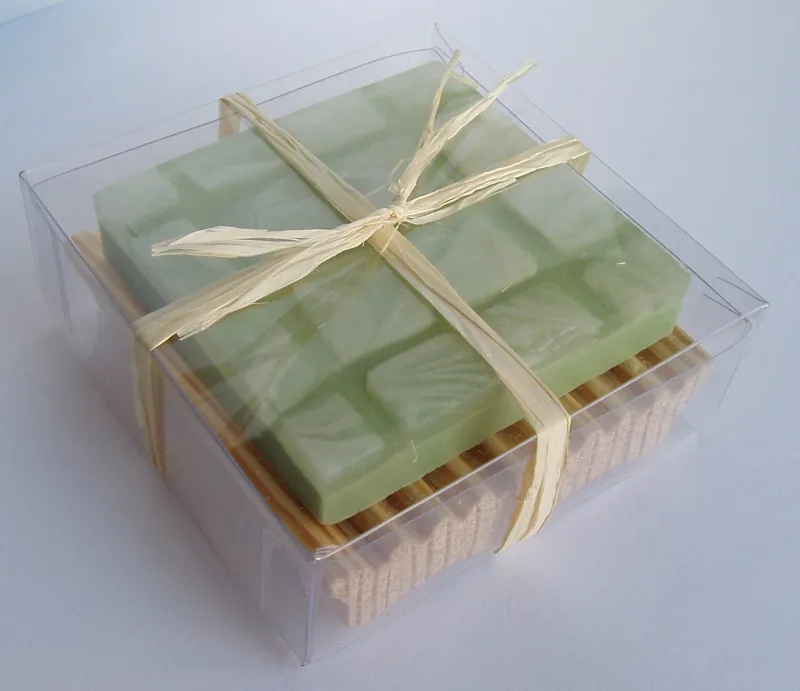
Glass candle vessels gain from a snug fit. For shipping, use a sturdier board so the jar does not shift. Soap and bath products lean on window cartons or kraft sleeves that let texture and color show while keeping the bar clean and safe. An unbleached, natural look backs the artisan feel these fields thrive on.
Health and supplements
Supplements ship in retail cartons sized to the bottle. Leave space for a facts panel and needed lines. See our supplement packaging guide.
The carton has to hold the bottle so it does not rattle. Leave clean panel space for a supplement facts panel, directions, and any legal lines. A snug tuck-end carton is the workhorse here. A coated white stock keeps the printed info sharp and easy to read – key in a field where buyers scan the panel before buying.
Beauty and cosmetics
Cosmetics live and die on shelf presence. So print quality and finish matter as much as shape.
Small tuck-end cartons, window boxes, and rigid boxes all see heavy use in beauty by price point. An everyday product fits a clean folding carton. A prestige item earns a rigid box with a rich finish.
A sharp fit is a must. Cosmetic items are small. A loose box reads as cheap. Browse cosmetic boxes for small beauty items sized to tubes, jars, and compacts. And think about a window or a soft-touch finish to lift the unboxing.
Gifts and subscriptions
Luxe and gift products fit rigid boxes. Subscription and DTC brands win with a branded inside and inserts. See premium rigid gift boxes and our subscription box guide.
For gifting, a two-piece rigid box makes the box itself part of the value. That backs its higher cost. For sub-box and DTC brands, the open is the marketing. So a printed inside, a fitted insert that presents each item, and a mailer built to live through transit all work as one to make a share-worthy unboxing.
Slim, light, and shipped items
Not every product needs a full carton. Slim or light items – jewelry, add-ons, single bars, small tech – often fit a sleeve or a pillow box. That keeps cost and stock low while still looking polished. See slim sleeve boxes for accessories and kraft pillow boxes for jewelry.
Anything shipped on its own gains from a branded mailer box that guards the product. It turns the delivery into a branded touch-point, not a plain brown box.
Finish and fit make the difference at retail
Once you have the right shape, two details decide whether a box wins on the shelf: fit and finish.
Fit is the unsung hero. A product that sits snug in its box reads as planned and luxe. The same product rattling in an over-sized carton reads as cheap, no matter how nice the print is.
Finish is where the brand voice lands. A soft-touch laminate signals a modern, feel-first luxe. Foil and embossing add craft and shine to gift and luxury items. A window lets the product sell itself.
The right mix depends on field and price point. But the rule holds: shape guards and presents, fit lifts, and finish sways. For a deeper look at the options, see our box finishes guide.
Plan for shelf and for shipping
Many retail brands now sell in stores and online. The box has to work in both.
On a shelf, facing, color, and a clear story matter most. In transit, guard and right-sizing matter most, plus skipping dimensional weight fees on big parcels.
Some products use one box that does both. Others pair a printed retail carton with a sturdier mailer or shipper for direct orders. Deciding this early stops the scramble of a pretty retail box that cannot live through a carrier. There are no die or plate fees and the minimum stays at 100. So you can build the right shape for each channel without over-committing.
Frequently asked questions
How do I choose the right retail box for my product?
Start from the product itself. Its weight, fragility, mess factor, and how it sells. Those traits point to the shape. From there you pick fit and finish. Tell us your product and we will pick a shape.
What box is best for fragile retail items like candles?
A sturdy, snug carton that holds the glass vessel still. Use a thicker board for shipping. The goal is to stop movement so the jar cannot shift or crack in transit.
Do I need a rigid box, or is a folding carton enough?
It depends on your price point. Everyday retail products do well in folding cartons. Luxe and gift products gain from rigid boxes, where the box is part of the value.
Can I order different boxes for different products at low volume?
Yes. With a 100-box minimum and no die or plate fees, you can build unique, right-sized boxes for each product without a big run.
What is retail packaging?
Retail packaging is the printed carton, sleeve, or box that sits on a store shelf or arrives at a DTC buyer’s doorstep. It has three jobs at once – protect the product from shelf and transit, communicate the brand at first glance, and carry the mandatory panel copy the category needs (facts, warnings, barcodes). It differs from shipping packaging, which is purely functional and often plain.
Why is matching packaging to product type important?
Because a mismatch kills either protection or presentation. A candle in a light folding carton cracks in transit. A cosmetic in an oversized shipper rattles and reads as cheap. A supplement in a windowed box wastes needed facts-panel space. Matching to the product’s weight, fragility, mess factor, and channel (shelf vs. shipped) keeps cost, guard, and shelf presence all in balance.
What are the benefits of category-specific retail boxes vs one-size-fits-all packaging?
Snug fit reads as intentional and premium; category-appropriate structure protects better with less material (cost win); brand story lands harder when packaging matches the product’s promise (kraft for artisan, rigid for luxe); and mandatory panels get the space they need.
One-size boxes force compromises on all four. Since our 100-box minimum with no die or plate fees costs the same as stock, custom by category is almost always the right call.
What is the difference between retail packaging and shipping packaging?
Retail packaging sells the product – it is designed for shelf presence, unboxing, and brand story. Shipping packaging protects it in transit – usually corrugated, often plain kraft, sized for pallet efficiency. Some DTC brands use one box that does both (a printed corrugated mailer).
Others pair a retail carton inside a shipping mailer – retail box brands, mailer protects. The pair works well when the retail box is delicate or the product is very fragile.
Is investing in category-specific retail packaging worth it at 100 units?
Yes for most product categories, because our 100-box minimum carries no die, plate, or setup fees – a custom-fit carton costs the same as stock and reads far better. Skip only if the box is opened once by a warehouse and thrown away. For anything that reaches a shopper’s hand or a DTC porch, category-appropriate structure and finish pay back in perceived value.
Related reading from OLX Packaging: guide to retail product packaging.
Not sure which box fits your product? Tell us what you sell and where it sells. We will pick a shape and build a free dieline. Start with our full retail packaging guide, then request your free quote or contact our team.
Part of our soap packaging guide — the pillar reference for every soap topic on this blog.