Blog · By The Packaging Vista Team · June 20, 2026
Custom Box Finishes: Foil, Spot UV, Soft-Touch & Embossing Explained
Finishes are the surface treatments that turn a plain printed box into a premium one. They are the gloss, the shine, the texture, and the feel a buyer notices before they read a word.
They are also one of the easiest ways to signal quality and lift a product’s feel. This guide covers the main box finishes, what each one does, when to use it, and how to mix them without going too far. All are on offer for our fully custom printed boxes with no die or plate fees.
Key takeaways
- Lamination sets the base feel: gloss pops, matte is clean, soft-touch is premium.
- Accents add impact: spot UV, foil, and embossing draw the eye to your logo.
- Less is more: one or two well-chosen finishes beat a stack of competing effects.
- Finishes add cost: see our packaging cost guide to budget for them.
What is lamination: gloss, matte, or soft-touch?
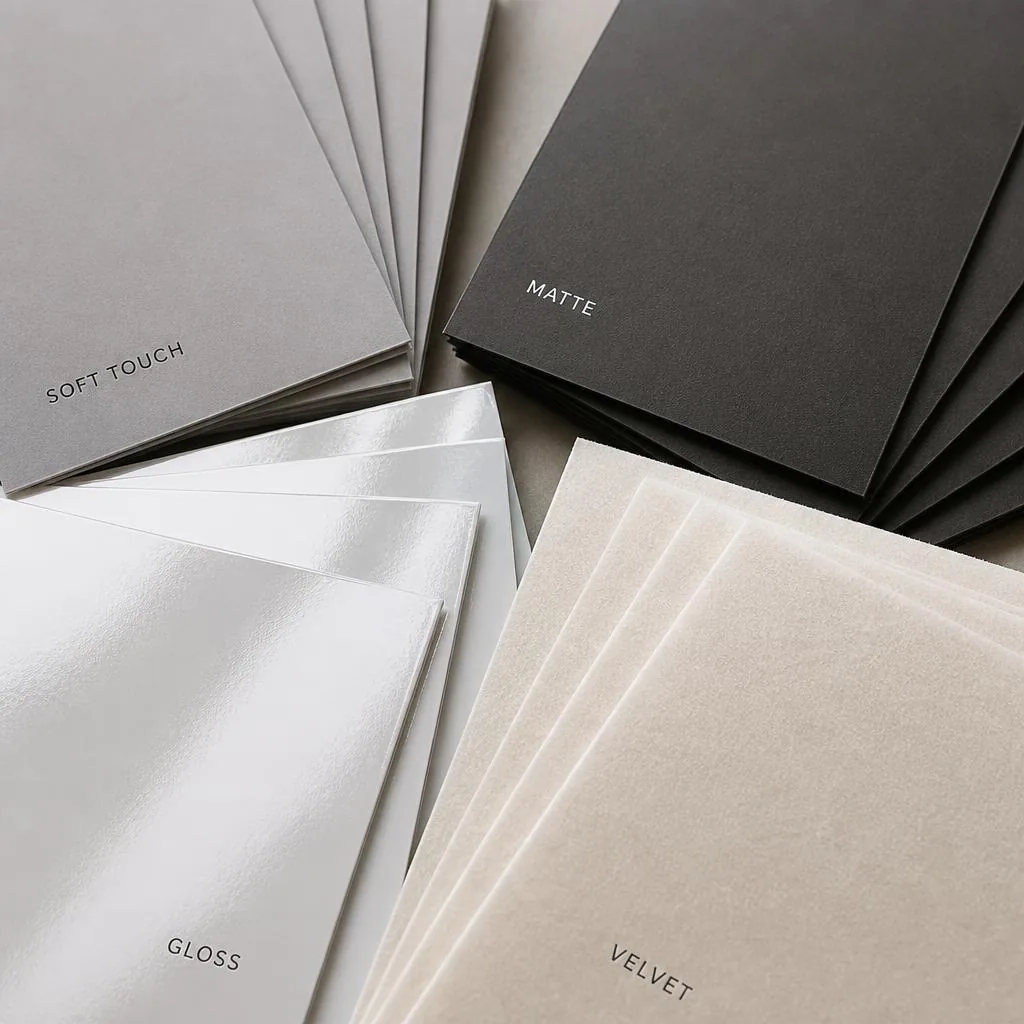
Lamination is a thin film applied over the whole box. It guards the print and sets the overall feel:
- Gloss — shiny and vivid. It makes colors pop. Great for food and bright, playful brands.
- Matte — flat and clean. Modern and quiet.
- Soft-touch — velvety to the hand. The go-to for a premium, luxury feel.
Lamination is usually the base. Accent finishes below go on top of it. It also adds toughness. It helps the box resist scuffs and fingerprints in shipping and handling.
The three laminations also wear in different ways once a box leaves your hands. Gloss is the most forgiving day to day. Its slick surface sheds fingerprints and light scuffs. So it tends to still look fresh after a trip through a warehouse.
Matte and soft-touch feel great. But they show the oils from handling more. A deep scratch is more visible against their even, low-sheen surface. None of this should steer you away from a matte or velvet box. It means that if your pack will be handled a lot at retail, a laminate of some kind is worth having. Darker solid colors will reveal marks faster than lighter or patterned art.
When in doubt, a soft-touch box with a simple accent is a safe pick. It feels premium and still holds up in the real world.
What is spot UV?
Spot UV is a glossy coating applied to set spots — a logo, a pattern, a word. Over a matte or soft-touch base, it makes a sharp contrast between shiny and flat that catches the light and the eye. It adds no color, just sheen. So it is a quiet, classy accent.
Best for: lifting a logo or detail on a matte box.
What is foil stamping?
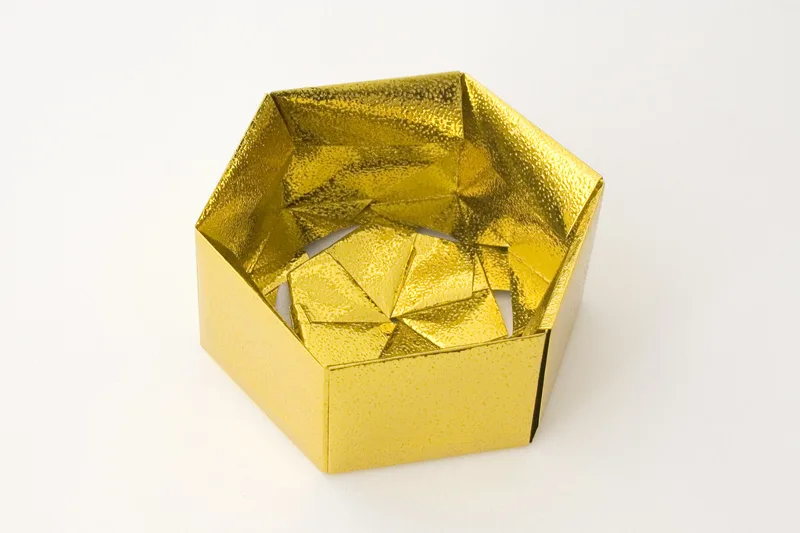
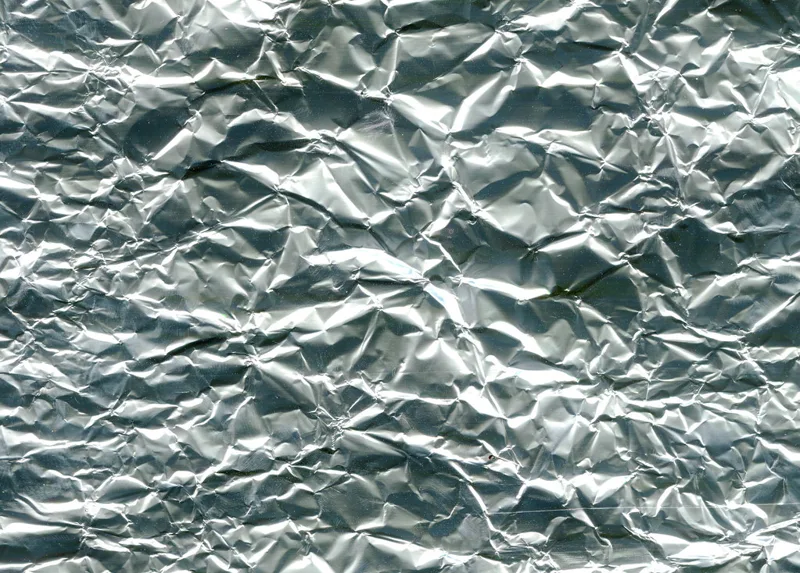
Foil stamping presses a thin metal film onto the box with heat — gold, silver, rose gold, copper, or holographic. It is the clearest signal of a premium product. That is why it is everywhere in beauty, spirits, and gifting.
Best for: luxury cues on premium rigid two-piece boxes, elegant custom perfume boxes, and custom printed cosmetic boxes.
A few practical notes help you plan for foil. Each foil color is applied as its own pass. So the cost is driven more by how much area you cover and how many separate colors you use than by the raw shape. A compact logo in a single gold is far cheaper than large foil panels across the whole box.
Foil also needs a little breathing room around fine detail. Hairline strokes and small type can fill in or crack under the heat and pressure. That is why bold, clean marks print best. If you love a metal look but want to keep the budget in check, a small foil crest on an otherwise plain box gives most of the premium signal at a fraction of the cost of full cover.
What are embossing and debossing?
Embossing raises an area of the box. Debossing presses it in. Both make a tactile, 3D effect — often on a logo — that buyers feel as much as see. Pair embossing with foil for a raised metal logo that reads as truly high-end.
Best for: a logo or monogram you want people to touch.
The choice between embossing and debossing comes down to the effect you want and the piece you are treating. A raised emboss catches light and feels bold and sure. That suits a hero logo on the lid of a gift or rigid box. A debossed press is quieter and more refined. It presses inward. So it plays well on textured or uncoated stocks like kraft, where the recess catches shadow rather than shine.
Both are “blind” when used alone — the same color as the board. That reads as subtle and tasteful. Adding foil into the same press — a treatment known as a foil emboss — combines the tactile lift with metal color for the most dressed-up effect of all. Because the result relies on shaping the board itself, keep the art bold. Give small details a little space so the press stays crisp.
What about windows and other effects?
A few more options round out the toolkit:
- Window patching — a clear panel that shows the product itself. See clear-panel custom window boxes.
- Edge or foil details — metal edges and accents for rigid and gift boxes.
- Specialty coatings — for example grease-safe coatings on food packaging.
Quick comparison
| Finish | Effect | Best for |
|---|---|---|
| Gloss lamination | Shiny, vivid color | Food, bright brands |
| Matte lamination | Flat, clean, modern | Minimalist brands |
| Soft-touch | Velvety, premium feel | Luxury & beauty |
| Spot UV | Glossy accent on matte | Logos & details |
| Foil stamping | Metallic shine | Premium & gifting |
| Embossing | Raised, tactile | Logos & monograms |
How do you choose finishes that fit your brand?
The goal is impact, not clutter. A few rules:
- Start with the base. Pick a lamination that matches your brand mood — soft-touch for premium, gloss for lively, matte for modern.
- Add one hero accent. Let a single foil or spot-UV detail carry the focus.
- Match the price point. The finish should feel in line with what is inside the box.
Not sure what will look best? Our free design team will mock up your box with finishes so you can see it before you print. Just describe it on your quote request.
How do you match finishes to your budget?
Finishes sit on a range of costs. Knowing where each one falls helps you spend where it counts. Lamination is the cheapest upgrade and often the biggest one. It changes the feel of the whole box for a small add to the unit price.
Spot UV is the next step up. It gives you a designer look on a matte base with no die for a stamped effect. Foil stamping, embossing, and debossing sit at the top. They need dedicated pressure and, for foil, the metal itself.
For a tight budget, the best move is often to pick one strong base lamination and add a single accent. Do not spread a little of everything across the box. A soft-touch matte with one spot-UV or foil logo reads as truly premium and costs far less than a box loaded with three or four fighting effects.
Order size matters too. There are no die or plate fees and no setup charges here. So the cost of a finish spreads more evenly as your run grows. Stepping up from the 100-box minimum to a larger order lowers the per-box cost of the finish instead of adding a fixed fee.
If you are not sure how far your budget stretches, tell us the look you want and the quantity you have in mind. We can quote a couple of options so you can compare the plain box against one or two finished versions before you commit.
How do finishes affect the material and stock?
Finishes do not act the same on every stock. Soft-touch and matte look their best on a smooth, bright board like SBS. Foil and embossing need enough caliper to take the pressure and heat clean. That is why heavier rigid and folding-carton stocks are common picks for premium effects.
Kraft gives a great natural base for a single foil hit. But its texture mutes glossy coatings. If you are weighing stocks, our SBS cardstock guide and paper weights and thickness article cover how the board you pick shifts how a finish lands.
How well do finishes hold up to daily handling?
It is easy to think of finishes as looks only. But several of them earn their place by guarding the box as well. A full laminate is the top defense against scuffing, moisture, and the fingerprints that build up as a pack is packed, shipped, and set on a shelf. That is why food and retail boxes are so often laminated even when the brand mood is quiet.
Coatings can be matched to the job too. A grease-safe coating keeps oily foods from staining a carton. A tougher laminate helps a box survive the friction of transit and warehouse handling.
The tactile finishes act a little differently. Embossing and debossing are lasting changes to the board. They hold up well and will not rub off. But a deep emboss can weaken a thin stock. That is one more reason heavier board is preferred for them.
Foil is bonded under heat and is tough in normal use. But large foil areas can show hairline cracks if a box is flexed again and again. So broad foil is best kept for rigid or sturdy folding cartons, not panels that bend. Match the finish to how the box will be stored, shipped, and opened.
That keeps it looking as good on arrival as it did in the mockup. Our design team will flag it if a chosen effect and stock are not a great pair.
How do you design artwork for finishes?
Premium finishes are added as separate layers in your art. So the file has to mark exactly where each effect goes. That means a dedicated spot-UV or foil layer, usually as a solid vector shape over the parts you want treated.
Thin lines and small text can lose sharpness in foil or embossing. So logos and bold marks make the best fits. If you only have a logo, our designers prep these finish layers for you on a free dieline. For the file basics, see our artwork and dieline guide and vector vs raster artwork.
Dig deeper: finish guides
For a full guide to any single finish, see our focused articles:
- Foil stamping – gold, silver, and holographic.
- Soft-touch & lamination – matte, gloss, and velvet.
- Embossing & debossing – tactile, raised texture.
- Spot UV – glossy accents that make a logo pop.
- Spot UV vs foil – which finish wins
Frequently asked questions about box finishes
What is the difference between spot UV and foil?
Spot UV is a clear, glossy coating that adds shine but no color. Foil is a metallic film (gold, silver, and more) that adds both shine and a metal color. Foil reads more premium; spot UV is subtler.
Which finish feels the most premium?
Soft-touch lamination, often paired with foil or embossing, gives the most luxurious hand-feel and is the common choice for high-end beauty and gifting.
Do finishes cost extra?
Yes – finishes like foil, spot UV, and embossing add to the price. We have no die or plate fees, though, and can help you get the look within budget. See our cost guide.
Can I combine finishes?
Yes. Common pairings include soft-touch plus spot UV, or foil plus embossing. We recommend keeping it to one or two so they stand out rather than compete.
Why is finish choice so important on a printed box?
Finish is what a buyer registers before they read a word – the sheen, the texture, the weight in the hand. A well-chosen finish signals price tier faster than any copy on the front panel, and lifts perceived value at the same product cost. Get it wrong and even a beautifully printed box can feel cheap; get it right and a simple design carries premium price points.
Finishes also protect the print from scuffing, moisture, and fingerprints in shipping.
How do I choose the right finish for my brand mood?
Match finish to voice. Gloss lamination for playful, food, and bright mass-retail where colors need to pop. Matte for modern, clean, minimal brands. Soft-touch for premium beauty, spirits, and luxury gift. Add one hero accent: foil for prestige and metallic drama, spot UV for tone-on-tone contrast on matte, emboss for tactile craft.
Restraint reads more premium than excess – one strong base plus one accent almost always beats a stack of four effects.
What are the benefits of adding finishes beyond the printed art?
Finishes signal quality by touch and light, not just color, so they lift perceived value at the same product cost. They also protect the print from scuffing, moisture, and fingerprints in real-world handling – especially important for retail packs that get grabbed and dropped in carts.
On social and unboxing content, tactile finishes photograph as luxe in ways flat print cannot. And at 100 boxes with no die or plate fees, even a small brand can layer in one hero finish affordably.
How much do premium finishes add to the cost of a custom box?
Lamination is the cheapest upgrade and the biggest impact per dollar – it changes the feel of the whole box for a small add to unit price. Spot UV is the next step up. Foil stamping, embossing, and debossing sit at the top because they need dedicated pressure and, for foil, the metal itself.
Cost is driven by coverage area and number of separate foil colors more than by design complexity. A small foil crest on an otherwise plain box gives most of the premium signal at a fraction of full-cover cost.
Which finish is best for a luxury or premium box?
Soft-touch matte lamination paired with one gold, silver, or rose-gold foil accent is the most-requested premium combo – velvety in the hand, metallic focal point, unmistakably high-end. Add a blind emboss or a foil emboss on the logo for the top tier.
For prestige rigid boxes, this build reads jewellery-counter luxe. Skip full-cover gloss and skip stacking three or more finishes – both cheapen the look.
Is it worth paying for finishes on a small first order?
Usually yes – because there are no die or plate fees at the 100-box minimum, finishes stay reachable even at low volumes. A soft-touch base with one foil logo on 100 units lifts perceived value enough to justify premium pricing on the product, often paying back on the first higher-price sale.
Skip finishes only when the box is a pure shipping utility (a plain outer mailer) or when the product needs zero premium signal.
Add premium finishes to your boxes
Related reading from OLX Packaging: tips for packaging that stands out on retail shelves.
Whatever finish you choose, we print it with no die or plate fees, free design support, a 100-box minimum, and an 8–10 day turnaround. Browse styles on our complete custom boxes catalog page, see how finishes affect price in our cost guide, drill into finishes for a specific category in our lip gloss box finishes guide, then request your free quote or contact our team.