Blog · By The Packaging Vista Team · June 20, 2026
Soft-Touch & Lamination: Matte, Gloss and Velvet Finishes
Lamination is a thin film on the whole box. It guards the print on your fully custom printed boxes. More key: it sets how the box feels in the hand.
Of every finish choice, lamination is the one buyers notice first. They touch it before they read anything. It is the base finish that other touches go on top of. So picking between gloss, matte, and soft-touch shapes the whole feel of your pack.
This piece goes deeper on box lamination than our main box finishes guide. It compares each velvet, matte, and gloss look so you can match the feel to your brand.
What lamination does
Lamination bonds a thin plastic or water-based film to the printed sheet before the box is cut and folded. It seals the ink, so colors do not scuff or fade as fast. It also adds stiffness and damp-resistance that bare board lacks.
Just as key, it changes the surface. The same art can look loud and shiny, or quiet and high-end, based on which film sits on top. That is why the lamination pick is a brand choice, not just a guard one.
Gloss lamination
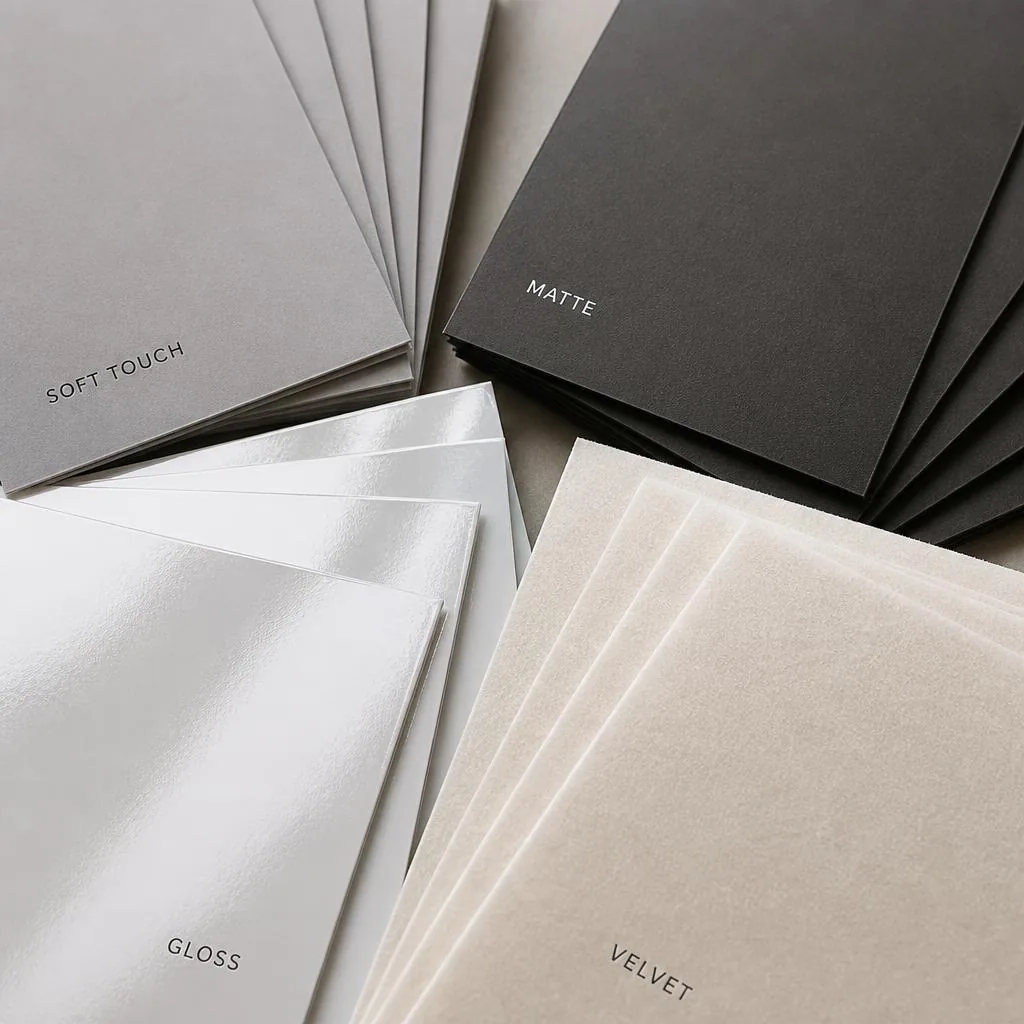
Gloss is shiny. It makes colors pop with a bright, playful look. It fits food, toys, value retail, and bright brands where you want the art to shout from the shelf.
Gloss is also the most scuff- and damp-safe of the three. That is nice for items that get handled a lot. The trade-off: it shows fingerprints and scratches more than matte. It can read as cheap on a luxury item where restraint is the point.
Matte lamination
Matte is flat and non-shiny. It reads clean, modern, and quiet. It is a top pick for minimal and high-end brands. It lets the design breathe and keeps colors soft and rich, not shiny.
Matte hides fingerprints better than gloss. Deep, rich colors can show scuffs as a faint sheen. Key point: matte is the best base for a spot UV touch. The gap between a flat matte field and a glossy raised logo is one of the strongest looks in packaging.
Soft-touch lamination
Soft-touch (or velvet) lamination is the high-end pick. It is a matte film with a velvety, suede-like feel. Buyers notice it the instant they pick up the box. That touch surprise is why it is all over luxury beauty, scent, and tech.
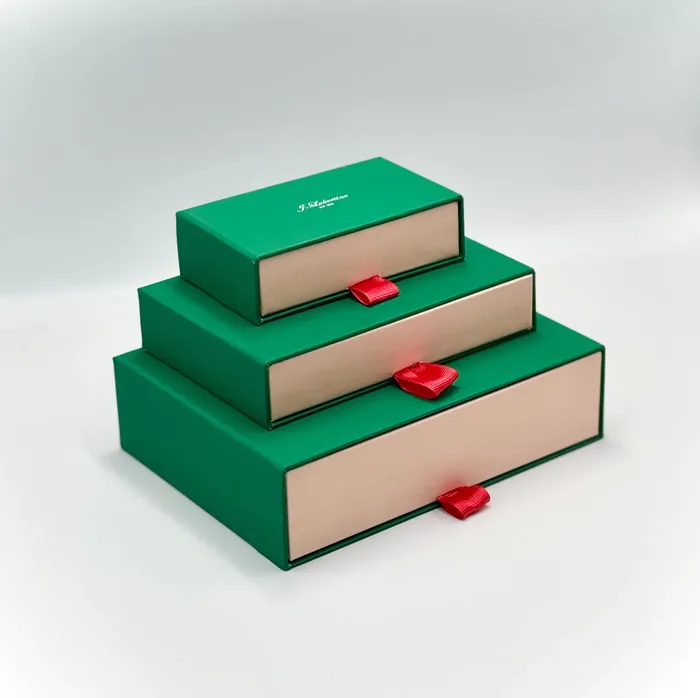
It has the same quiet, non-shiny look as matte, but lifts it through feel alone. You can see it on soft-touch cosmetic packaging boxes and premium luxury rigid boxes. The unboxing moment is part of the product.
Soft-touch costs a bit more than standard matte. Like matte, it can show marks on dark coverage. So it pairs well with a spot UV or foil touch on high-contact spots.
Gloss vs. matte vs. soft-touch at a glance
| Finish | Look & feel | Best for | Watch-outs |
|---|---|---|---|
| Gloss | Shiny, vivid, energetic | Food, toys, value retail, bright brands | Shows fingerprints; can read as cheap on luxury |
| Matte | Flat, clean, modern | Minimalist and premium brands; spot UV base | Dark colors can scuff to a faint sheen |
| Soft-touch | Velvety, suede-like, premium | Luxury beauty, fragrance, electronics | Costs more; protect high-contact dark areas |
Which should you choose?
Match the feel to the brand. Gloss for lively and bright. Matte for clean and modern. Soft-touch for high-end and touch-first.
Then add one touch – foil, spot UV, or embossing – on top of that base. Do not stack several. One good lamination plus one touch almost always looks more thought-out than a box piled with finishes. If you are not sure, order a sample so you can feel it. The gap between matte and soft-touch is hard to judge from a screen.
Quick decision cues by scenario:
- Kids’ toys or bright food: gloss, for the shelf pop.
- Minimalist skincare or wellness: matte, for a quiet, modern read.
- Luxury fragrance or beauty: soft-touch, for the surprise on pickup.
- Planned spot UV logo: matte base, for peak gloss-vs-flat contrast.
- Foil accent over a dark field: soft-touch, so the metal reads warm.
- Recyclable, single-stock claim: water-based aqueous coat instead of a plastic film.
- High-handling item (mailer, subscription): gloss, for the best scuff guard.
Lamination and sustainability
Standard laminate films are plastic. That can muddy curbside recycling. So eco brands sometimes skip heavy lamination for a water-based or soft-touch aqueous coat that keeps the box more recyclable.
If a recyclable, paper pack is part of your story, tell us up front. We will pick a coat that guards the print without hurting the claim. The look is a bit less bold than a full plastic laminate. But it keeps the box closer to a one-stock, recyclable product.
How lamination affects printing and color
Lamination shifts how your colors look in the final box. So it pays to plan for it before you approve art.
Gloss film deepens and enriches color, making it look richer and a bit darker. Matte and soft-touch films lighten and soften color. They cut back pop a bit and mute bright tones.
The same art can read very differently under each film. That is one more reason to order a sample on your chosen stock and lamination, not judge from a screen. Our free design help flags colors that may shift under a given finish. And we proof the job before the run, so the result matches what you want.
Lamination on different box types
Lamination is not just for high-end retail cartons. A gloss or matte film adds scuff-safety and a polished look to daily folding cartons and mailers.
Soft-touch is often saved for items where the unboxing is part of the moment – beauty, scent, tech, and gift packs. On rigid setup boxes, the printed wrap is laminated before it goes on the board. So you get the same gloss, matte, or soft-touch options on a much sturdier box. Tell us the box style and the feel you want. We will pick a film that fits the shape and the budget.
Frequently asked questions
What is the difference between matte and soft-touch?
Both look flat and non-shiny. But soft-touch adds a velvety, suede-like feel you can touch. Matte is a look finish. Soft-touch is a feel one, and it costs a bit more.
Does lamination make a box more durable?
Yes. Any lamination seals the ink and adds scuff and damp guard. Gloss is the most guarded. Soft-touch and matte also help. Deep dark coverage can show marks over time.
Can I add foil or spot UV over lamination?
Yes, and it is common. Matte and soft-touch are the best bases for a glossy spot UV or metal foil touch. The gap against the flat film makes the touch stand out.
How does lamination affect the printed colors on my box?
It shifts them noticeably. Gloss film deepens and enriches color, making it look richer and a touch darker. Matte and soft-touch lighten and soften color, cutting back pop and muting bright tones. The same file can look very different under each film, which is why we proof the job on your chosen stock and lamination before running – a screen preview won’t predict the shift.
What are the benefits of adding lamination over an unlaminated box?
Four main benefits: it seals the ink so print doesn’t scuff or fade in transit and handling, it adds stiffness and moisture resistance the bare board lacks, it gives you a controlled surface finish (bright gloss, quiet matte, or velvety soft-touch), and it becomes the ideal base for a foil or spot UV accent. On a mailer or shelf carton that gets handled a lot, that protection alone pays back.
How much does soft-touch lamination cost compared to matte or gloss?
Soft-touch (or velvet) film runs modestly more than standard matte or gloss – the film itself costs more and the run is slightly slower. Actual uplift depends on box size, quantity, and whether you’re also adding foil or spot UV over it. At Packaging Vista there are no die, plate, or setup fees on a 100-unit minimum, so the finish upgrade is the only added cost.
Which lamination is best for a luxury beauty or fragrance box?
Soft-touch, paired with a single foil or spot UV accent. The velvety feel registers the instant the buyer picks up the box, which is exactly the touch surprise luxury beauty and fragrance brands are buying. Pair it with a foil-stamped logo or spot UV over a debossed detail on high-contact areas, and skip a heavy full-coverage design that would show marks over time.
Add a lamination finish
For more examples, browse these soft-touch candle boxes from OLX Packaging.
Tell us the feel you want – bright gloss, clean matte, or high-end soft-touch – and we will proof it before printing. We charge no die or plate fees. Free design help. 100-box minimum. See the full finishes guide, then request your free quote or contact our team.