Blog · By The Packaging Vista Team · June 20, 2026
Foil Stamping for Packaging: Gold, Silver and Holographic
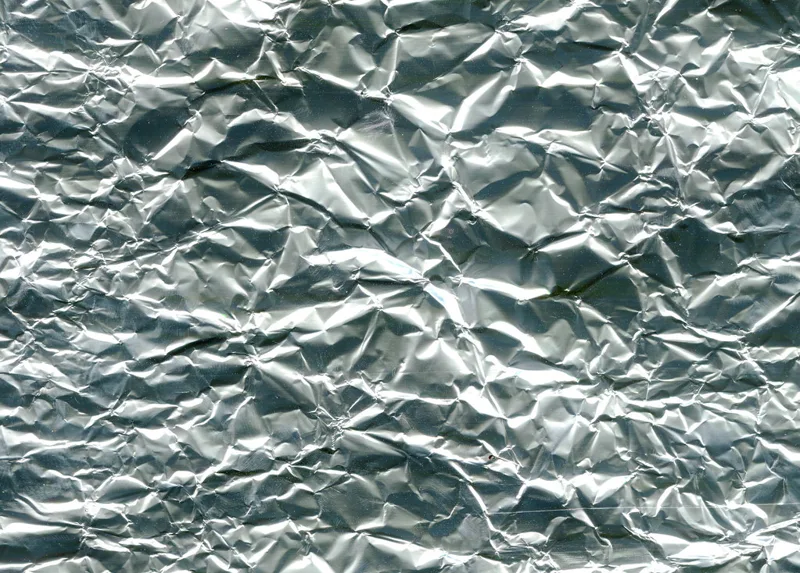
Foil stamping presses a thin metal film onto the box with a heated die, leaving a bright, shiny mark. It is the single clearest signal of a premium product. That is why hot foil stamping is everywhere in beauty, spirits, and gifting — from gold foil packaging to holographic foil accents.
This guide to the foil box and the metallic finish goes deeper on foil than our main box finishes guide.
| Foil family | Look | Best fit |
|---|---|---|
| Metallic gold / silver | Bright reflective shine | Prestige beauty, luxury gifts |
| Matte foil | Softer, brushed metal | Modern minimal or apothecary looks |
| Holographic | Rainbow diffraction | Youth beauty, candy, cannabis |
| Pigmented foil | Solid color, high opacity | On-brand exact-color logos |
| Clear iridescent | Subtle sheen, no color | Layered over dark ink for depth |
How does foil stamping work?
In hot foil stamping, a metal die is heated and pressed through a foil ribbon onto the box. That bonds the foil to the surface exactly where the die shape is. There is no ink — the color comes from the foil itself. So it stays crisp and metal.
Heat and pressure move the film. So the edges are sharp and the shine is even across the whole stamped area. Printed metal ink can never match that.
What foil colors and types are there?
- Metallic foils — gold, silver, rose gold, and copper for classic luxury.
- Holographic foils — rainbow shimmer for a bold, modern look.
- Pigment (matte) foils — solid non-metal colors, including white, for clean contrast.
Gold and silver stay the workhorses. They read as premium on almost any color of box. Holographic foil draws the eye and suits playful or youth-focused brands. Pigment foils are handy when you want the crispness of foil without the shine. A solid white foil on a dark box, for one, can look sharper than printed white.
Foil vs. metallic ink: what's the difference?
It is tempting to print a gold with metal ink. But the two are not the same. Foil is a real reflective film. So it bounces light and shifts as the box turns.
Metal ink is a flat printed match that looks dull next to real foil. If the goal is real shine, foil stamping is the only way to get it. Where you need a large metal area at lower cost, metal ink can still play a support role. But the hero mark should be foil.
When should you use foil?
Foil is best on a logo, a brand name, or a single detail. Not large areas. It shines on rigid and premium boxes. See rigid setup boxes for premium products, perfume boxes with foil accents, and beauty boxes that signal quality.
A small, well-placed foil mark reads as costly. Foil flooded across a whole panel can look gaudy and shows fingerprints. Restraint is the rule. Pick the one part that deserves to shine and let the rest of the design back it. For where foil fits the broader premium look, see our luxury packaging guide.
Which products fit foil best?
- Lip gloss boxes with metallic foil, lipstick boxes with a premium shine, and other beauty cartons where shine signals quality.
- Gift boxes for premium presents and jewelry boxes that feel like gifts where the box is part of the gift.
- Candle boxes for premium scents and cream packaging in the premium tier.
How does foil pair with embossing?
Combine foil with embossing for a raised metal logo. That is the highest-end effect there is. Foil over a soft-touch base is another premium pair. The matte velvety surface makes the metal mark pop even more.
If you are weighing foil against another premium finish, our spot UV vs. foil compare shows where each one wins.
How does foil act on different box types?
Foil acts differently based on the surface it lands on. On the wrapped board of a rigid box used for luxury packaging, foil sits flat and bright. That is why luxury and gift packaging leans on it so heavily.
On a printed folding carton, foil works best against a dark or rich background where the metal mark has contrast to play against. On kraft and uncoated stocks, foil gives a striking craft-meets-luxury look that printed metal ink cannot touch. The box style sets the tone. Foil boosts the mood you have chosen rather than fighting it.
How do you keep foil from looking cheap?
Foil signals premium only when it is used with restraint. A few habits keep it looking costly:
- Limit foil to one or two parts.
- Give it room rather than crowding it with other effects.
- Avoid flooding large panels where fingerprints show.
- Pair it with a quality base finish such as a matte laminate.
When every part fights for shine, the eye stops seeing any of it as special. The most luxurious boxes often use one small foil mark against a calm, well-printed back. The contrast is what reads as quality. Our minimalist packaging design guide expands on this less-is-more path.
How do you design artwork for foil?
Foil handles vector shapes clean. But it struggles with fine lines, small serif text, and tight gradients. That is because the die has to move a full film of foil.
Keep stamped parts bold and well-spaced. Supply art as vector where you can. Call out exactly which parts get foil on a separate layer. Our vector vs. raster artwork guide covers why vector matters here. We proof every foil job before the run so you see the placement first.
Frequently asked questions
What is foil stamping?
Foil stamping is a finishing process that presses a thin metallic film onto the box with a heated die. There is no ink – the color comes from the foil itself – so the mark stays crisp, reflective, and metallic.
What foil colors can I get?
Common options are metallic gold, silver, rose gold, and copper; holographic foils with a rainbow shimmer; and pigment (matte) foils in solid colors including white. Gold and silver are the most popular for a classic premium look.
Can foil be combined with embossing?
Yes. Combining foil with an emboss creates a raised metallic logo, the highest-end effect available. Foil also pairs beautifully over a soft-touch laminate, where the matte surface makes the shine stand out.
Are there extra fees for foil stamping?
No. We charge no die or plate fees, including for the foil die, and produce from a low minimum of 100 boxes with an 8–10 day turnaround and a proof before printing.
Why is foil stamping so effective at signaling premium?
Because it delivers a true reflective metallic shine that printed metallic ink cannot match – foil is a physical film pressed onto the board with heat, not an ink layer. That reflectivity catches light from every angle, so a foiled logo pulls the eye across a shelf.
On soft-touch or matte backgrounds, the contrast between velvet base and metal foil is what buyers read as "expensive." Metallic ink always looks slightly muddy next to real foil.
How do I choose the right foil color for my brand?
Match foil color to brand temperature and category. Gold suits warm, classic, luxe brands (jewelry, spirits, cosmetics). Silver and chrome suit clean, clinical, modern brands (tech, skincare). Rose gold suits contemporary beauty and gifting. Copper suits warm-artisan (coffee, chocolate).
Holographic suits playful, trend-driven beauty. Black or pigment foils give a tone-on-tone premium mark. Test the foil against your base stock and lamination on the mockup – foil reads differently on kraft vs SBS vs soft-touch.
What are the benefits of foil stamping vs metallic ink or spot UV?
Foil gives true reflective shine that ink cannot; metallic ink is affordable but always slightly dull. Spot UV gives glossy contrast against a matte background but no metallic look – it is clear gloss, not metal. For a metal shine, foil wins every time. For subtle tone-on-tone shine on a matte print, spot UV is cheaper. Many brands use both: foil on the logo, spot UV on a pattern or border.
How much does foil stamping add to a box order?
Pricing is quote-based, but foil area is the biggest driver – a small logo mark adds far less than a foil border or foil-filled pattern. Since we do not charge foil die fees, tooling is not a barrier at 100 units. The per-unit foil cost drops meaningfully at 500 and 1,000 units.
Rough guide: a small foil logo on a 100-box run adds a small percentage; a heavy foil coverage doubles or more on the finish cost.
Is foil stamping worth it at a 100-box minimum?
Yes when the box is part of a premium buying moment – luxury cosmetics, gift boxes, PR mailers, launch editions. Because we charge no foil die fees, a small foil logo at 100 units is affordable enough to test on a first run. Skip it for pure back-office fulfillment packaging or high-turnover value-tier SKUs where cost per unit matters more than shelf presence.
For everything in between, one restrained foil mark often lifts perceived value more than any other single upgrade.
Related reading from OLX Packaging: guide to packaging finishes and printing options.
Tell us your artwork and where you want the shine, and we will proof it with foil on your custom printed boxes for your brand before printing – no die or plate fees, from a 100-box minimum. See the full finishes guide, then request your free quote or contact our team.