Blog · By The Packaging Vista Team · June 20, 2026
Sustainable Retail Packaging: Eco-Friendly Options That Sell

Sustainable retail packaging is printed retail boxes and mailers made from recyclable, compostable, or plastic-free stock that signal a brand’s eco values on shelf. Green packaging is now a deal-breaker for many buyers, and the box is the clearest way to show your brand walks the talk.
Eco-friendly packs, recyclable mailers, and plastic-free shipping packaging all signal values shoppers care about, and they also cut cost. This guide goes deeper on green picks than the short section in our main retail packaging guide, with a focus on stocks that sell.
Why does sustainability sell at retail?
Shoppers notice packaging waste. Many pick a brand that cuts it. A box that shows up too big, double-wrapped in plastic, and stuffed with foam says you do not care. Clean, paper-based packing says you do.
Recyclable sustainable retail packaging boxes and a right-sized box win on both fronts – and the win compounds on e-commerce packaging, where every extra inch of carton triggers dim-weight charges. You buy less stock, ship less weight, and give the customer less to throw out. Green is one of the few upgrades that lifts your margin and your brand story at once.
What eco-friendly retail materials are there?
The stock is the base of any green box. The best-known and most recyclable picks are:
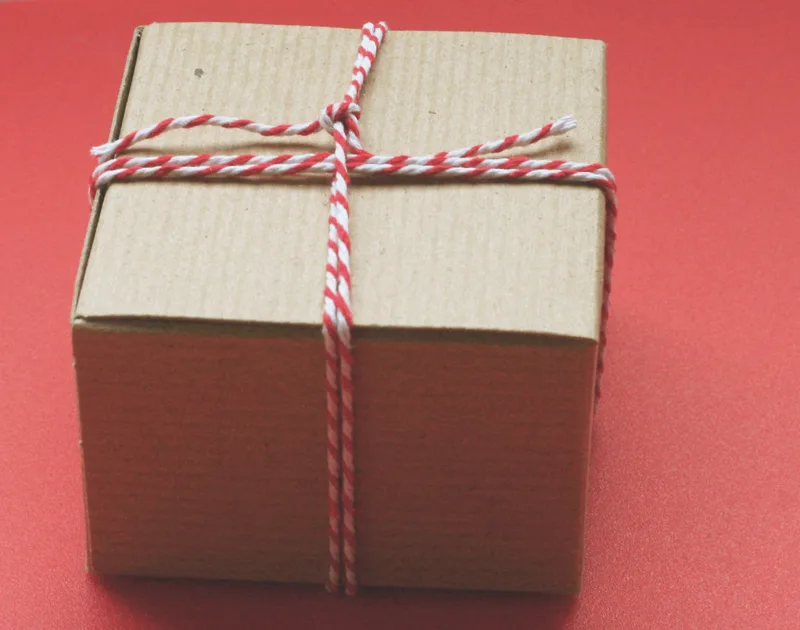
- Recyclable kraft and paperboard – a clean, plain look. Most curbside pickups take it. See our recyclable kraft boxes and cartons.
- Corrugated mailers – plastic-free and easy to recycle. Great for shipping. See recyclable corrugated mailer boxes.
- Soy and water-based inks – low-impact print. Keeps the recycling stream clean.
- Right-sized boxes – the biggest, simplest way to cut waste.
You can find all of these in our full eco-friendly boxes line. We help you pick the one that fits your product and price point. To learn the raw stocks behind each, see our packaging materials guide.
How do you go plastic-free where you can?
Swapping plastic mailers and plastic void fill for paper-based picks is one of the biggest eco upgrades a brand can make. It also lifts the unboxing story instead of hurting it.
Trade poly bubble mailers for corrugated mailer boxes or paper mailers. Use crumpled kraft or molded pulp in place of foam. Pick paper tape over plastic. Each swap is small on its own. Together they let a shopper recycle the whole pack in one bin. That is the kind of unboxing that earns repeat orders and word of mouth.
Right-sizing: is it the easiest green win?
Before you change any stock, change the box size. A too-big box wastes board, needs more void fill, and pumps up the parcel’s dim weight. Carriers charge you for that on every shipment.
A box sized snug to the product cuts stock, cuts filler, and lowers shipping cost. It also looks more thought-out on the doorstep. This is the rare change that is both greener and cheaper. We start every green talk here.
How do common eco options compare?
| Option | Recyclability | Best for |
|---|---|---|
| Kraft paperboard cartons | Widely recyclable | Retail unit boxes, sleeves |
| Corrugated mailers | Highly recyclable | E-commerce shipping |
| Molded pulp inserts | Recyclable / compostable | Protecting fragile items |
| Paper void fill | Recyclable | Filling empty space |
| Plastic mailers / foam | Rarely recycled | Avoid where possible |
For a deeper look at guard picks, see our notes on molded pulp packaging and foam vs. paperboard inserts.
How do you make honest green claims?
Green claims only sell when shoppers trust them. Skip vague “eco” or “green” words. Be clear about what is recyclable.
Do not mix up recyclable, compostable, and biodegradable. They mean three things and need three kinds of proof. Mixing them up reads as greenwashing. If a box has a plastic window or a coat that can not be recycled, say so. Our recyclable vs. compostable guide and our sustainable packaging guide show how to claim each so buyers trust the label.
How do you design a box that looks green and premium?
Eco does not have to mean drab. A plain kraft face, a one- or two-color print, soy-ink line art, and a clean text-based logo read as both green and top-tier. This is the look many modern retail brands want.
You can still add a touch-based finish or a window where it truly helps the product. The goal is restraint, not stripping the design to nothing. Our minimalist packaging design notes pair well with a green stock.
How do you match the eco choice to your product?
Green is not one-size-fits-all. The best stock depends on what you sell and how it ships.
A skincare or cosmetic brand can pair a paperboard unit carton with a corrugated mailer. A soap or candle maker can lean on uncoated kraft and paper wraps. Heavy or breakable items do better with molded pulp inserts than foam. Clothes or dry goods often need nothing more than a paper mailer and paper tape.
Start from the product. Pick the lightest recyclable box that shields it. You usually land on the greenest and cheapest pick at once. Our packaging by industry notes show what similar brands use.
Frequently asked questions
Is sustainable retail packaging more expensive?
Often it is the same or cheaper. Right-sizing and switching to recyclable paper cut both stock and shipping cost. The green choice and the cheap choice are often the same box.
What is the most recyclable retail packaging material?
Kraft, paperboard, and corrugated all go in curbside bins. They are the safest picks for a brand that wants buyers to recycle the whole pack.
Can I get a fully plastic-free shipment?
Yes. Pair a corrugated mailer with paper tape and paper or molded-pulp void fill. Then the buyer can recycle the lot in one bin, with no plastic to sort out.
Do you offer eco materials at a low minimum?
Yes. We are a US-based supplier with no die or plate fees. The order minimum is 100 boxes. You can test a recyclable pick without a huge run.
How do I choose the right sustainable retail packaging for my product?
Start with three questions. Does the product need to be seen at retail? (If no, kraft or paperboard wins on cost and recyclability.) Is it fragile or heavy? (Pair paperboard with a corrugated shipper or molded-pulp insert.) What’s your brand story? (Uncoated kraft signals natural and indie; recycled paperboard suits mainstream retail; FSC white board suits vivid brand color.) Then swap plastic parts – molded trays for paperboard inserts, shrink wrap for sticker seals – where possible.
What are the benefits of switching to sustainable retail packaging?
Four stacked benefits: it wins the eco-aware shopper who actively reads packaging as part of the product, it’s often the same or cheaper (right-sizing and single-material paper cut both stock and shipping), it lets you make honest recyclable and FSC claims that plastic packs can’t, and it futureproofs against the state single-use-plastic bans that are moving one direction.
At a 100-unit minimum with no tooling fees, the switch is low-risk to test.
Which sustainable retail packaging option is best for a small startup?
An uncoated kraft folding carton or a printed corrugated mailer with paper void fill. Both recycle in every US curbside stream, both photograph well for the unboxing content startups rely on, both cost the same or less than plastic-coated equivalents, and both work with a one-color logo that keeps first-run print cost down.
Add a paperboard insert instead of foam and you’ve got a fully single-material recyclable pack.
Is sustainable retail packaging worth it if my competitors still use plastic?
Yes – especially then. The gap between your recyclable paper pack and a competitor’s plastic clamshell is exactly what an eco-aware buyer notices on the shelf. It’s a clear point of difference at no cost premium in most categories, and it wins the exact buyer who actively reads packs as part of the product. Vague eco claims lose trust; honest recyclable, FSC, or plastic-free claims earn it.
For more on this topic, see how sustainable packaging improves brand image from OLX Packaging.
Ready to make your retail packs greener without losing shelf appeal? Tell us your product and how it sells. We will match a recyclable pick to it with a free dieline and a sample before you commit. Start with our full retail packaging guide, then request your free quote or contact our team.