Blog · By The Packaging Vista Team · June 20, 2026
Plastic-Free Packaging: Paper Alternatives That Work
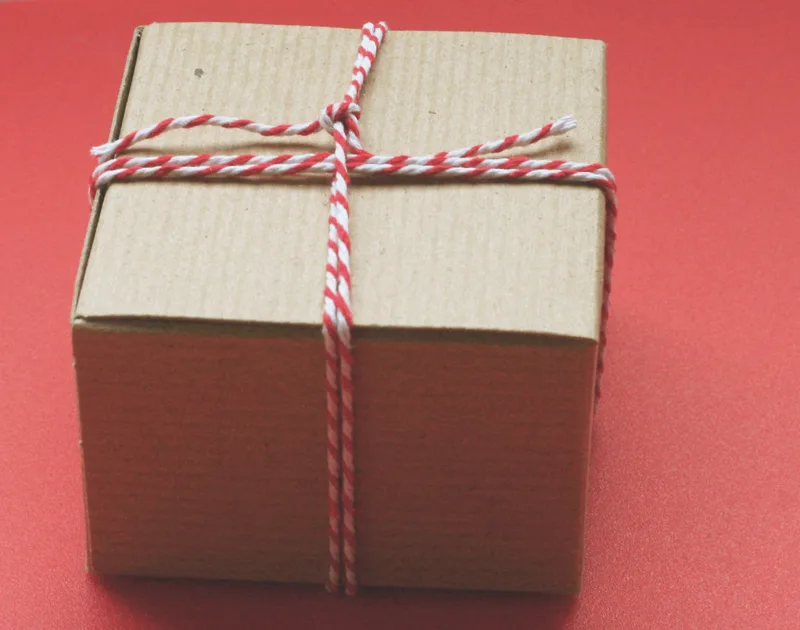
Cutting plastic is one of the most visible eco upgrades a brand can make. Buyers see it right away.
Going plastic-free is the kind of change shoppers spot the moment they open a parcel. That is why a solid plastic-free program builds goodwill faster than most other eco moves.
This guide goes deeper on plastic swaps, paper void fill, and the paper mailer than our main sustainable packaging guide. It is also honest about where plastic is hard to replace.
Why plastic-free resonates with shoppers
Plastic waste is the packaging problem shoppers see first. Swap it for paper and you earn quick goodwill. It is often the one change buyers notice and share.
A recycled-content claim lives in fine print. A paper mailer or kraft void fill is plain the moment the box opens. That makes eco packaging design a marketing asset, not just a check-box – and it is exactly the reason plastic-free e-commerce packaging pulls in reviews and social posts a plain sustainable claim never will. It gives buyers something to photograph, share, and recall.
Paper alternatives that work
- Corrugated mailers instead of poly mailers – recyclable and protective; see recyclable corrugated mailer boxes and plastic-free corrugated shipping boxes.
- Paper void fill and tissue instead of bubble wrap and plastic fill; see recyclable kraft paper void fill.
- Paper tape and labels instead of plastic tape.
- No-window or compostable-window cartons instead of plastic window patches.
| Plastic item | Paper swap | Curbside recyclable? |
|---|---|---|
| Poly mailer | Corrugated mailer box | Yes |
| Bubble wrap | Honeycomb kraft wrap | Yes |
| Air pillows | Crumpled kraft void fill | Yes |
| Foam peanuts | Molded-fiber tray | Yes |
| Plastic tape | Kraft paper tape | Yes |
| PVC window patch | Die-cut opening or PLA film | Yes (opening) / Compost (PLA) |
| Plastic clamshell | Paperboard tuck carton + insert | Yes |
Swapping plastic mailers for paper
The poly mailer is the most common plastic contact point in e-commerce. It is also one of the easiest to swap. A printed corrugated or paperboard mailer ships your item in a fully recyclable form. It also guards against crushing better and gives you far more space to print.
For light, non-fragile items, a padded paper mailer or a slim folding-carton mailer keeps weight low. It stays curbside-recyclable too. We charge no die or plate fees and start at 100 boxes. So you can switch a single SKU to a paper mailer and test it before you roll out.
Paper void fill instead of plastic cushioning
Void fill is where a lot of hidden plastic lives. Think bubble wrap, air pillows, and foam peanuts. Crumpled or die-cut kraft paper, honeycomb wrap, and molded-fiber trays cushion just as well. They also recycle in the same bin as the box.
The trick is to right-size first, so there is less void to fill. A box built to the product needs only a thin paper layer to hold things in place. That cuts material cost and the plastic you used to fill empty space.
Where plastic is hard to replace
Be real: some products need a moisture or grease barrier paper cannot give. Some need a window or seal. The goal is to cut plastic where safe, not to risk the product – and to be honest about what stays.
Liquids, oily beauty items, and high-moisture foods sometimes need a film liner or sealed pouch that paper cannot yet match at scale. In those cases, cut plastic to the smallest useful part – a thin barrier, not a full plastic clamshell. Then pair it with a recyclable paper outer carton so the visible box is still plastic-free.
Honest claims beat green marketing
Plastic-free claims only build trust if they are true. If your carton is paper but the tube inside is still plastic, say so plainly. Do not label the whole pack “plastic free.”
Small, exact claims hold up far better than sweeping ones. Try “recyclable paperboard carton, no plastic window.” For the split between recyclable, compostable, and biodegradable, see our recyclable vs. compostable guide. Lean on paper stocks like recyclable eco-friendly paper boxes when you want a safe default.
Right-size while you are at it
Cutting plastic pairs well with right-sizing the box. Both cut material and shipping waste. See how to measure, plus our recyclable vs. compostable guide for picking stock.
A snug box uses less paper void fill. It also lowers the odds of paying dimensional weight on a bulky parcel. The eco win and the cost win line up.
Choosing the right paper stock
Plastic-free does not mean plain. Kraft gives a natural, unbleached look that reads eco at a glance. Coated white paperboard prints brighter color for brands that want a clean retail look. Both stocks recycle.
Want a deeper look at stocks and how they affect print, finish, and recycling? Our packaging materials guide walks through the options. We offer free design help and a free dieline, so you can see how your art looks on a paper-only build before you commit.
Frequently asked questions
Can paper packaging protect fragile items without plastic?
Often, yes. A right-sized corrugated box with molded-fiber trays or die-cut paper inserts cushions most items well. For truly fragile goods, ship a small test batch first – our 100-box minimum makes that easy.
Is a plastic-free mailer more expensive than a poly mailer?
Paper mailers can cost a bit more per unit than the thinnest poly bags. But they add branding space and better protection. Pricing is quote-based with no die or plate fees. Right-sizing often makes up the gap.
What about products that need a moisture barrier?
Cut plastic to the smallest useful layer, not the barrier itself. A thin film inside a paper carton keeps the visible pack plastic-free and still guards the product.
Can you print on recycled or kraft stocks?
Yes. We print on kraft and paperboard with offset and digital, plus free design help. That helps your colors read well on a natural stock.
What is plastic-free packaging?
Plastic-free packaging swaps every plastic contact point – poly mailer, bubble wrap, plastic tape, window patch – for paper, molded fiber, or other curbside-recyclable materials. Some brands allow a thin barrier film inside a paper outer when the product needs one; a purist plastic-free pack removes even that. The goal is a parcel that opens without any plastic on view.
What are the benefits of switching to paper-based packaging?
Paper mailers, kraft void fill, and paper tape all recycle in the same curbside bin, so unboxing feels cleaner and buyers notice immediately. Paper also gives you far more printable branding space than a poly bag, protects better against crushing, and pairs naturally with our free dieline and 100-box MOQ so you can pilot one SKU before rolling out.
How do I choose between kraft and coated white paperboard?
Pick kraft when you want an unbleached, natural look that reads eco at a glance – great for beauty, food, and CBD. Choose coated white paperboard when brand color accuracy matters and you want a clean retail shelf presence. Both stocks recycle. We print CMYK plus Pantone on either, and free 3D mockups let you compare before committing.
Is plastic-free packaging worth it for a small brand?
Yes, especially at low volumes. Our 100-box MOQ and no die or plate fees mean the switch costs little to test. Shoppers reliably reward the change with photos, reviews, and repeat orders, and right-sizing the paper build often recovers the small per-unit premium through lower dimensional weight on shipments.
For more on this topic, see how to reduce packaging waste from OLX Packaging.
Ready to cut the plastic? Tell us where you want to swap it. We will pick paper options and build a free dieline. Start with our sustainable packaging guide, then request your free quote or contact our team.
Part of our custom printed papers guide — the pillar reference for every custom printed papers topic on this blog.