Blog · By The Packaging Vista Team · June 20, 2026
Recyclable vs. Compostable vs. Biodegradable Packaging
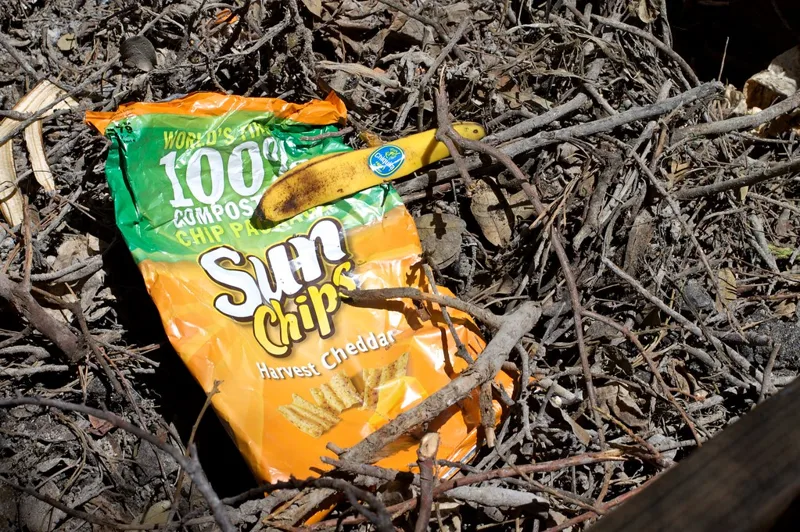
Recyclable, compostable, and biodegradable are not the same thing. Using them as swaps is the fast way to lose buyer trust.
The recyclable vs. compostable line trips up many brands. The compostable vs. biodegradable line is even less clear.
This post digs deeper on these green terms than our main sustainable packaging guide. It helps you pick the right stock, shape your packaging design around a real end-of-life path, and make claims you can back up.
Quick definitions
| Term | What it means |
|---|---|
| Recyclable | Can be picked up and made into new stuff. Most paperboard, kraft, and corrugated fit. |
| Compostable | Breaks down into safe matter in compost. Often needs an industrial site, not a home bin. Usually needs a cert. |
| Biodegradable | Breaks down over time. No fixed clock. The vaguest term. Use with care, or skip it. |
Recyclable: the safe default
For most brands, recyclable paper is the clearest, most trusted pick. It fits in curbside bins. It is easy to claim well. See recyclable eco-friendly paperboard boxes and natural recyclable kraft boxes.
Paperboard, kraft, and corrugated already flow through city bins. You are not asking buyers to find a special site. You are not asking them to change habits.
That makes recyclable the low-risk claim. It is true at the curb. Buyers can act on it. It holds up when checked.
Compostable: powerful but conditional
Compostable packs shine when food dirties the box. When food gets on the box, you cannot recycle it. Compost is the fix.
The catch: many compostable stocks need an industrial compost site. Most buyers do not have one near them.
If you claim compostable, say which kind. "Home compostable" breaks down in a back-yard bin. "Industrially compostable" needs the high heat of a plant.
Just "compostable" can mislead a buyer who has no plant nearby. The more clear you are, the better the claim holds up.
Biodegradable: handle with care
"Biodegradable" has no set clock or standard. Watchdogs and buyers doubt it. Skip it as a lone claim unless you can back it up.
Almost all things break down in the end. That is why the word means so little on its own. It hints at a green win but names no proof.
If you do use it, add the detail. What does it break down into? Under what setting? Over how long? Show the proof.
What happens at end of life
Think about where each stock will end up in real life.
Recyclable paper goes in a curbside bin. It gets made into new paper. Most buyers do this all the time.
Compostable stock only wins if it reaches the right compost stream. In a landfill it acts much like the rest of the trash.
Biodegradable items lean on set conditions that rarely get named.
Design for the path your buyer will use. That is curbside for paper packs. You get the real green win and a claim you can stand by.
Don’t forget recycled content vs. recyclability
These two ideas get mixed up all the time. Keep them clear and your story gets stronger.
"Recyclable" talks about what happens to the box after use. Can it get made into new stuff?
"Recycled content" talks about what the box is made from. How much came from prior recycled matter?
A box can be one, the other, or both. Say which is which. That beats a vague "eco-friendly" tag.
Does your stock hold recycled fiber and also fit the curbside bin? Then you have a strong, plain story to tell.
How to claim it honestly
Be plain. "Made from recycled paperboard" beats "eco-friendly." Qualify the claim: "recyclable where sites exist." Only say what you can back up.
- Say the material — "recycled kraft paperboard" beats "eco-friendly."
- Qualify the reach — "recyclable where facilities exist" is safer than a blanket claim.
- Name the compost stream — distinguish home compostable from industrially compostable.
- Skip vague words — avoid "green," "natural," or "earth-friendly" on their own.
- Cite a cert if you have one — BPI, FSC, or SFI carry weight; unbadged claims do not.
- Match the claim to the pack — a plastic-window carton is not fully recyclable in most streams.
See our plastic-free packaging guide for cutting plastic in a trusted way.
This post is general info, not legal advice. Check the FTC Green Guides and cert rules before you print claims.
Why paper packaging makes the claims simpler
Paper packs skip most of the mess above. That is why green brands love them.
Paperboard, kraft, and corrugated fit the bins buyers use. The recyclable claim is both true and easy to act on. You do not need a special site.
Many paper stocks come with recycled content. That lets you tell a clear "made from recycled fiber and recyclable again" story.
Paper skips the mixed-stock trap. A plastic window fused to a carton can make the whole box hard to recycle. An all-paper build keeps the end path clean.
Want the strongest safe claim with the least risk of greenwashing? An all-paper, curbside-fit build is often the fix. Our plastic-free packaging guide shows how to get there.
Putting it into practice
Design for the end path your buyer can reach. Then say what happens in plain words.
For most brands, that means a recyclable paper carton. Add a plain recycled-content note if it fits. Save "compostable" for cases where you can name the type. Your buyers must reach the right site.
Skip "biodegradable" unless you can prove it.
We can suggest recyclable stocks. Try recyclable eco-friendly box stocks or kraft boxes made from recycled fiber. We build them on a free dieline. Your green message and the box will line up.
Frequently asked questions
Is recyclable or compostable better?
Neither wins in all cases. It depends on the product. For most clean paper packs, recyclable is the top pick. It is trusted and easy to reach. Compostable fits when food waste blocks recycling.
Can I just call my packaging biodegradable?
Risky. The term has no set clock or standard. If you use it, back it with facts about the setting and time frame.
Does compostable mean I can put it in my home compost?
Not always. Many compostable stocks need a plant. Say if your pack is home compostable or industrially compostable.
What is the safest sustainable claim to print?
A plain, true line about a recyclable paper stock is best. "Recyclable paperboard" holds up well. It is true at the curb. Buyers can act on it.
What is the difference between recyclable, compostable, and biodegradable?
Recyclable means the material can be collected curbside and remade into new stuff – that covers most paperboard, kraft, and corrugated. Compostable means it breaks down into safe matter in compost, usually at an industrial site, and typically needs a cert.
Biodegradable just means it breaks down eventually with no fixed clock or standard, which is why watchdogs treat it as the vaguest of the three.
How do I choose between recyclable and compostable packaging?
Start with your product and your buyer’s real end-of-life path. If the pack stays clean, a recyclable paperboard or kraft carton wins because every US household already has a curbside bin. Pick compostable only when food or grease will contaminate the box and rule out recycling, and only if you can name the compost stream (home vs. industrial) on the panel.
What are the benefits of a recyclable paper build over a mixed-material pack?
An all-paper carton skips the mixed-stock trap – a plastic window fused to paperboard can make the whole box hard to recycle. Paper stocks also carry recycled content and take print well on our offset and digital lines, so you get a “made from recycled fiber and recyclable again” story that holds up in FTC Green Guide territory without paying for third-party compost certs.
Which option is best for a small brand making its first eco switch?
A recyclable paperboard or kraft carton is the safest first move. It is the cheapest to claim honestly, needs no special disposal from your buyer, and pairs with our 100-box MOQ, free dieline, and no die or plate fees so you can pilot one SKU. Save compostable for food-contact or grease-heavy items, and skip “biodegradable” unless you can cite conditions and a time frame.
For more on this topic, see guide to recyclable packaging boxes from OLX Packaging.
Want help picking a stock you can back up? Tell us your product and goals. We will suggest a recyclable, safe pick for your custom printed boxes for any product with a free dieline. Start with our sustainable packaging guide. Then request your free quote or contact our team.