Blog · By The Packaging Vista Team · June 22, 2026
Lip Gloss Labeling Requirements: FDA Cosmetic Rules
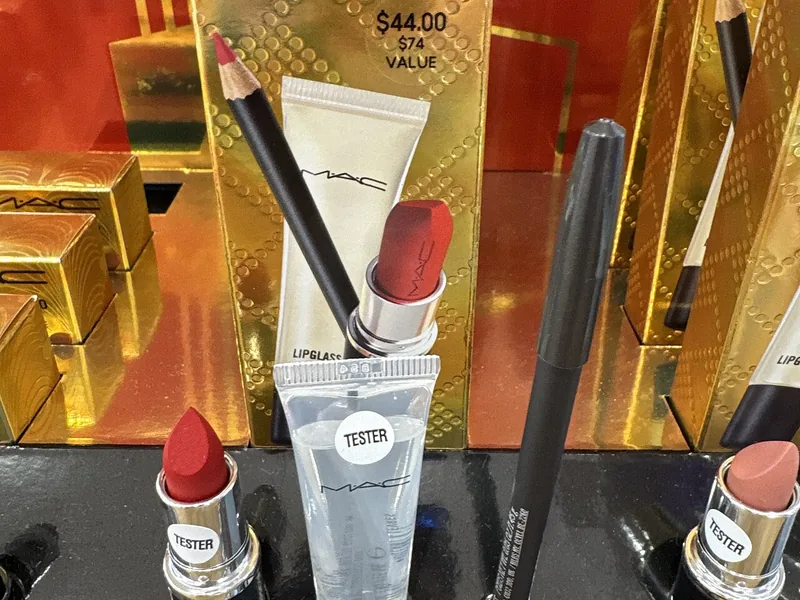
Lip gloss is a cosmetic under FDA rules. So the label is not optional – retailers and marketplaces check for it.
Cosmetic label rules mean showing the right copy in the right place: identity, net quantity, ingredients, and your business name. This guide covers what must appear and where it goes.
It is general info, not legal advice. Confirm the exact rules for your formula and markets. Part of our custom lip gloss boxes guide. Lip products are cosmetics under federal law – see the FDA cosmetics labeling rules.
| Element | Required? | Notes |
|---|---|---|
| Ingredients (INCI order) | Yes | FDA cosmetic labeling rule |
| Net weight (fl oz + mL) | Yes | Dual-unit for US retail |
| Business name + address | Yes | Manufacturer / distributor |
| Warnings if applicable | Yes | For plumping / SPF actives |
| Product / shade name | Recommended | Front-panel identifier |
| Batch / lot code | Recommended | Traceability + recall |
| PAO (period-after-opening) | Recommended | Small jar icon with months |
What every lip gloss label needs
- Identity statement – what the product is (“lip gloss”), on the front panel.
- Net quantity of contents – the amount, in both metric and US units.
- Ingredient list – in descending order using INCI names, on the pack or an attached tag.
- Name and place of business – the maker, packer, or distributor.
- Warnings – any needed directions or cautions for safe use.
The principal display panel vs the information panel
Cosmetic labels split the needed copy across two zones.
The principal display panel (PDP) is the front. It carries the identity statement and the net quantity of contents.
The information panel – usually a side or back – carries the ingredient list and the name and place of business.
Knowing which copy belongs where is the gap between a clean box and one a retailer rejects. On a small gloss carton, both panels are tight. So plan the split early.
The ingredient list and INCI names
List ingredients in descending order of amount. Use INCI names – the standard names, not your marketing terms. Colorants may come at the end.
INCI names are long. A gloss tube is small. So the ingredient list almost always lives on the outer box, not the tube. Keeping the list clear at a small type size is one of the main reasons gloss brands choose an outer carton at all.
Net quantity, units, and type size
The net quantity of contents states how much product is inside. Show it in both metric and US units (like milliliters and fluid ounces).
It belongs on the lower part of the front panel. It must be clear and easy to read – not buried in tiny print. On a slim gloss box, keep clean space on the front so the figure reads at arm’s length.
Box vs. tube: what goes where
A slim gloss tube rarely has room for a full ingredient list. So the outer box does the heavy work. Identity and net quantity go on the front. Ingredients and business name go on a side or back panel.
If you sell without an outer carton, the needed copy must fit on the tube or a firmly stuck tag. This is why many indie gloss brands move from a bare tube to a printed carton. The box gives the ruled copy a clear home. It also leaves the front free for branding.
Warnings, claims, and what to avoid
Cosmetics may carry warnings or directions when needed for safe use. These belong on the pack in clear type.
Just as key is what you should not say. A cosmetic is meant to cleanse or beautify. So claims that the product treats or prevents a condition can push it into being ruled a drug, which brings much heavier rules.
For lip gloss, this means being careful with words around healing, SPF, or medicinal benefits. Only use them if you are ready to meet the extra rules. Keep marketing copy in line with the cosmetic purpose. Run any therapeutic claim past a compliance pro first.
Selling on marketplaces and to retailers
Even when a product meets federal rules, retailers and online marketplaces run their own label checks before they list it.
Buyers often reject packs that lack an ingredient list, show net quantity in one unit system only, or omit a business name. These are the same items federal rules need.
So getting the label right the first time is not just a rule matter. It keeps a product from being pulled at the point of sale. Planning the ruled panels into the box from the start is the cheapest guard against a costly reprint later.
Design the box around the copy
The cleanest labels are planned, not squeezed in. We lay out a free dieline with space set aside for your needed panels. So art and rule copy sit side by side.
We do the same for custom printed cosmetic boxes and the cosmetic label requirements across the category. Building the panels into the dieline from the start avoids the classic mistake of finishing the art and then finding no space for the ingredient list.
How we help you stay compliant
We are a US-based supplier in Cheshire, Connecticut. We include free design support and a free dieline with every order. So we can set out your identity, net quantity, ingredients, and business-name panels before printing.
With a 100-box minimum, both offset and digital print, and an 8–10 day turnaround, you can get a small ruled run to market fast. Note that we lay out the copy you send. You are responsible for the accuracy of the ingredient list and claims.
Frequently asked questions
Does the ingredient list have to be on the box?
It must be on the pack or an attached tag. A slim tube rarely has room, so the outer box is the usual home. If you sell without a carton, it must fit on the tube or a firmly stuck tag.
What units do I use for net quantity?
Both metric and US units – like milliliters and fluid ounces – shown clearly on the front (principal display) panel.
Do I need to use INCI ingredient names?
Yes. List ingredients by their standard INCI names in descending order of amount, not by marketing names.
Is this legal advice?
No. This is general info to help you plan your packaging. Confirm the exact rules for your formula and markets. Check the FDA cosmetics labeling rules or a compliance pro.
What is the principal display panel on a lip gloss box?
The principal display panel (PDP) is the front face a buyer sees first at retail. On a lip gloss carton, it carries the identity statement (“lip gloss”) and the net quantity of contents in both metric and US units. Ingredient lists and the business name sit on the side or back – the information panel.
How much does a compliant lip gloss box cost to print?
Pricing is quote-based on size, stock, and finish, not on the label copy itself. Adding the ruled panels does not raise cost – a 100-box run of a slim tuck-end carton with INCI ingredients, net weight, and business name prints at the same rate as a plain box. There are no die or plate fees for the custom dieline that fits your tube.
Which panel layout is best for a slim gloss tube box?
A straight tuck-end carton with the identity statement and net quantity on the front, the INCI ingredient list running down one long side panel, and the business name plus batch code on the back. This layout keeps the front free for branding while still fitting long INCI names at a legible type size on a small carton.
Is it worth adding an outer carton just for the label copy?
For most gloss brands, yes. A slim tube rarely holds a full INCI list at a readable size, and retailers reject packs that bury the copy. The carton gives the ruled panels a clear home, keeps the tube free for branding, and doubles as your unboxing moment. At a 100-box minimum with free dieline, the added cost is small next to a rejected listing.
For more examples, browse these lip gloss labels from OLX Packaging.
Send your ingredient list and net weight. We will lay out a box that fits the needed copy with room for your brand. Browse custom lip gloss packaging boxes, then request a free quote or contact our team.
Part of our cosmetic packaging guide — the pillar reference for every cosmetic topic on this blog.