Blog · By The Packaging Vista Team · April 6, 2026
The Packaging Face-Off: Blister Pack vs. Kraft Paper – No Hype, Just Facts
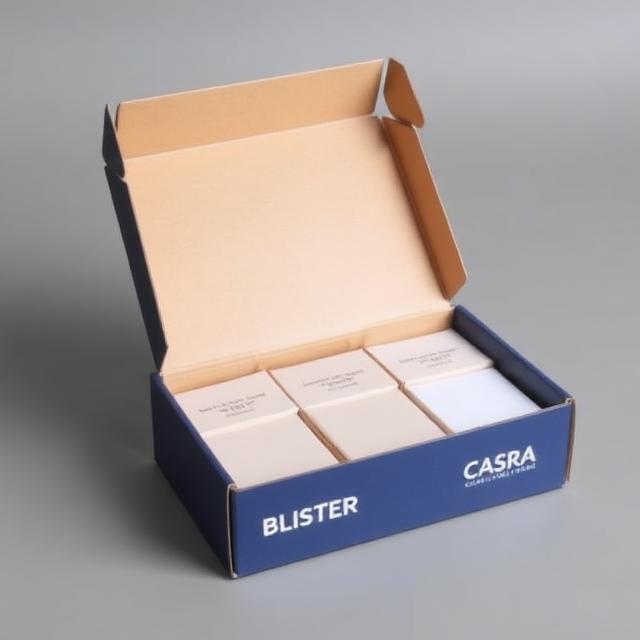
Blister pack vs. kraft paper is one of the most useful stock picks a brand makes. Neither wins outright.
A blister pack is the molded, clear plastic shell that locks a product in place behind a see-through face. Kraft paper is the brown, fibrous wrap and board that folds around almost anything. Each fits a different job.
This guide lays out the real trade-offs – view, guard, cost, and end-of-life – so you can match the stock to your product without the spin.
What each material is
A blister pack seals a product between a molded plastic cavity and a backing card or foil. It is built for view and safety. The buyer sees the item, and the pack blocks tampering and damp.
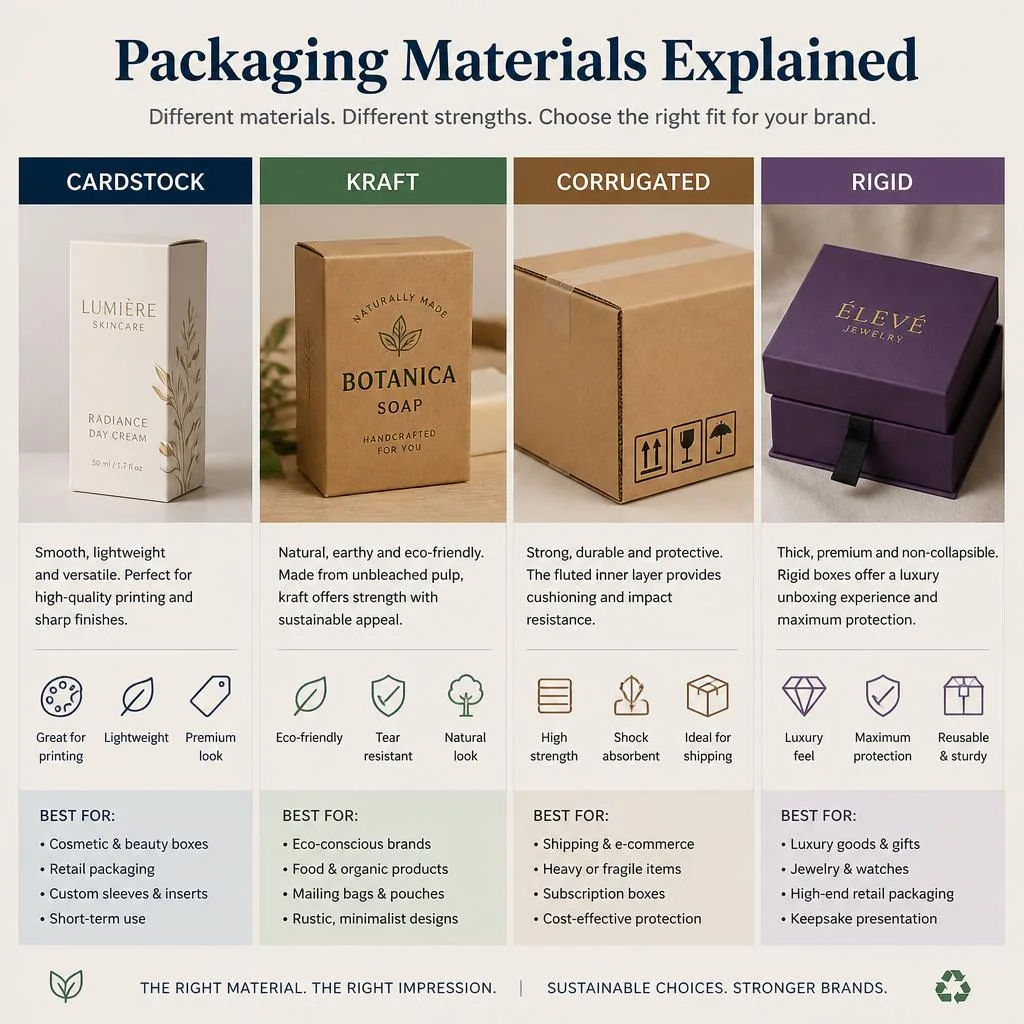
Brown natural kraft paper is an unbleached (or lightly bleached) paper and board made from wood pulp. It folds, wraps, and cushions, sets up cheap, and carries a natural, low-waste look. The two are less rivals than tools for different problems.
Visibility and presentation
Blister packs win on point-of-sale view. Molded around a tool, razor, or tech add-on, they show the exact shape, size, and brand with nothing to open first. That helps buys on a busy shelf.
Kraft, on the flip side, hides the product. That is an edge when the reveal is part of the moment. A bar of soap, a gift, or a sub-box gains from an unboxing beat, not a see-through shell. Ask a simple question: does the buyer need to see the product before opening?
Protection and durability
Blister packs guard better against water, dust, and knocks. The sealed plastic holds its shape and keeps things clean until opened. That is why it is the norm for medicine, tech, and small hardware.
Kraft is weaker to damp and crushing on its own. But thicker kraft and crumpled paper cushion well. Pair kraft with a guard corrugated shipping box or molded-pulp insert and you get solid support for fragile goods. For light or non-fragile items, kraft alone is enough.
Opening experience
Here blister packs lose ground. “Wrap rage” is the fight to open a sealed shell with scissors or a knife. It is a real minus. Peel-corner designs that fix it add cost, so many brands skip them.
Kraft opens easily and can be folded back. That matters for goods that may be sent back or resealed.
Cost, scale, and shipping
Blister packs suit high-volume runs. They need tooling, plastic sheet, heat, and sealing gear. So the math favors big counts.
Kraft needs little more than glue, tape, or string. That makes it the smart pick for small batches and short runs – and we charge no die or plate fees on a custom kraft carton or wrap.
On weight, thin kraft can ship lighter than a stiff plastic shell. Heavy guard kraft weighs more for the same size. So the shipping match-up depends on the grade you pick.
Sustainability and end-of-life
This is kraft’s strongest point. Uncoated kraft recycles and composts clean, even when wet or dirty.
Most blister packs end up in landfill. Some use PET that can be recycled, but few are in practice. The mixed plastic-and-card build is hard to split. If a low-waste end-of-life matters to your buyers, kraft is the safer story. Just keep the claims honest, as our sustainable packaging guide covers.
Quick comparison
| Feature | Blister pack | Kraft paper |
|---|---|---|
| Visibility | Yes | No |
| Water resistance | High | Low (unless coated) |
| Resealable | No | Partly (fold or tape) |
| Home compostable | No | Yes (if uncoated) |
| Custom shape | Needs a mold | Folds to fit |
| Best run size | High volume | Small to mid batches |
| Recycling reality | Rarely recycled | Often recycled or composted |
| Best for | Batteries, tools, medicine | Soap, apparel, gifts, liners |
Industries that use blister packaging
Blister packs rule fields where guard, view, or single-dose handling matter:
- Pharma – pills and capsules kept split up and dry, often in dose-tracking packs.
- Healthcare and medical tools – syringes, test kits, and sterile bits kept clean until opened.
- Consumer tech – earbuds, batteries, memory cards, and chargers, shown and tamper-safe.
- Retail and hardware – screws, hooks, and small tools held in place during handling.
- Personal care – razors, blades, and brushes kept clean and easy to show.
Where kraft paper fits best
Kraft shines when the product need not be seen and the brand wants a natural, low-waste feel. Think soap and bath bars, apparel, dry goods, gift wrap, box liners, and crumpled void fill.
It folds around almost any shape, sets up cheap, and recycles or composts clean when uncoated. If your pack is about the unboxing moment, not shelf view, kraft wins. Browse the shapes on our natural kraft retail boxes page. Or compare stocks in our packaging materials guide.
How to choose
Set the buzz-words aside and answer four questions. Does the product need to be seen at the point of sale? Does it need to live through damp or rough handling? How will the buyer open it? And what happens to the pack after?
Your answers point to one stock or the other. For many brands the smart answer is a paper build that keeps the best of both. Browse the options in our sustainable eco-friendly packaging boxes line.
Frequently asked questions
Is kraft paper always more sustainable than a blister pack?
Usually, but not always. Uncoated kraft recycles and composts easily. Most blister packs go to landfill. A PET blister pack can be recyclable on paper, but few are recycled in practice.
When is a blister pack the better choice?
When the product must be seen at retail, tamper-safe, damp-proof, or dosed in single units. Medicine, tech, and small hardware are the classic cases.
Can kraft paper protect fragile items?
Thicker kraft and crumpled paper cushion well. For fragile goods, pair kraft with a corrugated box or molded-pulp insert for solid support.
Can Packaging Vista make kraft retail packaging?
Yes. With no die or plate fees and a 100-unit minimum, we supply kraft cartons, sleeves, and wraps with free design help and a free dieline.
What is the real difference between a blister pack and kraft paper?
A blister pack is a molded plastic shell sealed to a card, built for shelf view, tamper safety, and damp protection. Kraft is an unbleached paper or board that folds around goods and cushions them. Blister wins on visibility and moisture resistance; kraft wins on cost at low volumes, opening ease, and recyclability.
How much does each option cost at low volumes?
Blister packs need molds, plastic sheet, heat, and sealing gear, so tooling drives up unit cost on short runs. Kraft cartons and wraps set up cheap – and at Packaging Vista we charge no die or plate fees on a 100-unit minimum kraft run, with free design, free dieline, and free US shipping. That gap makes kraft the smarter pick for small batches.
Which option is best for an unboxing-driven brand?
Kraft. Blister packs reveal the product on the shelf, which kills the unboxing beat. Kraft hides the item behind a printed carton, sleeve, or wrap, so the reveal happens at the buyer’s hands. Soap, apparel, gifts, and subscription boxes almost always land better in a kraft build than a see-through shell.
Is a kraft build worth it if my product is fragile?
Yes, when you pair it right. Kraft alone is weaker against crushing than a sealed plastic shell, but thicker kraft, crumpled paper void fill, and a molded-pulp insert inside a corrugated shipper give solid support. For most fragile goods that don’t need shelf visibility, that combo protects as well as blister at a lower recycling cost.
For more on this topic, see kraft vs recycled cardboard packaging comparison from OLX Packaging.
Not sure which side of the face-off fits your product? Tell us what you pack and how it sells. We will pick the right stock with a free dieline. Request your free quote or contact our team to get started.
Part of our custom printed papers guide — the pillar reference for every custom printed papers topic on this blog.