Blog · By The Packaging Vista Team · June 20, 2026
Custom Cosmetic Packaging: A Materials, Design & Labeling Guide
Custom cosmetic packaging is brand-printed for beauty, skincare, and makeup. It is built to guard fragile items and show off the brand.
In beauty, buyers judge value by look and feel. So the box does real work. It keeps glass and compacts safe in shipping. It also sets the first look, long before the buyer opens the tube. Packaging Vista makes custom beauty boxes with premium finishes. No die or plate fees. The min is 100 boxes. Turnaround runs 8–10 days.
Key takeaways
- Match the build to the product: tubes, jars, palettes, and bottles each need their own box and insert.
- Finish drives value: soft-touch, foil, and spot UV make a product feel high-end on touch.
- Labels still have rules: US cosmetics must show product name, net weight, what is in it, and the maker’s info.
- Get started: ask for a free quote with your product type, size, and finish.
What is custom cosmetic packaging?
Custom cosmetic packaging is printed and built for one beauty item. That could be a lipstick, a serum, or a palette. It is not a plain stock box. “Custom” covers the size, the shape, the stock, and the art. All made for one item.
Beauty is a visual, trust-based type of goods. So the finish and fit count as much as the print – and packaging design has to solve for product protection (glass, pumps, applicators) at the same time. See the full range on our beauty box styles and finishes page.
What box styles work for cosmetics?
The right build depends on the product. The table below maps common beauty items to a good box.
| Product | Best pack style |
|---|---|
| Lipstick | Snug tuck-end cartons that grip the bullet tube; see lipstick boxes for bullet tubes. |
| Lip gloss | Slim cartons or insert-fitted boxes for wands; see lip gloss boxes for wands. |
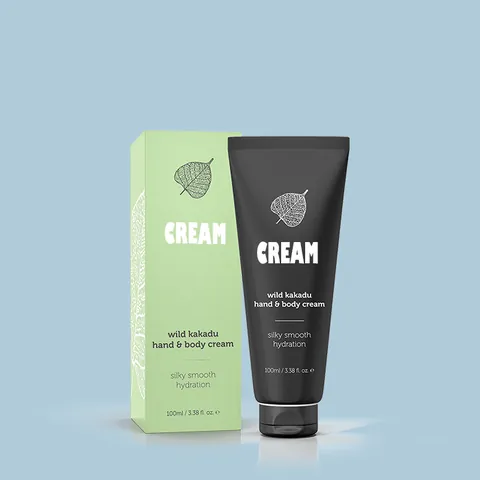
| Creams & skincare jars | Sturdy cartons that protect glass jars and pumps; see cream boxes for skincare jars. |
| Eyeliner & mascara | Narrow, protective cartons for slim applicators; see narrow eyeliner boxes for applicators. |
| Perfume & fragrance | Rigid or foil-finished boxes for a luxury feel; see rigid perfume boxes for fragrance. |
| Bath bombs | Window or kraft cartons that show the product; see bath bomb boxes with windows. |
| Hair extensions | Long, premium cartons with hang holes; see hair extension boxes with hang holes. |
| Jewelry & accessories | Rigid gift-style boxes with inserts; see rigid jewelry boxes with inserts. |
What materials and finishes make beauty packaging look premium?
The stock sets the base. The finish sets the price. SBS cardstock prints bright, sharp color for most makeup and skin care. Kraft suits clean, natural brands. Rigid board gives the heavy, luxury feel that top scent and skin care brands want. See luxury rigid boxes for top brands.
On top of those, the finish is what buyers feel first:
- Soft-touch film for a velvety, top-tier hand-feel.
- Spot UV for glossy touches on your logo against a matte back.
- Foil stamping (gold, silver, rose gold) for metal, luxe cues.
- Embossing or debossing for a raised logo you can feel.
- Window patching to show the product. See window boxes that show the product.
How do you design cosmetic packaging that sells?
Good beauty packaging balances brand pull with clear shelf info. A few tips:
- Lead with the brand. Keep the front panel clean and easy to spot. Let one finish carry the eye.
- Make the key info easy to read. Shade name, net weight, and what is in it should be clear on a small carton.
- Design the unboxing. Printed insides and inserts build the social moment beauty buyers share.
If you only have a logo, our free design team will build a print-ready dieline for your product. Just describe it on your quote request.
What should a cosmetics label include?
In the US, cosmetics fall under the FDA. They fall under the Food, Drug, and Cosmetic Act and the Fair Packaging and Labeling Act. Rules shift by product. But a retail beauty label often shows:
- The product name (what it is) on the front panel.
- The net weight inside.
- What is in it. Usually in INCI names. In order of how much is in it.
- The name and place of the maker, packer, or seller.
- Any needed safety notes.
New MoCRA rules add plant sign-up and product listing for many brands. See the MoCRA Act. We design the box so this info stays clear. Our team flags layout issues before we print.
This guide is general info, not legal advice. Check the current FDA rules for your product before you print.
Can cosmetic packaging be green?
Yes. It lands well with the clean-beauty crowd. Green kraft and paperboard, soy inks, and right-sized boxes all cut waste. They lower a product’s footprint. And they back up a natural brand story. Start with our eco-friendly boxes in green kraft. Ask us to match a green stock to your cosmetic format.
Dig deeper: cosmetic packaging guides
This guide is the overview. For a deeper look at any part, see our focused reads:
- Cosmetic packaging by product type – boxes for lipstick, skin care, scent, and more.
- Luxury cosmetic packaging – rigid boxes, finishes, and unboxing that feel high-end.
- Cosmetic label requirements – name, INCI list, and what MoCRA changed.
- Sustainable cosmetic packaging – clean-beauty stocks that still look high-end.
- Artificial hair extension packaging
- Hair extension packaging
Frequently asked questions about cosmetic packaging
What is the min order for custom cosmetic boxes?
Just 100 boxes. So new and growing beauty brands can order printed boxes without storing thousands of units.
Can you match my exact brand color?
Yes. Along with full-color CMYK we print Pantone (PMS) spot colors. So your brand color stays the same on every SKU and reorder.
Can you add inserts to hold bottles and palettes?
Yes. Paperboard or foam inserts and dividers hold bottles, droppers, compacts, and palettes in place. That stops shifting and breakage in shipping.
How long does it take to make?
It runs 8–10 days after you okay the digital proof, plus shipping time.
What is custom cosmetic packaging?
Custom cosmetic packaging is brand-printed packaging built for beauty, skincare, and makeup – sized to your bottle, jar, tube, palette, or compact and printed with your art. It covers folding cartons, rigid boxes, magnetic-closure boxes, and window boxes, printed on food-safe-grade SBS or kraft with finishes chosen to match the price point inside.
How do I choose between a folding carton and a rigid box for beauty?
Match the build to the SKU role. Folding cartons ship flat and cost less – ideal for everyday SKUs, refills, and value lines. Rigid boxes arrive pre-formed with a weighty, gift-worthy feel and pair well with magnetic lids – ideal for hero SKUs, launch drops, and prestige lines. Most brands use both. Rigid on the flagship, cartons on the range.
What are the benefits of custom cosmetic packaging over stock boxes?
Custom lets you size the box to the product so it does not knock around in transit, print your brand story on every panel, add safety copy and INCI lists cleanly, and pick finishes that lift felt value. Stock boxes force a compromise on fit, look, and compliance. Custom also lets you match a whole range so the shelf reads as one line.
Is custom cosmetic packaging worth it for a small indie beauty brand?
For hero SKUs and launch drops – yes. Custom lifts perceived value, unboxing photos, and repeat buys, and often pays back through higher price points. With a 100-box MOQ, no die or plate fees, and free dieline and 3D mockup, you can test custom on a single new shade or set without import-scale volume. Everyday refills can stay on simpler cartons.
How to order custom cosmetic packaging
Send us your product type, size, and the finish you want. We send back a quote with no die or plate fees. We include a free dieline and 3D mockup. We make your boxes in 8–10 days after you sign off on the proof. All from a low 100-box min.
For more examples, browse these custom cosmetic box styles from OLX Packaging.
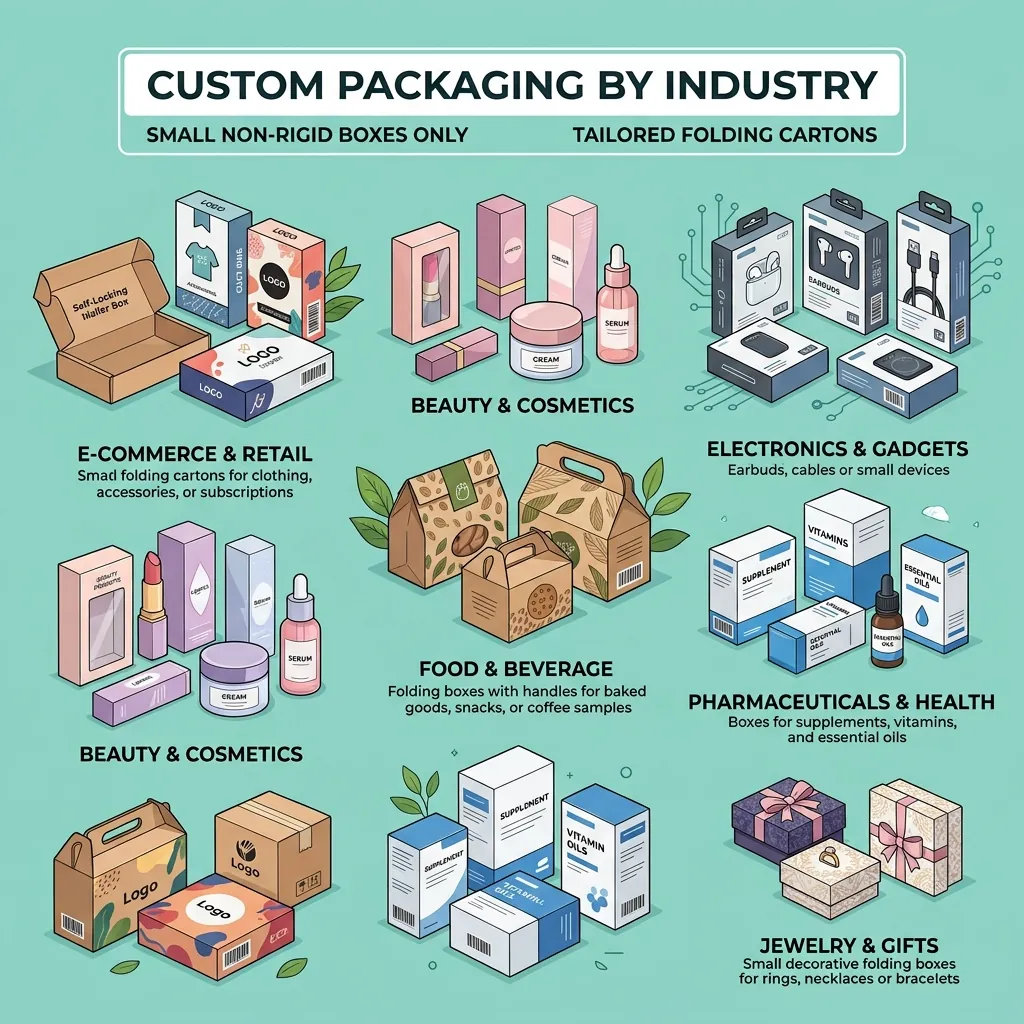
Not sure where to start? See how packs shift across fields in our packaging by industry guide. Then ask for your free quote or reach our team.
Related guides in this topic cluster
- Custom Cosmetic Boxes in the USA: How to Source From a US-Based Packaging Partner
- Custom Lip Gloss Boxes in the USA: A Buyer's Guide to Working With a US-Based Supplier
- Custom Eyeliner Boxes in the USA: How to Source From a US-Based Packaging Partner
- Custom Cream Boxes in the USA: A Buyer's Guide to Working With a US-Based Supplier
- Custom Lipstick Boxes in the USA: How to Source From a US-Based Packaging Partner
- Custom Lip Gloss Boxes: The Complete Packaging Guide
- Lip Gloss Box Sizes & Dimensions: A Practical Guide
- Lip Gloss Box Inserts: Hold Tubes & Wands Securely
- Lip Gloss Labeling Requirements: FDA Cosmetic Rules
- Sustainable Lip Gloss Packaging: Eco Boxes & Refills
- Lip Gloss Box Finishes: Foil, Soft-Touch & Holographic
- Private Label Lip Gloss Packaging: Boxes for Your Brand
- Lip Gloss Window Boxes: Show Off the Shade