Blog · By The Packaging Vista Team · June 20, 2026
Sustainable Cosmetic Packaging: Clean Beauty and Eco Options
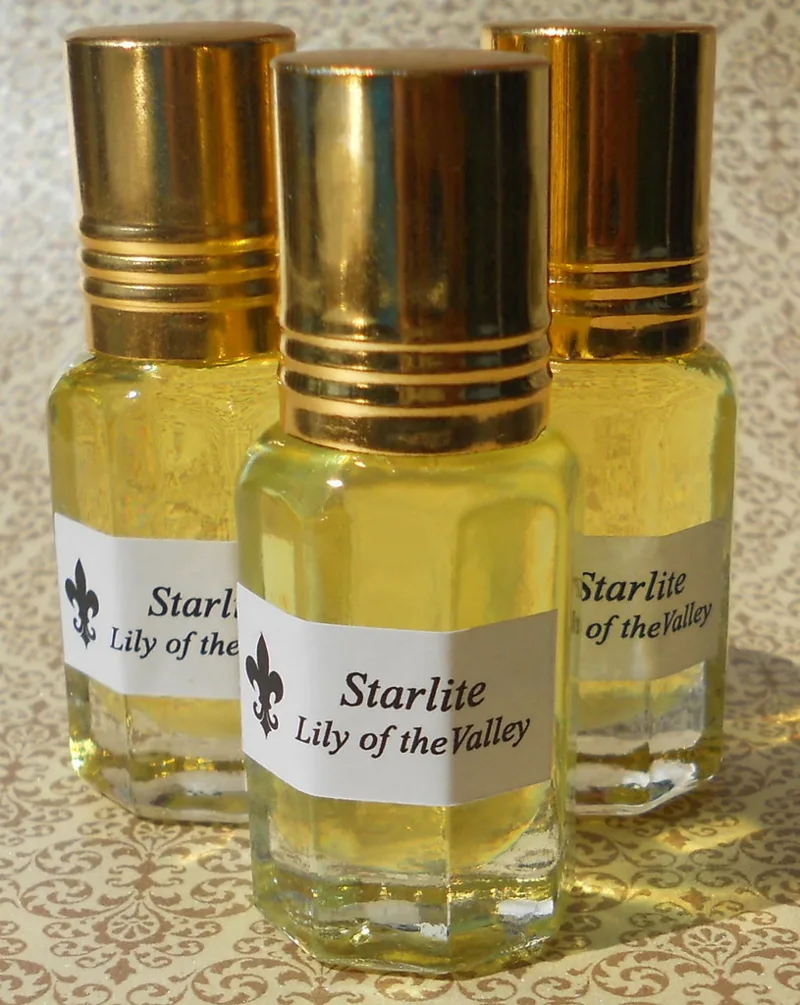
Sustainable cosmetic packaging is recyclable, paper-based, or refillable packaging designed to match clean-beauty brand values without giving up the premium look. For clean-beauty brands, green is now part of the product itself, not an add-on.
Buyers of clean cosmetics and skincare expect the packs to match those values. Recyclable, paper-based boxes back up the brand; too much plastic quietly hurts it. The trick in beauty is to go green without losing the high-end look, and the good news is you do not have to choose.
This guide goes deeper on eco beauty packs than the short section in our main cosmetic packaging guide. We cover recyclable stocks, plastic swaps, top-tier eco finishes, and honest claims.
Why does sustainability sell in beauty?
Clean-beauty buyers read labels. They care about footprint. Recyclable, paper-based packs back up the brand story. Too much plastic pulls it down. For many beauty brands, the packaging design is part of the same claim the recipe makes. A "clean" cream in a plastic-heavy, too-big carton sends a mixed message.
Green packs also set you apart on a busy shelf, and pull double weight in e-commerce packaging where the recyclable material is the first thing a subscriber feels at the doorstep. A recyclable carton with an honest claim can tip a shopper who is on the fence.
What eco-friendly materials fit cosmetics?
- Recyclable kraft and paperboard – a clean, plain look. See recyclable kraft cosmetic boxes.
- Recycled-fiber stocks – a lower footprint per carton.
- Soy and water-based inks – low-impact print.
- Right-sized boxes – less stock and less shipping waste.
You can find all of these in our eco-friendly boxes for beauty brands line. They suit every beauty form – skincare cartons, cosmetic boxes for skincare brands, and gift sets alike.
How do you cut plastic and keep protection?
The main plastic parts of a beauty box are molded trays, plastic windows, shrink wrap, and heavy laminate films. Each has a paper swap.
Use a die-cut paperboard insert in place of a plastic tray. Use an open or die-cut window in place of plastic film. Use a printed band or sticker seal in place of shrink wrap. Use a water-based or soft-touch coat in place of a plastic laminate. See our plastic-free packaging guide for the full swap list.
These changes keep the carton close to a single recyclable stock. That is what makes it truly curbside-safe, not just paper-looking.
Can eco packaging still look premium?
Yes. This is the main worry for beauty brands, and the answer is yes. Recycled stocks pair well with matte or soft-touch coats, soy inks, and clean design. You can have a recyclable box that feels rich and thought-out.
The trick is to let restraint do the work. A kraft or recycled board with a debossed logo, a single foil accent, or a soft-touch coat reads as quiet luxury. Touch-based finishes and clean shape signal quality more than glossy plastic does. They also fit the clean-beauty look.
| Conventional component | Eco-friendly swap |
|---|---|
| Molded plastic tray | Die-cut paperboard insert |
| Plastic window film | Open or die-cut window |
| Shrink wrap | Printed band or sticker seal |
| Heavy plastic laminate | Water-based / soft-touch coating |
| Virgin bleached board | Recycled-content or FSC stock |
How do you right-size and add refills?
Too-big beauty boxes are common and wasteful. A small jar in a big carton burns stock and shipping fuel. It also reads as filler. Size the box snug to the product or its insert to cut both.
For repeat items, offer a refill or pod pack. This trims packs per use and gives buyers a reason to come back. That is a win for green and for loyalty at once. We build to your exact size with no die or plate fees. So a tight, low-waste box costs nothing extra in tooling.
How do you make honest claims?
Beauty shoppers spot vague "eco" wording fast. Greenwashing hurts the trust you are trying to build. Be clear about what is recyclable.
Do not mix up recyclable, compostable, and biodegradable. They mean three things and go in three bins. "Recyclable paperboard carton, soy inks, plastic-free insert" earns more trust than a badge. Our sustainable packaging guide explains the terms and how to claim them.
What sustainable options work across a beauty line?
A beauty brand spans many forms. Each has an eco path.
Skincare jars and creams fit a folding carton in recycled or kraft board with a die-cut insert. Slim items – mascara, lip products, pencils – fit narrow cartons that use very little stock to start with. Right-sizing and a paperboard insert get most of the way there.
Sets and gifts can use a paper-wrapped rigid box in place of a plastic-coated one. Pair it with a molded-pulp or paperboard tray, not a vacuum-shaped plastic insert. Build the line on one recyclable stock with the same finishes. That keeps the shelf set clean and the green story steady across every SKU.
How does sustainability fit the brand story?
For clean-beauty brands, packs are part of the brand story. It is not just a cost line. The choice to use recyclable board, plastic-free inserts, and soy inks is worth telling buyers about – on the box, on the product page, and in your content.
When the packs match the values the recipe claims, the whole brand reads as real. That match is what wins the green-minded beauty shopper. Any gap between claim and truth gets punished fast. So keep the packs honestly in line with the story you tell.
Frequently asked questions
Can recyclable cosmetic packaging still look luxury?
Yes. Recycled and kraft stocks pair well with matte or soft-touch coats, soy inks, debossing, and a single foil accent. Quiet, touch-based finishes read as luxury and fit the clean-beauty look.
What is the easiest plastic to remove from a beauty box?
The molded plastic tray and the plastic window film. A die-cut paperboard insert and an open or die-cut window swap in for both. The carton stays recyclable.
Does sustainable beauty packaging cost more?
Not with us. Recyclable kraft and recycled stocks run at our standard 100-box minimum with no die or plate fees. Pricing rests on size and finish.
How do I choose the right sustainable material for my beauty line?
Match stock to shelf position. Uncoated kraft signals clean-label and indie ranges naturally. Recycled-fiber paperboard suits mid-tier skincare and makeup with print. FSC-certified white board gives crisp vivid color for bold beauty artwork. Paper-wrapped rigid (not plastic-coated) works for luxury and gift sets.
On every option, swap molded plastic trays for die-cut paperboard inserts and skip shrink wrap.
What are the benefits of switching to sustainable cosmetic packaging?
Three main ones. It matches the "clean" story your recipe claims – a clean cream in a plastic-heavy carton sends a mixed message that hurts trust. It sets you apart on a shelf where a recyclable carton with an honest claim can tip an on-the-fence shopper. And at Packaging Vista, recyclable stocks cost no more than conventional at the 100-unit minimum with no die or plate fees.
What is the difference between recyclable, compostable, and biodegradable beauty packaging?
Recyclable means the paperboard enters normal curbside streams and gets pulped into new board – the safest, clearest claim. Compostable needs an industrial facility to break down; home compost rarely qualifies. Biodegradable is the loosest term and often misleading.
Uncoated kraft or paperboard with water-based coats is recyclable, which is what most US buyers actually do. Don’t mix the three on your box – buyers spot the greenwashing fast.
Which sustainable finish is best for a premium skincare box?
Soft-touch aqueous coating with a debossed logo and a single foil accent. Aqueous coat keeps the carton close to a single recyclable stock (unlike plastic laminate), the soft-touch feel signals quiet luxury the moment the buyer picks it up, and a debossed logo plus one small foil hit deliver premium cues without a heavy laminate.
It photographs well for unboxing content and fits the clean-beauty aesthetic.
Go green with your beauty packaging
You can also see kraft cosmetic boxes at OLX Packaging for more layout ideas.
Tell us your product. We will match a recyclable, top-tier sustainable cosmetic packaging option to it. Free dieline, design help, 8–10 day build. Start with our full cosmetic packaging guide. Then request your free quote or contact our team.