Blog · By The Packaging Vista Team · June 20, 2026
Luxury Cosmetic Packaging: How to Make Beauty Boxes Feel Premium
In beauty, felt value is built from how the box looks and feels – before the product is ever used.
Luxury cosmetic packaging is a mix of the right build and the right finish. Think rigid boxes, magnetic closures, foil and soft-touch surfaces, and the unboxing details that make a premium beauty product feel high-end. This article applies our luxury packaging guide to beauty. It goes deeper on the premium end than our main cosmetic packaging guide.
| Structure | Perceived value cue | Best fit |
|---|---|---|
| Rigid magnetic | Weight + click on open | Prestige beauty hero SKUs |
| Sleeve-and-tray | Layered reveal | Palettes, compacts, foundation |
| Two-piece lift-off | Slow, ceremonial open | Skincare kits, gift sets |
| Drawer style | Two-hand pull, gift feel | Serums, ampoules, editorial kits |
| Foil-stamped tuck-end | Retail price-point luxury | Mass-prestige mascara, lipstick |
Start with structure
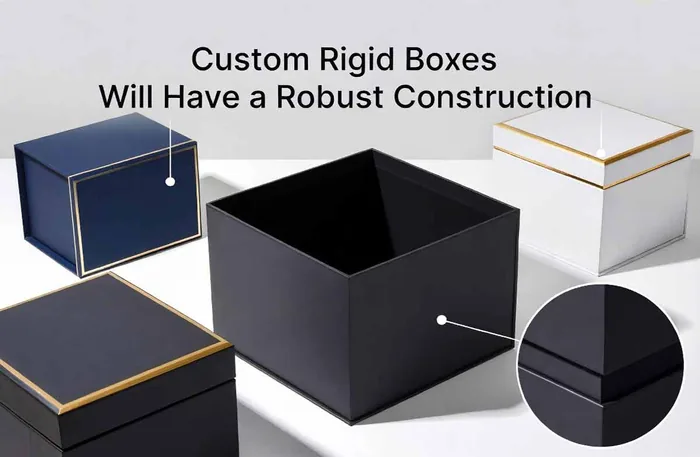
The biggest signal of a premium product is a rigid box. That is thick chipboard wrapped in printed paper. It arrives pre-formed with a solid, weighty feel.
Weight reads as quality. A folding carton flexes. A rigid box feels substantial the instant a buyer lifts it.
Add a magnetic closure and the open becomes part of the moment. The soft, planned snap is a cue buyers link with prestige. See rigid setup boxes for cosmetics and magnetic closure boxes for beauty.
Layer the right finishes
Finish is what buyers feel first. The mixes that read as luxury:
- Soft-touch lamination for a velvety hand-feel.
- Foil stamping (gold, silver, rose gold) for a metallic logo.
- Embossing for a raised, tactile mark – pair it with foil for the top-end effect.
- Spot UV for a subtle gloss accent on a matte box.
Our box finishes guide explains each one. The rule of thumb: one or two hero finishes, not five.
Why foil and emboss together read as premium
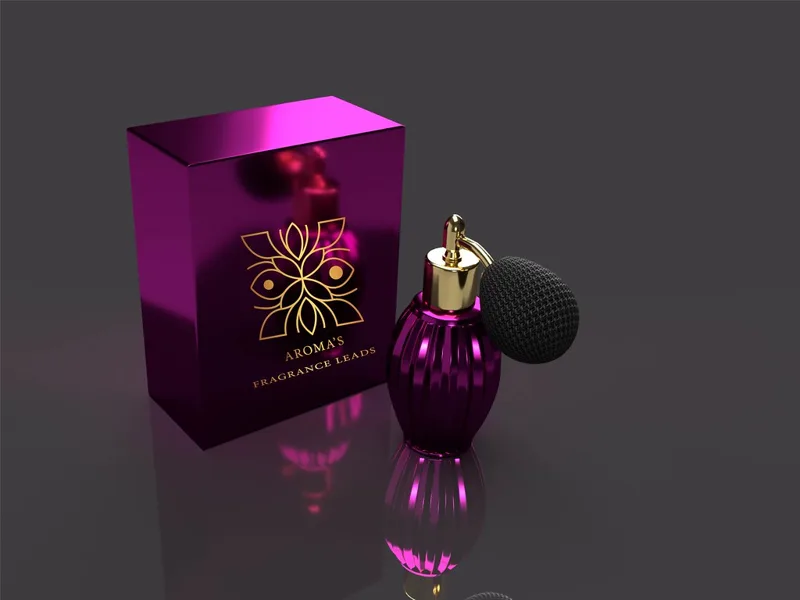
The most known luxury cue in beauty is a mixed finish. A foil-stamped logo that is also embossed. So it shines and stands proud of the surface.
The metal catches light. The raised relief catches touch. That hits two senses at once.
Done over a soft-touch base, the contrast between the velvety matte board and the bright raised metal is what sets a prestige box apart from a merely nice one. Restraint is key. The effect works because it is the single focal point. Not because everything on the box is foiled.
Choose the right material and color
Premium build deserves premium stock. Heavy SBS or a thick wrapped chipboard gives crisp, vivid print and a clean white base for color.
A deep, saturated color or a rich black, paired with a metallic foil, is a near-universal luxury formula.
Whatever the palette, keep it steady across the line. The same stock, the same finish system. That is what makes a range feel planned, not built piece by piece. For the material side, see our SBS cardstock guide and packaging materials explained.
Design the unboxing
Luxury is also a sequence. A fitted insert that presents the product face-up. A printed interior. A tissue or card layer.
These turn opening the box into a moment – the kind buyers photograph and share. The order of reveal matters. Lid lifts. Branded interior appears. Product sits cradled and shown, not dropped in.
Each step is a chance to reinforce the brand. See our inserts and unboxing guide for how to plan it.
Keep it consistent with the product
The custom cosmetic box packaging should match the price point inside.
A premium finish on a budget product feels off. A plain box on a prestige product undersells it. Line up the build, finish, and brand so the whole thing feels planned.
Buyers read mismatch at once. The packaging is a promise about what is inside. Luxury only works when the promise is kept.
Sustainability at the premium end
Prestige and green are no longer at odds. High-end buyers now expect both.
Rigid boxes made with recycled chipboard, paper wraps in place of plastic, soy-based inks, and refill formats let a luxury line feel planned as well as costly. See sustainable cosmetic packaging for ways to keep a premium box green.
Color, weight, and the psychology of premium
Luxury packaging works because it sends signals the brain reads before conscious thought.
Weight is one. A heavier box is felt as more valuable. That is why rigid build matters beyond its safety role.
Color is another. Deep saturated tones, rich blacks, and calm palettes feel more costly than bright, busy ones. Restraint itself reads as confidence.
Negative space also counts. Generous margins and a small logo on a large clean field tell a buyer the brand does not need to shout.
Mix those cues with one tactile finish and a planned open. A box can feel high-end even before the product is seen. The skill is knowing what to leave out as much as what to add.
Where to spend and where to save
A premium look does not need maximizing every element. It needs spending on the cues buyers notice.
The structure and the hero finish are worth the spend. A rigid box and a single foil-and-emboss logo carry most of the felt value.
You can save on the surfaces a buyer never sees or feels. You rarely need five finishes when two placed well do the job.
For a brand launching at our 100-box minimum with no die or plate fees, this means you can put budget into the rigid build and one standout finish. That beats spreading it thin across effects that cancel each other out. Planned, focused spend reads as more luxurious than scattered excess.
Frequently asked questions
What makes cosmetic packaging look luxury?
Mainly build and finish. A weighty rigid box, often with a magnetic closure. Finished with soft-touch lamination and a foil or embossed logo. A fitted insert and printed interior round out the premium feel.
Do I need a rigid box for a premium product?
A rigid box is the top signal of premium. But a heavy folding carton with the right finishes can also feel high-end. Rigid is worth it for hero products, gift sets, and prestige lines.
Can I get luxury packaging at a low minimum?
Yes. We have a 100-box minimum with no die or plate fees. So you can run premium finishes on a small batch. Pricing is quote-based on the build and finishes you choose.
How long does a premium beauty box take to make?
Our standard turnaround is 8–10 days after artwork approval. Complex rigid builds with several finishes are confirmed at quoting.
What is the difference between a rigid box and a folding carton for luxury beauty?
A rigid box is thick chipboard wrapped in printed paper. It arrives pre-formed with a solid, weighty feel. A folding carton ships flat and folds at fill. Rigid wins on felt value, weight, and the magnetic-lid open. Cartons win on cost, speed, and shelf space. Prestige hero SKUs use rigid. Everyday SKUs often stay carton with premium finishes.
How do I choose the right foil and emboss combo for a beauty box?
Pick one focal point. A foil-stamped logo that is also embossed hits the eye and the hand at the same time. Match foil to palette – gold or rose gold for warm brands, silver or holographic for clean or clinical lines. Emboss the same shape as the foil for a mixed effect. Keep the rest of the box calm so the hero mark carries the story.
How much does a luxury beauty box cost at 100 units?
Pricing is quote-based on stock, size, finish, and closure. A rigid box with soft-touch lamination and a foil-embossed logo runs higher per unit than a folding carton with digital print. But there are no die, plate, or setup fees at PackagingVista. So you can trial a premium look at 100 boxes without heavy upfront cost. Free design and 3D mockup are included.
Is luxury cosmetic packaging worth it for a small beauty brand?
For hero SKUs, gift sets, and launch drops – yes. Premium build lifts perceived value, unboxing photos, and repeat buys. That often pays back the extra per-box cost through higher price points and social share. For everyday refills or basic lines, a smart folding carton with one hero finish gives most of the effect at a lower spend. Match the build to the SKU role.
For more examples, browse these rigid cosmetic boxes from OLX Packaging.
Tell us your product and the look you want. We will suggest a build and finishes with a free dieline and 3D mockup – no die or plate fees, from a 100-box minimum. Start with our full cosmetic packaging guide, then request your free quote or contact our team.