Blog · By The Packaging Vista Team · June 20, 2026
Custom Inserts & the Unboxing Experience: A Practical Guide
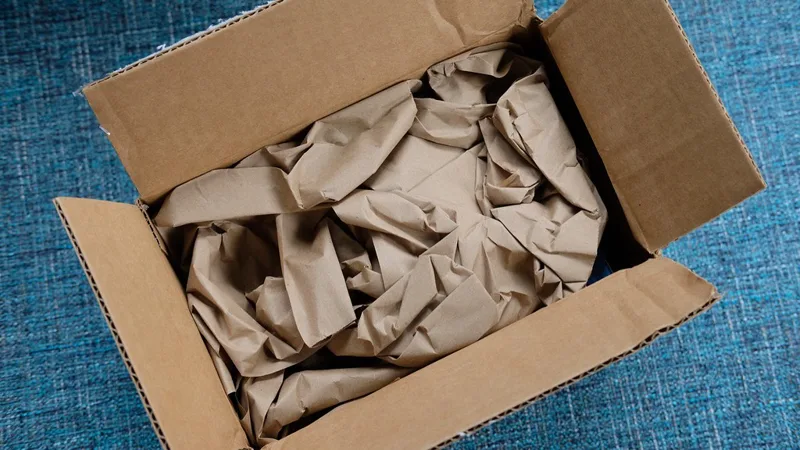
An insert is the fitted piece inside a box that holds your product in place. It does two jobs. It handles product protection in transit. And it presents the contents like a gift on open, extending your product branding all the way to the moment of first touch.
For e-commerce and subscription brands, the insert does the heavy lift. It turns a plain box into an unboxing worth sharing. This guide covers the main insert types and how to design the moment. Every order includes a free dieline, so your insert is built to your product on our fully custom printed boxes.
Key takeaways
- Inserts protect and present: they stop movement in transit and frame the product on opening.
- Match the insert to the product: paperboard for light items, foam for fragile ones.
- Eco options exist: paperboard and molded pulp replace foam for a greener unboxing.
- Get started: request a free quote with your product and box.
What does a packaging insert do?
An insert fills the empty space in a box. So the product cannot slide, rattle, or knock around. That protects fragile items. It also does something subtle. A snug, planned fit signals care and quality the moment a buyer opens the box. The best inserts do both at once.
What are the types of custom inserts?
The right insert depends on the product’s weight, fragility, and the look you want. The table below maps the main types to their best use.
| Insert type | Best for |
|---|---|
| Paperboard inserts | Light products and a clean, printable, recyclable fit. |
| Corrugated inserts | Heavier items needing more strength and cushioning. |
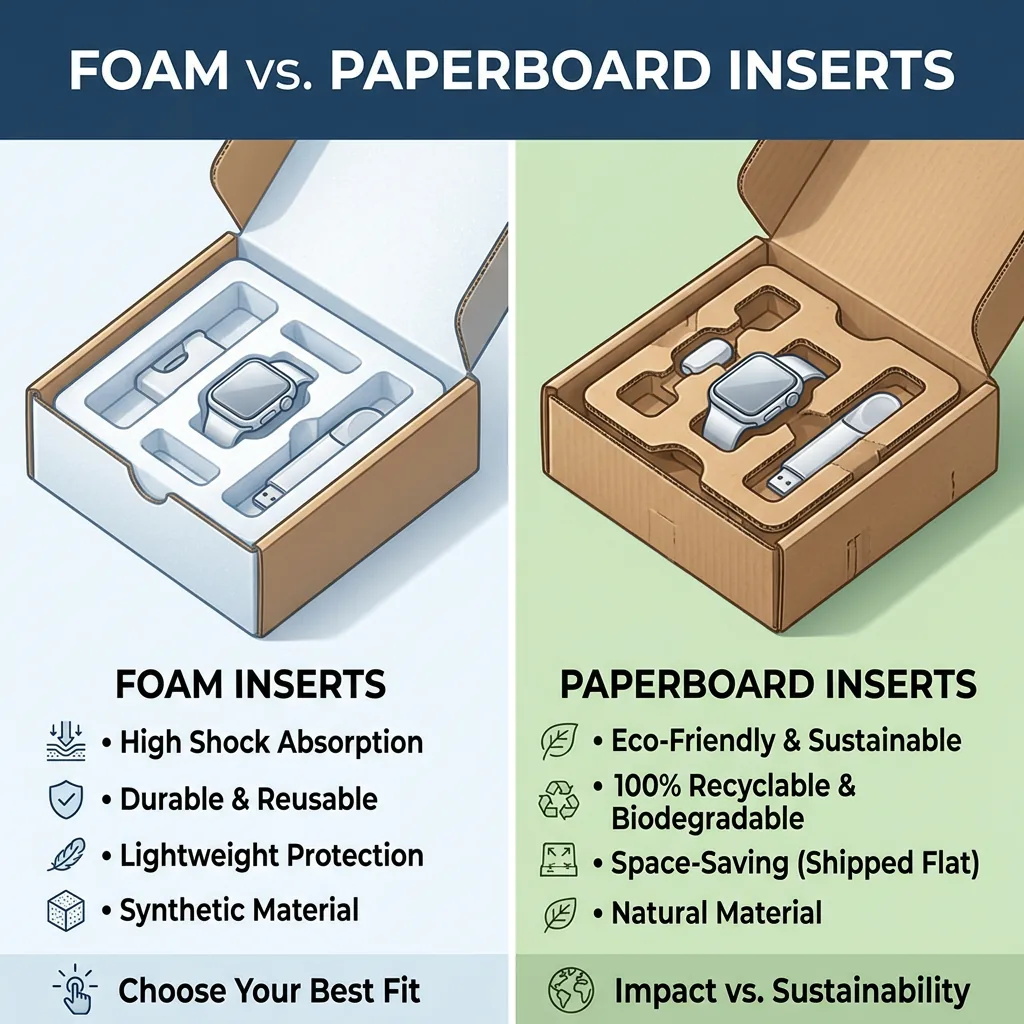
| Foam inserts | Fragile or precision items (electronics, glass) needing a tight hold. |
| Molded pulp | An eco-friendly, recyclable alternative to foam. |
| Dividers & partitions | Multi-unit sets – bottles, jars, or a product line in one box. |
Which inserts fit each use case?
- Fragile products – foam or molded pulp cradles glass, electronics, and delicate items.
- Multi-packs & sets – dividers keep bottles and jars apart and organized.
- Subscription & gift boxes – paperboard platforms arrange items for a styled reveal; see custom subscription box packaging.
- Premium products – fitted inserts in a premium rigid gift box create a true luxury presentation.
How are inserts made to fit?
A great insert is planned, not guessed. We start from the product’s exact outer size and the box it sits in. Then we design a cavity that holds it firmly, but does not force it. It should be tight enough to stop movement, loose enough to take out cleanly.
Paperboard and corrugated inserts are die-cut and folded. They form trays, platforms, or scored partitions. Molded pulp and foam are formed to the product’s shape. We charge no die or plate fees. So even a fully custom insert shape stays cheap at our 100-box minimum. The free dieline means you approve the fit on a 3D mockup before we make anything.
How do you design a great unboxing?
The unboxing is free marketing when it is done well. Buyers snap and share it. A few tips:
- Make the reveal intentional. A fitted insert presents the product face-up, not buried in filler.
- Print the interior. A branded inner surface or a message under the lid extends the brand inside the box.
- Add a small extra. A thank-you card or sample insert turns a delivery into a relationship.
- Keep it tidy. Right-size the box so the insert fills it cleanly – no rattle, no waste.
Inserts pair well with a branded custom mailer box or shelf-ready retail packaging boxes. Mailer boxes are the workhorse for online orders. See our retail & e-commerce guide for the full picture.
How do inserts help subscription and recurring boxes?
Subscription brands face a tricky spot. The box changes contents every cycle but should feel the same each time. A flex insert setup fixes this. Think an adjustable tray. Or a reusable divider layout. Or a printed platform that frames whatever sits inside. It keeps the reveal sharp month after month without a new tool each time.
It also speeds up fulfillment. A fitted insert tells packers where each item goes. For format ideas and repeat-box plans, see our subscription box packaging guide.
How do inserts cut returns and damage costs?
Beyond the buyer moment, inserts pay for themselves. They cut damage in transit. A product that shifts in a roomy box takes the full force of every drop. Every toss in the parcel network hits home. A damaged arrival means a refund. It also means a swap and lost trust.
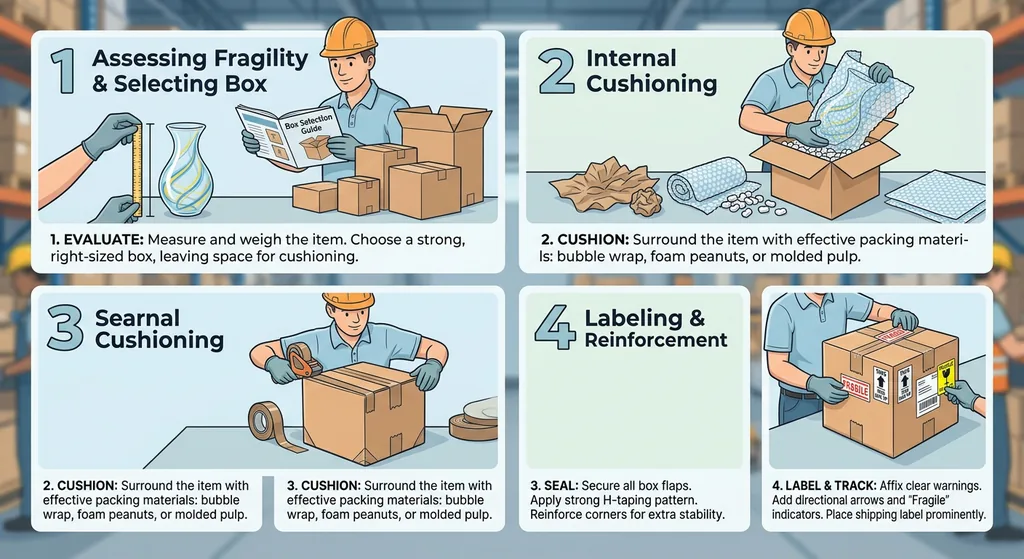
A fitted insert holds the product still. So the packaging soaks up impact, not the goods. It also lets you right-size the box, not over-pack with loose void fill. That trims dimensional-weight shipping costs too. For fragile or high-value items, an insert costs little.
It is far less than a single damaged return. Our dimensional weight guide and e-commerce packaging guide show how right-sizing and cushioning pair up.
Are eco-friendly inserts available?
Yes. Paperboard, corrugated, and molded-pulp inserts all go in the paper bin. They now often replace plastic foam. So you can protect the product without hurting a sustainable brand story. See our green packaging guide and our recyclable eco-friendly boxes.
Insert & protection guides worth reading
For a closer look at an insert topic, see our focused articles:
- Foam vs. paperboard inserts – which protects better.
- Protective packaging for fragile items – shipping delicate products.
- Molded pulp packaging – the eco foam alternative.
- Box dividers & partitions – packaging multi-packs.
Frequently asked questions about inserts
Do you make custom inserts to fit my product?
Yes. We build inserts to your product’s exact size with a free dieline. So the fit is snug and safe. No off-the-shelf compromise.
Which insert is best for fragile items?
Foam or molded pulp gives the tightest hold. It cushions best for glass, electronics, and other fragile goods. Corrugated inserts work well for mid-level guard.
Can inserts be eco-friendly?
Yes. Paperboard, corrugated, and molded-pulp inserts swap in for plastic foam. All three are recyclable. They fit brands focused on green claims.
Is there a minimum order for boxes with inserts?
Our minimum is just 100 boxes. There are no die or plate fees. Inserts are quoted along with the box.
What is a custom insert in packaging?
A custom insert is a die-cut piece that sits inside the box and holds the product in place. It is cut to the exact shape and size of what it carries – bottle, jar, palette, or a full multi-piece set. Common materials are paperboard, corrugated, foam, and molded pulp. Inserts stop shifting in transit, frame the reveal like a gift, and turn the open into a planned moment.
Why is a custom insert important for the unboxing?
The insert is the first thing a buyer sees when the lid lifts. A snug fit signals care and lifts perceived value. A printed interior turns the reveal into a share-worthy moment for social. Beyond looks, the insert also stops products from knocking against the box walls in shipping. That cuts returns and negative reviews. Good inserts are why unboxing videos exist.
How do I choose the right insert material for my product?
Match the material to the product. Fragile glass and electronics need foam or molded pulp for the tightest cushion. Cosmetics, jars, and multi-piece sets work well on die-cut paperboard for a premium, printable finish. Heavy or multi-packs suit corrugated inserts and dividers. Clean-beauty and green brands often pick molded pulp to swap out plastic foam.
What are the benefits of custom inserts over generic void fill?
Custom inserts protect better because they hold the product still, not just fill space. They read premium instead of "shipping department." They cut breakage returns and speed up your pack line since each product has a defined slot. And they turn a plain outer box into a branded reveal that drives social share.
Void fill still works for random-size fulfilment, but not for a curated retail unboxing.
Add custom inserts to your packaging
Related reading from OLX Packaging: how to create Instagram-worthy packaging.
Tell us your product and the box it goes in. We will design an insert that protects it and shows it well. You get a free dieline. No die or plate fees. A 100-box minimum. And an 8–10 day turnaround. New to packaging? Start with our beginner’s guide. Then request your free quote or contact our team.
Part of our mailer and shipping packaging guide — the pillar reference for every mailer and shipping topic on this blog.