Blog · By The Packaging Vista Team · June 20, 2026
E-Commerce Packaging: Mailers, Protection and the Unboxing
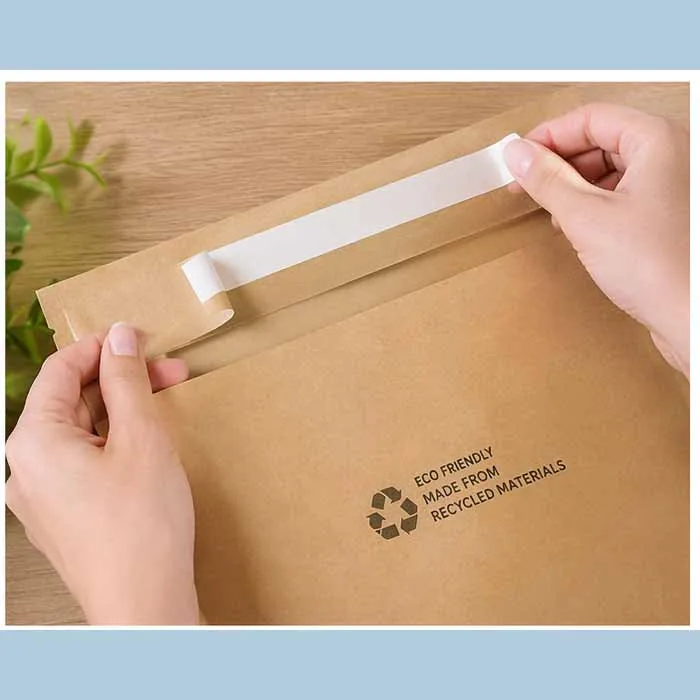
E-commerce packaging has a different job than shelf packaging. It travels alone. It takes a beating in transit. It gets opened by one buyer who may film it.
Good e-commerce packaging must guard the product through the carrier network. It must ship at the lowest possible dimensional weight. It must turn the unboxing into something a DTC buyer wants to keep or share. This guide goes deeper on the shipping side than our main retail packaging guide.
| Product weight | Recommended pack | Why |
|---|---|---|
| Under 1 lb | E-flute mailer or padded poly | Cuts dim weight; branded interior |
| 1–5 lb | B-flute mailer with insert | Cushions bumps; protects during transit |
| 5–15 lb (fragile) | Double-wall corrugated + fitted insert | Absorbs drops from carrier belts |
| Bulky low weight | Right-sized mailer, not stock RSC | Avoids dim-weight surcharge |
| Multi-item order | Corrugated shipper + branded inner cartons | Retail feel + carrier durability |
Why e-commerce packaging is different
A retail box competes for attention among many on a shelf. An e-commerce box is felt one-on-one. It also must survive the mail without a master carton around it. That shifts the priorities to protection, right-sizing, and the unboxing moment.
On a shelf, a thin printed carton is enough. A store stocks and shields it. In the mail, that same carton arrives crushed. Shipping packaging must assume rough handling, stacking, and drops as the default, not the exception.
The mailer box is the workhorse
A self-locking corrugated mailer box folds together without tape. It shields the contents with its wings. It ships flat. It prints well inside and out.
For most online brands it is the default. The double-wall front edge and tuck flaps give it crush resistance. The flat-pack profile keeps your storage and inbound freight cheap. For heavier or fragile goods, step up to corrugated boxes with a heavier flute.
Mailers also solve a branding problem. A plain brown box says nothing. A printed mailer carries your logo, colors, and message from the warehouse to the doorstep. The inside is seen the instant the box opens. So the interior print is prime real estate for DTC packaging.
Right-size to cut cost
Carriers now price by size as well as weight. So a box built to the product saves real money and cuts void fill. See how to measure for getting the sizes right.
An oversized box costs you three times over. More board. More void fill. A higher dimensional-weight charge from the carrier. Right-sizing also shields better. A snug fit leaves less room for the product to shift in transit.
- Measure the product, then add only the clearance you need for an insert or light cushion.
- Settle on a small range of mailer sizes so packing stays fast and steady.
- Match the box to the product, not the other way around. A custom dieline is free with us.
Protect the product
Inside the box, fitted inserts hold the product in place and stop transit damage. They also show it well. Our inserts and unboxing guide covers the options.
The choice between cushion materials is set out in our foam vs. paperboard inserts compare. For truly breakable goods, read our protective packaging for fragile items guide before you lock the build.
The goal is simple. The product should not be able to move. Movement is what causes damage, scuffs, and returns. A well-cut paperboard insert often does this better than a pile of loose fill. It also keeps the whole pack recyclable.
Make the unboxing a moment
Printed interiors, a tidy reveal, and a thank-you card turn a delivery into content buyers share.
In e-commerce, the box is a marketing channel, not just a container. The unboxing is the one physical touchpoint an online brand gets. Small details add up. Tissue, a branded sticker, a paced reveal where the product appears face-up.
- Print the inside of the mailer, not just the outside.
- Use custom tissue or a wrap to slow down the reveal.
- Add a card with a discount code or a QR link to nudge the next order. See QR codes on packaging.
Sustainability that customers notice
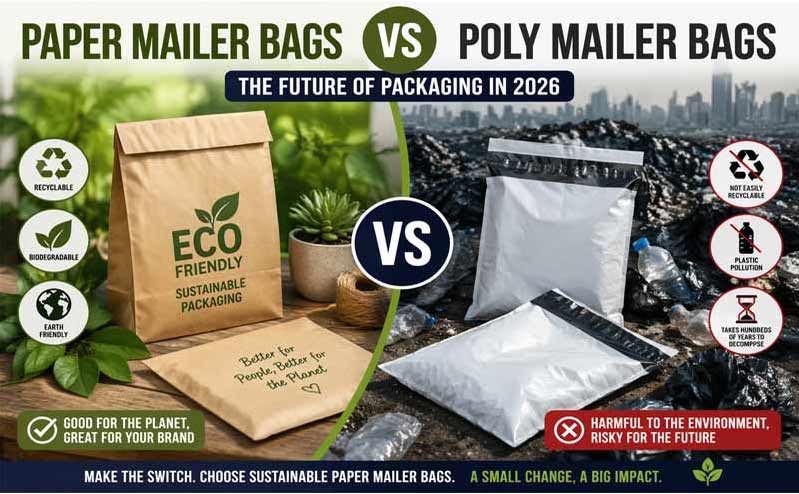
Online shoppers are quick to judge a brand on its packaging waste. Corrugated and paperboard are widely recyclable. Picking curbside-recyclable materials over plastic void fill is an easy win.
Our sustainable packaging guide and recyclable vs. compostable breakdown cover the trade-offs. Right-sizing is itself a green move. The smallest box that shields the product uses the least material and burns the least fuel in transit.
Subscription and repeat orders
If you ship on a recurring basis, the box is part of the moment every month. Reusable or resealable mailers, a steady look, and inserts that change with the season keep subscribers engaged. See our subscription box packaging guide for formats built around repeat shipments.
Choosing the right material and strength
Not every order needs the same box. A light, durable product like apparel can ship in a slim mailer. Anything with weight, hard edges, or glass needs a heavier corrugated build with a stronger flute.
Matching the board to the product is where damage rates and shipping costs are won or lost. Our corrugated shipping boxes guide explains flute grades. Our packaging materials guide covers the full range. So you can spec a box that lives through the network without overbuilding it.
- Light, soft goods – a printed mailer is usually enough on its own.
- Medium-weight or rigid items – a sturdier mailer or single-wall corrugated box.
- Heavy, fragile, or high-value goods – double-wall corrugated with a fitted insert.
Branding without overspending
A printed mailer is the most visible part of your brand. But you do not have to print every panel in full color to look polished.
A single brand color, a clean logo, and a printed interior often read as more premium than a busy full-bleed design. They also cost less.
Save premium finishes for a hero line if you sell a luxury product. Keep your everyday shipper simple and steady. The discipline of a tight, repeat look also makes reorders faster and cheaper. The art and dieline stay fixed across runs.
Frequently asked questions
What is the best box for shipping ecommerce orders?
For most online products, a self-locking corrugated mailer is the best pick. It needs no tape. It shields with its wings. It ships flat to save on storage. It prints inside and out. Heavier or fragile items step up to corrugated shipping boxes with a stronger flute.
How do I reduce shipping costs on packaging?
Right-size the box to the product to lower dimensional weight and cut void fill. Settle on a small set of sizes. Use a free custom dieline so the box matches the product exactly. See our guide to reducing packaging costs.
Can I print the inside of a mailer box?
Yes. Interior print is one of the strongest tools in DTC packaging. It is the first thing a buyer sees on opening. We print mailers inside and out with no die or plate fees, from a 100-box minimum.
What is the minimum order for custom ecommerce packaging?
We build custom mailers and inserts from a low 100-box minimum. With an 8–10 day turnaround and free design support and dieline.
Why is ecommerce packaging different from retail shelf packaging?
A shelf box competes for attention among many rivals and lives inside a store’s protection. An ecommerce box ships alone through the carrier network and gets opened one-on-one by the buyer. That flips the priorities to crush-resistant board, right-sizing for dimensional weight, and an unboxing moment. A thin printed carton that’s fine on a shelf arrives crushed in the mail.
What is the difference between a mailer box and a corrugated shipping box?
A self-locking mailer folds together without tape, ships flat, and prints beautifully inside and out – ideal for light to medium DTC goods and the branded unboxing. A corrugated shipping box uses heavier flute and is closed with tape, built for weight, fragile goods, or master cartons. Most brands use mailers for everyday orders and step up to corrugated for heavy or breakable products.
How much does custom ecommerce packaging cost?
Price depends on box size, board caliper, print coverage (one color vs full-bleed, inside plus outside), and quantity. At Packaging Vista, mailers start from a 100-unit minimum with no die, plate, or setup fees, and design, dieline, 3D mockup, and US shipping are free. That combination keeps the entry cost lower than most competitors even on small first runs.
Which mailer size is best for keeping shipping costs down?
The smallest one your product safely fits in, plus 1/2 to 1 inch clearance for a light insert or padding. Carriers now bill on dimensional weight, so an oversized box pushes you into a higher freight tier even for a light item. Settle on 3 to 5 mailer sizes that cover 80 percent of your orders and let a free custom dieline dial in the fit.
For more on this topic, see complete guide to e-commerce packaging from OLX Packaging.
Tell us your product and how it ships. We will suggest a mailer and inserts with a free dieline. Start with our full retail packaging guide, then request your free quote or contact our team.
Part of our mailer and shipping packaging guide — the pillar reference for every mailer and shipping topic on this blog.