Blog · By The Packaging Vista Team · June 20, 2026
Corrugated & Shipping Boxes: Strength, Flutes and Uses
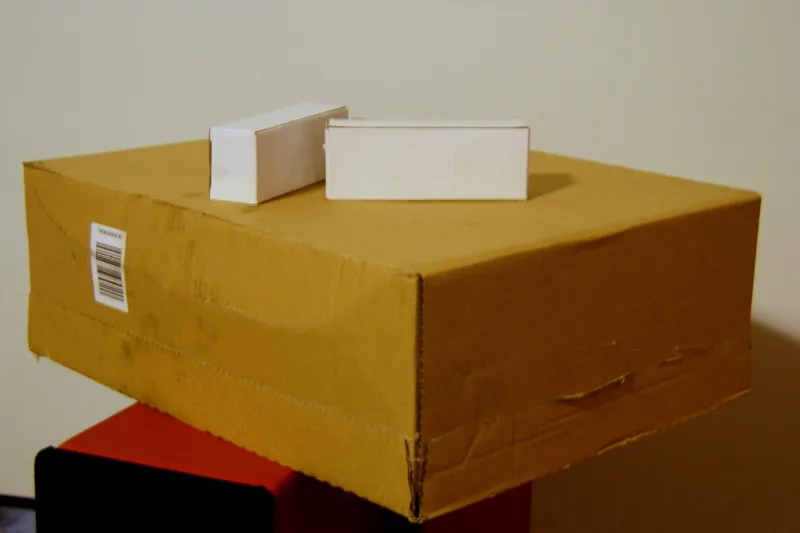
Corrugated board has a wavy, fluted layer between flat liners. That flute is what makes it strong and safe. It is the standard for shipping packaging, from single-item mailers to palletized cases.
If you ship anything heavier than a few ounces, corrugated is almost always the right call. Knowing the flute types, board grades, and die-cut options helps you pick a box that protects your product. You also avoid paying for material you do not need. This article goes deeper on corrugated than our box styles overview.
What is corrugated board?
Corrugated is fluted layers glued between two flat liners. The flute's air pockets soak up hits and resist crushing. That is why it guards heavy and fragile goods far better than flat paperboard.
It is also easy to recycle. Most of it is recycled fiber. So it fits brands that want a green option. Most everyday “cardboard” shipping boxes are corrugated. See cardboard boxes for the full range. And see our paperboard vs corrugated comparison if you are choosing between the two.
What are single, double, and triple wall?
Corrugated comes in a few builds. The number of layers sets how much weight the box can take.
- Single wall – one fluted layer between two liners; the most common pick for most online and retail orders.
- Double wall – two fluted layers for heavy items, long trips, or extra stack strength.
- Triple wall – the heaviest grade, used for big or dense loads.
Most brands never need more than single or double wall. We will suggest the lightest build that still guards your product. So you do not pay to ship extra board.
What are the flute types?
Flutes come in grades. Big flutes give more cushion and stack strength. Fine flutes give a smoother top for print. The right flute depends on your goal: safety or print quality. Here is a quick look at the common picks.
| Flute | Profile | Best for |
|---|---|---|
| C-flute | Medium | General shipping boxes – a balanced all-rounder. |
| B-flute | Fine | Die-cut boxes and good print; sturdy with a flatter surface. |
| E-flute | fine | Retail-quality print on a thin, protective board; mailers and cartons. |
| BC double wall | Heavy | Heavy or fragile products needing maximum protection. |
Want shelf-ready print and shipping strength in one box? Fine flutes like E or B let us print sharp art right on the board. Tell us your product and we will match the flute.
Corrugated vs. folding carton: which do you pick?
Choose corrugated for weight, shipping, and safety. Choose a lighter folding carton for light retail items that do not ship alone. Many brands use both: a retail carton inside a corrugated shipper.
A quick rule of thumb. If a product ships on its own by mail, it wants corrugated. If it sits on a shelf inside an outer box, a folding carton is fine. Our folding cartons and tuck boxes guide covers the lighter side.
What mailer boxes and shipping formats work?
Corrugated is the base of online shipping. The most popular format is the self-locking mailer box — our US mailer box guide walks through sizing, structure, and ordering. It folds flat, sets up with no tape, and shows a clean brand inside for the unboxing.
Regular slotted cartons (RSC) are the low-cost pick for general shipping. Die-cut shapes suit odd or high-end goods. See our self-locking branded mailer boxes page. See our mailer box sizes and standard box sizes guides for suggested sizes.
What about custom shapes and die-cutting?
Corrugated can be die-cut into custom shapes, mailers, and displays. Die-cutting lets us add windows, handles, locking tabs, and fitted inserts. These hold the item snug with no loose fill. See custom corrugated boxes for shipping and die-cut boxes in custom shapes.
For fragile goods, a die-cut insert is often the line between a box that arrives whole and one that does not. Our protective packaging guide walks through the options.
How do you print and finish on corrugated?
You are not stuck with a plain brown box. We handle custom printing on corrugated with both offset and digital, so a shipping carton doubles as a product branding surface. Run full-color brand art, a clean one-color logo, or anything between. Kraft liners give a natural, green look. White liners give a bright base for vivid color.
Matte or gloss film is on offer with finer flutes. We charge no die or plate fees. So even a custom-print mailer is in reach at our 100-box min.
How does shipping weight affect your box choice?
Carriers bill on dim weight as well as real weight. So a big box costs more to ship even when the item is light. Right-sizing your box trims both material and freight. It also cuts the void fill you need inside. Our dim weight guide shows how to work it out. Our cost-cut tips show where board choice saves money.
Frequently asked questions
What is the difference between cardboard and corrugated?
In everyday speech they mean the same thing. But most “cardboard” shipping boxes are corrugated. That is fluted board between liners. True flat cardboard, or paperboard, is thin stock used for things like cereal boxes and folding cartons.
Which flute should I choose for shipping?
C-flute is the go-to default for general shipping. B and E flutes suit die-cut boxes and sharp print. Double wall is best for heavy or fragile goods. Tell us your product weight and how it ships. We will pick the right one.
Can you print full color on corrugated boxes?
Yes. We print on the board with offset and digital. That works on kraft or white liners. Finishes are on offer with finer flutes. All with no die or plate fees.
What is the minimum order for custom corrugated boxes?
Just 100 boxes. Free dieline. Free design help. And an 8–10 day turnaround after proof approval.
Why is corrugated the standard for shipping boxes?
Corrugated is fluted board sandwiched between two liners. The wavy inner flute gives the box its column strength – the ability to hold weight stacked and absorb impact in transit. Kraft or paperboard alone would crush. That flute structure is why almost every ecommerce shipper, mailer, and pallet load in the US is corrugated, from single-wall for small parcels to double-wall for heavy freight.
How do I choose the right corrugated flute for my product?
Match flute to weight and end use. C-flute is the default for general shipping and medium-weight goods. B-flute suits die-cut mailers and sharp print. E-flute gives the finest print surface for retail-ready shippers. Double-wall (BC or AC) suits heavy or fragile items and long-haul freight. Tell us product weight, ship distance, and stack height and we suggest a spec.
How much does a custom corrugated shipping box cost?
Pricing is quote-based on flute, size, print, and quantity. Kraft liners cost less than white; single-wall costs less than double-wall; full CMYK print costs more than one-color. There are no die, plate, or setup fees. Minimum is 100 boxes and US shipping is free. Right-sizing your box also cuts dim-weight freight cost month after month, which often outweighs the per-box price.
Is a printed corrugated box worth it vs a plain brown shipper?
For DTC and subscription brands – yes. A printed corrugated mailer turns every delivery into free ad space and lifts the unboxing enough to drive social share. For fulfillment or wholesale where the box is just transit, a plain brown shipper is usually the smarter spend. Many brands run both – plain for master cartons, printed for retail-facing mailers.
How do you order custom corrugated boxes?
For more on this topic, see guide to corrugated shipping boxes from OLX Packaging.
Tell us your product, weight, and how it ships. We will suggest a board for your custom printed corrugated shipping boxes and build a free dieline. See the full box styles guide. Then request your free quote or contact our team.
Part of our mailer and shipping packaging guide — the pillar reference for every mailer and shipping topic on this blog.