Blog · By The Packaging Vista Team · June 20, 2026
Paperboard vs. Corrugated: Which Box Material Do You Need?
People call both “cardboard,” but paperboard and corrugated are different stocks for different jobs.
Getting the pick right matters. Pick wrong and your retail box is bulky or your shipping box gets crushed. This piece breaks down strength, print, cost, and shipping so you can match the right stock to your product. It is part of our packaging materials guide.
How do paperboard and corrugated compare?
| Paperboard | Corrugated | |
|---|---|---|
| Structure | Single solid layer | Fluted layer between liners |
| Strength | Light–medium | High, cushioning |
| Smooth, high quality | Good, slightly textured | |
| Best for | Retail cartons | Shipping & heavy goods |
What is paperboard?
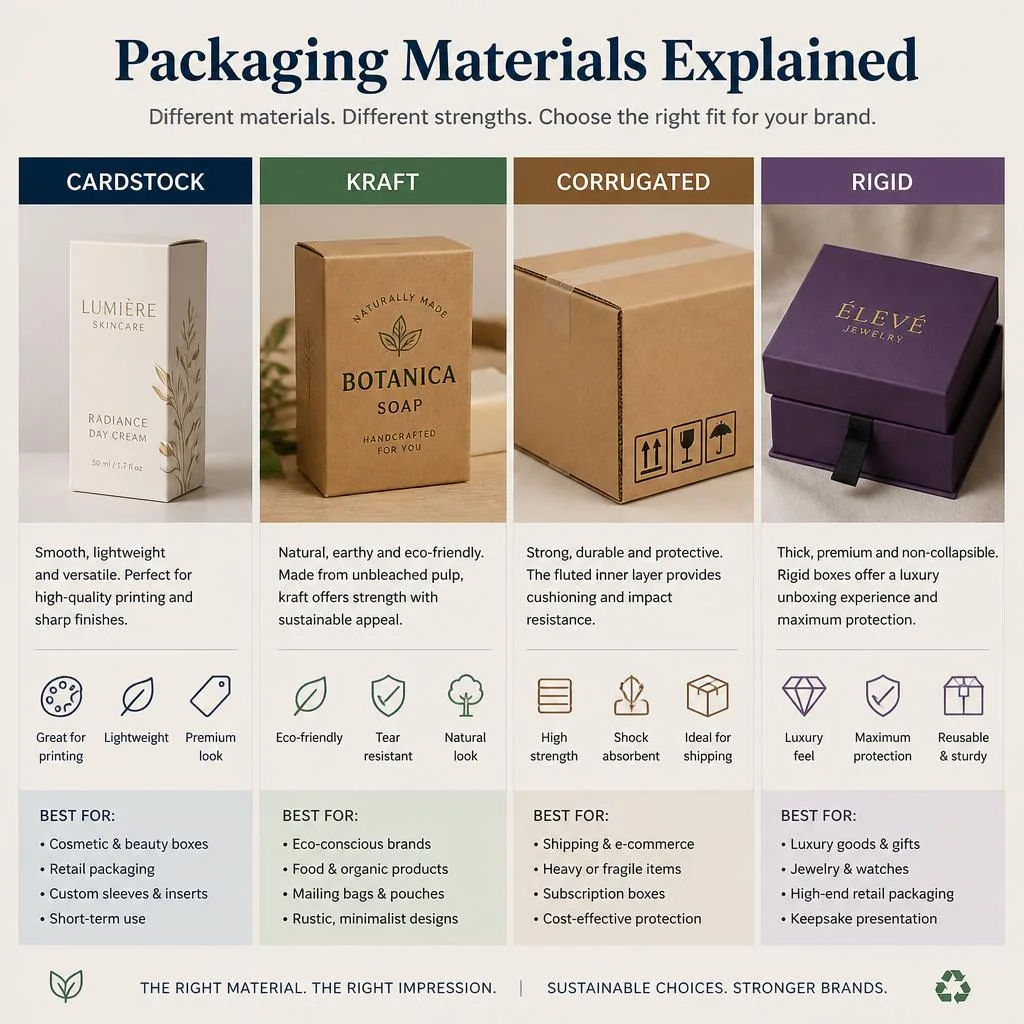
Paperboard (like SBS or kraft) is one solid layer of thick paper. It is light, prints great, and folds flat. That makes it a fit for retail cartons that sit on a shelf and need crisp graphics.
Its smooth surface is what makes fine print, foil, and embossing look sharp. Most beauty, supplement, and food cartons on a shelf are paperboard. See folding cartons for retail shelves.
What is corrugated?
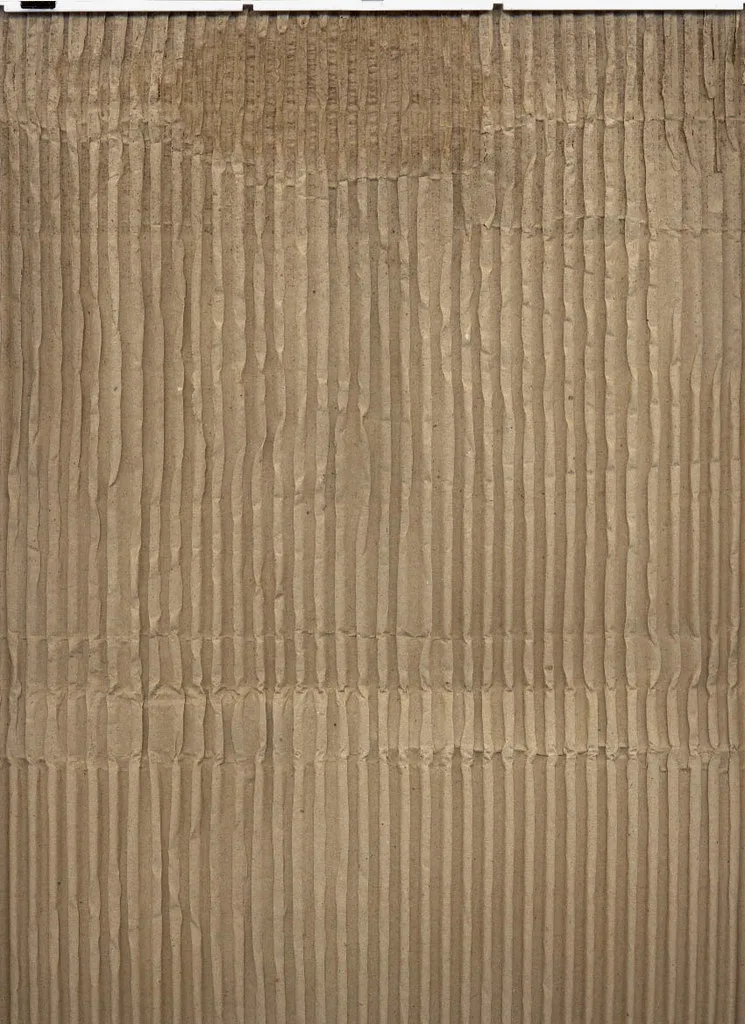
Corrugated has a wavy fluted layer glued between flat liners, That flute is what gives it strength and impact-resistance for shipping.
The air channels in the flute act like a built-in cushion. They soak up knocks and resist crushing in transit. Most everyday shipping “cardboard boxes” are corrugated. For the structure and flute detail, see our corrugated boxes guide, plus corrugated boxes built for shipping and cardboard boxes for everyday shipping.
Which is stronger?
This is the clearest split. Paperboard is stiff enough to hold a shape and guard a light item on a shelf. But it is not built for the stacking and rough handling of the shipping network. Corrugated is. The fluted core spreads impact and resists crushing. So a corrugated box can be stacked, shipped, and stored without giving way.
If your product is heavy, fragile, or ships on its own, corrugated is almost always the pick. If it sits inside a bigger shipper or on a shelf, paperboard is enough.
Which prints better?
Paperboard wins on finish. Its smooth surface holds fine detail, rich color, and effects like foil and spot UV. That is why it rules retail cartons. Corrugated prints well too. But its surface is a bit textured. The flute can show through on large solids. So it fits bold graphics and branding better than ultra-fine detail.
For a product whose box is its main marketing surface, paperboard gives the better shelf feel.
Which costs less?
Paperboard is lighter and folds flat. That keeps stock and shipping weight down for retail cartons.
Corrugated uses more paper to build its fluted core. So it weighs and often costs more per box – but that buys the guard a shipper needs. The real cost question is not which stock is cheaper in the abstract. It is which one matches the job. Under-building a shipper leads to damaged returns. Over-building a shelf carton wastes money and space.
How do you choose?
Does it ship on its own or guard a heavy item? Corrugated. Does it sit on a shelf as a retail box on a store shelf and need bright print? Paperboard.
Many brands use both. A printed paperboard carton inside a corrugated shipper. The retail box stays pretty. The outer box takes the abuse of transit. If you are unsure how thick to go on paperboard, our paperboard weight and thickness guide helps.
Quick decision checklist:
- Ships on its own? Corrugated.
- Sits on a retail shelf inside a bigger shipper? Paperboard.
- Heavy, fragile, or glass? Corrugated with fitted inserts.
- Foil, spot UV, or fine detail in the print? Paperboard.
- Product under 1 lb, low-drop risk? Paperboard folding carton.
- Premium unboxing with a printed outer & guarded inner? Both – paperboard inside a corrugated mailer.
Can you use both together?
The two stocks are not rivals so much as partners. A common setup is a printed paperboard carton or mailer showing the product, guarded inside a plain corrugated shipper for the carrier journey.
That gives the buyer a premium unboxing while keeping the product safe in transit. You spend print budget where it shows. You spend guard budget where it counts.
How sustainable is each material?
Both stocks are paper-based and widely recyclable. That is one reason cardboard is still an eco favorite over plastic. Corrugated is often made with a high share of recycled content. It is one of the most-recycled packaging stocks in use.
Paperboard is just as recyclable. Kraft grades carry a natural, unbleached look that backs an eco story. If eco is core to your brand, the pick is less about which stock is greener. It is more about calling out recyclable paper and skipping finishes that muddy recycling.
Our sustainable packaging guide goes into the trade-offs, and our eco-friendly boxes built with recyclable stock are built with these priorities in mind.
Which stock fits your product?
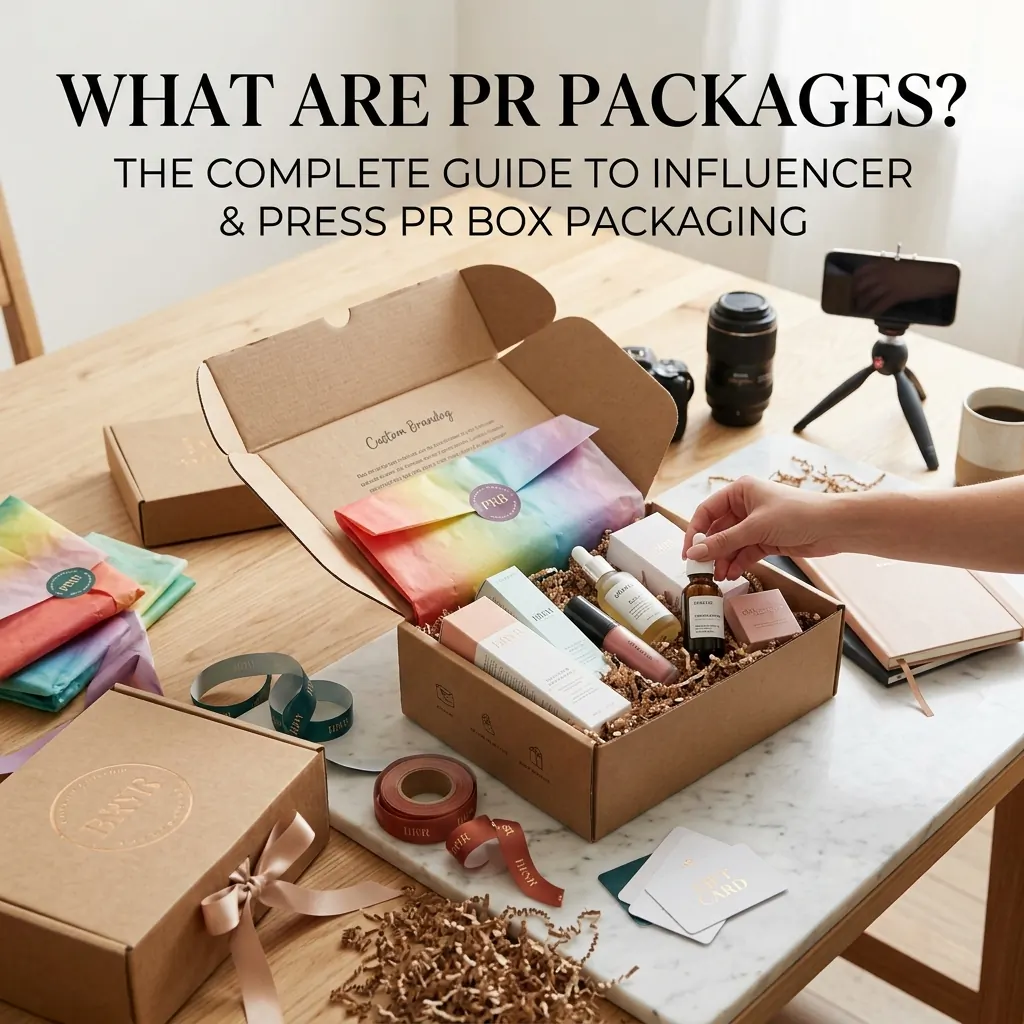
Think in groups. Beauty, supplements, candles, and most shelf goods use paperboard folding cartons. Print quality and a clean shelf look matter most. Subscription boxes and DTC orders that ship right to buyers lean on corrugated mailers. They last through the carrier network and still look branded.
Heavy, bulky, or fragile items – glassware, bottles, electronics – almost always need corrugated. Its flute soaks up shock. Premium hero items step past both into a rigid box for a luxe feel. Knowing your bucket often picks the stock for you.
Frequently asked questions
Is paperboard the same as cardboard?
Casually, people call both cardboard. Technically, paperboard is a single solid layer, while corrugated has a fluted core between liners. They suit different jobs.
Can I ship in a paperboard box?
For light items inside a guarded outer, yes. For shipping on its own or with heavy goods, corrugated is far more sturdy and crush-proof.
Which prints better, paperboard or corrugated?
Paperboard. Its smooth surface holds fine detail and premium finishes. Corrugated prints well for bold graphics, but its texture can show on large solids.
Should I use both materials?
Many brands do. A printed paperboard carton for shelf appeal, inside a corrugated shipper for guard. It is a smart way to get the best of both.
Why is choosing between paperboard and corrugated so important?
Because the two do fundamentally different jobs. Paperboard is a smooth single-layer stock built for print and shelf presentation – it can’t survive shipping alone with a heavy or fragile product. Corrugated has a fluted core that acts as built-in cushioning for transit but its ribbed texture shows through solid ink.
Pick wrong and your retail box is bulky and unprofessional, or your shipper crushes in transit and refunds start.
How do I choose between paperboard and corrugated for my product?
Answer two questions. First, does the box ship alone or sit inside a bigger shipper? Alone equals corrugated; inside a shipper equals paperboard is fine. Second, is the product heavy, fragile, or dense? Heavy or fragile equals corrugated. A folding carton for a lip gloss inside a mailer works; a folding carton for a wine bottle shipped bare doesn’t.
When in doubt, many brands use both: paperboard inside, corrugated outside.
How much does paperboard cost compared to corrugated?
Paperboard is usually cheaper per box at the same size because it’s a single solid layer with no fluted core. Corrugated uses more paper (two liners plus flute), weighs more, and often costs more per unit – but that buys the crush resistance a shipper needs. At Packaging Vista both run from a 100-unit minimum with no die or plate fees, so material choice is driven by function, not tooling cost.
Is it worth using both paperboard and corrugated together?
Yes for most DTC and gifting brands. A printed paperboard carton delivers the premium shelf feel, foil, and fine finishes buyers see on unboxing. A corrugated outer shipper absorbs the beating of the carrier network. You spend the print budget where it shows and the protection budget where it counts – and the buyer gets a premium unboxing with an intact product.
For more on this topic, see what cardboard is from OLX Packaging.
Tell us your product and how it travels. We will pick a stock and build a free dieline – with free design help, no die or plate fees, a 100-box minimum, and an 8–10 day turnaround. Start with our materials guide, then request your free quote or contact our team.
Part of our custom printed papers guide — the pillar reference for every custom printed papers topic on this blog.