Blog · By The Packaging Vista Team · June 20, 2026
Kraft Paperboard: Natural, Recyclable Packaging Material
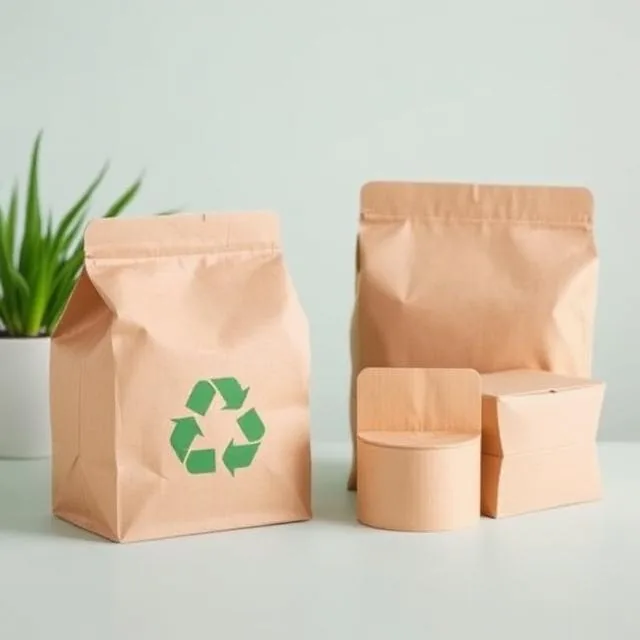
Kraft is an unbleached paperboard with a natural brown color and high tear strength. It is the material that signals an honest, eco-conscious brand.
This guide goes deeper on kraft paperboard as a material than our main packaging materials guide. It covers what it is, why it is strong and recyclable, how it prints, and when this natural packaging material beats white stock.
What is kraft paperboard?
Kraft paperboard is made by the kraft pulping process from long softwood fibers. That is what gives it strength and its signature brown tone.
The word “kraft” comes from the German word for strength. That is the whole point of the material. The fibers are cooked, not heavily broken down. So they stay long and lock into a tough sheet.
It is left unbleached. So kraft keeps its natural look. It is often made with recycled content too. It serves as both a box stock and a wrapping paper. See kraft boxes for natural brands and natural kraft wrapping paper for the two main formats.
Why is kraft strong and recyclable?
Kraft has high tear and puncture resistance for its weight. That is a big reason green and shipping-focused brands pick it.
The same unbleached, lightly processed fibers that make it brown also make it widely recyclable. Kraft is often recycled-content to begin with. Most curbside programs take it as paper and cardboard. Uncoated kraft can compost in many setups.
If green is central to your brand, start with our sustainable packaging guide and the compare in recyclable vs compostable packaging.
Kraft vs SBS: the core trade-off
The most common material choice in folding cartons is kraft versus SBS (solid bleached sulfate). Both are paperboards. But they pull a brand in different directions.
| Attribute | Kraft paperboard | SBS cardstock |
|---|---|---|
| Color | Natural brown | Bright white |
| Look | Rustic, organic, honest | Clean, vibrant, retail |
| Earthy tones, white ink, bold single colors | Full-color photos, gradients | |
| Best for | Natural, artisan, refill, eco brands | Beauty, premium retail, photographic art |
For the white side of this compare in depth, read our SBS cardstock guide and the wider paperboard vs corrugated overview.
How does kraft print?
The brown base shifts printed colors. So kraft suits earthy, natural palettes, not bright whites.
Inks on kraft are semi-transparent. That means the brown shows through and mutes everything. A red prints brick. A blue prints slate.
White ink and bold single colors work well. Many brands plan one- or two-color art to lean into that look. Full-color photos do not pop the way they do on white stock. If you need that, print on SBS.
That natural, slightly rustic print is exactly the appeal for artisan and clean brands. It pairs well with finishes like foil stamping and embossing and debossing. They read as premium against the matte brown.
What weight of kraft do you need?
Kraft comes in a range of calipers. From lighter cartons for cosmetics and food sleeves up to heavier board for sturdier retail boxes.
The right weight depends on your product’s size and how much guard it needs on the shelf and in transit. Our paper weights and thickness guide explains how caliper and GSM translate into stiffness. We will suggest a kraft weight matched to your product when we build your dieline.
When should you choose kraft?
Pick kraft paperboard for natural, organic, refill, and artisan positioning. Or for any brand that wants a quick eco signal at first touch.
It works well for soap, candles, coffee and tea, supplements, and bath products. These are categories where buyers expect a wholesome, low-processed feel.
Pick white SBS instead when bright, photographic print is the goal. Or when your category convention is glossy retail color. Many brands run both. Kraft for a core natural line and SBS for a premium or limited edition.
Where do brands use kraft?
- Folding cartons – tuck-end boxes for cosmetics, supplements, and food.
- Mailer and shipping boxes – corrugated kraft for e-commerce. See our mailer boxes guide.
- Wrapping and tissue – kraft paper for void fill, wrapping, and tags.
- Sleeves and bands – a simple kraft band over a product for a clean artisan look.
Should you coat kraft?
One choice shapes both the look and the end-of-life of a kraft box: whether to coat it.
A bare, uncoated kraft surface is the most recyclable and compostable. It gives that honest, paper-bag feel many natural brands want.
A light coating or laminate can boost scuff resistance. It also lets a finish like spot gloss sit cleanly. But heavy plastic lamination undercuts the eco message and can complicate recycling.
The middle path most artisan brands take is uncoated kraft with a single foil or emboss accent. Premium where it counts, recyclable everywhere else. If a curbside-recyclable pack is a must, keep the surface bare and let the natural board do the work.
Which finishes work with kraft?
Kraft has a quiet, earthy base that makes certain finishes shine.
Metallic foil – copper, gold, or black – pops hard against the matte brown. That is why so many premium-natural brands use a single foil logo over plain kraft.
Embossing and debossing read well. The relief catches shadow on the textured surface. White ink is a signature look on kraft. Clean type and line art stand out without fighting the brown.
Skip relying on bright process color or photos. Those are jobs for white stock. The discipline of kraft is part of its appeal. It pushes you toward simpler, more confident art.
Frequently asked questions
Is kraft paperboard recyclable?
Yes. Uncoated kraft is widely recyclable through standard paper and cardboard streams. It is often made with recycled content to begin with. Heavy lamination or plastic windows can complicate recycling. So keep coatings light if curbside recycling matters to you.
Can you print full color on kraft?
You can, but the brown base mutes and shifts colors. So photos and bright hues will not look as vivid as on white stock. Kraft is at its best with earthy palettes, bold single colors, and white ink. If you need vibrant photographic print, pick SBS.
Is kraft strong enough for shipping?
Yes. Strength is kraft’s defining trait. Corrugated kraft is a standard shipping material. Heavier kraft board makes sturdy retail boxes. We will match the weight to your product’s guard needs.
Kraft or white box for a beauty product?
It depends on positioning. Natural and clean-beauty brands often pick kraft for its honest signal. Prestige beauty usually goes white for vivid color and a luxe feel. Tell us your brand look and we will suggest a stock.
What are the benefits of using kraft paperboard for packaging?
Four main ones: it’s widely recyclable and often already contains recycled fiber, it delivers a natural handmade look no coated white stock can fake, it’s genuinely strong (corrugated kraft is the standard for shipping cartons), and it pairs beautifully with metallic foil, embossing, and white ink for premium accents.
For artisan, clean-label, and eco-positioned brands, it also signals values the recipe or product claims.
What is the difference between kraft and SBS paperboard?
Kraft is unbleached and brown with a natural texture – earthy, honest, and highly recyclable. SBS (solid bleached sulfate) is white, coated, and built for crisp full-color print – brighter colors, sharper photos, and a smoother luxe feel.
Kraft suits earthy palettes, single colors, and white ink art. SBS suits vivid brand colors, photographic imagery, and prestige beauty or food. Many brands run both across a line.
How much does a kraft paperboard box cost?
Kraft cartons typically run at or slightly below SBS at the same caliper because they skip the bleaching step. At Packaging Vista the floor is 100 boxes with no die, plate, or setup fees, and dieline, 3D mockup, design, and US shipping are free. Actual per-box price scales with size, board caliper (weight), print colors, and finish – a foil accent adds cost, uncoated white ink doesn’t.
Is kraft paperboard worth it for a premium brand?
Yes when the brand story is natural, artisan, or clean-label. Uncoated kraft with a single foil or emboss accent is one of the most identifiable "quiet luxury" looks in packaging – used across candles, soap, small-batch spirits, and clean beauty.
It also lets you make honest recyclable and often recycled-content claims that plastic-coated white stocks can’t. Skip kraft if your category expects glossy full-color shelf pop.
Related reading from OLX Packaging: what kraft paper is.
Tell us your product and brand look. We will suggest a kraft stock for your custom printed retail boxes and build a free dieline. Start with our materials guide, then request your free quote or contact our team.
Part of our custom printed papers guide — the pillar reference for every custom printed papers topic on this blog.