Blog · By The Packaging Vista Team · June 20, 2026
Mailer Boxes: The Complete Guide for E-Commerce
A mailer box is a self-locking corrugated box that folds together without tape. Guard wings lock the goods inside.
It is the go-to for e-commerce. It ships flat, sets up in seconds, lives through the mail, and prints well inside and out. From a roll-end tuck-front shape to a fully branded unboxing, the custom mailer box is the workhorse of DTC shipping. This guide goes deeper on mailers than our box styles overview.
How a mailer box is built
Most mailers use a roll-end tuck design. It is a one-piece corrugated blank that folds into a sturdy box with side wings and a front tuck flap. No glue or tape at the buyer’s end. It locks closed.
The corrugated board gives it strength and a bit of cushion for transit. The double-thick side walls made by the folding wings are what make a mailer tougher than a plain folding carton of the same size. It shrugs off the bumps of the mail path.
Mailer box vs shipping box
A mailer and a regular shipping carton solve different jobs. A mailer is a one-piece, self-locking box for light-to-medium products and a branded unboxing — see our US mailer box guide for ordering specifics. It needs no tape and looks polished inside and out.
A standard corrugated shipping box (a regular slotted carton) is taped shut and built for heavier or bulkier goods. When raw shipping packaging strength matters more than a printed reveal, that is the format. For most apparel, beauty, and sub-box shipments, the mailer wins on both guard-for-weight and brand feel.
When to use a mailer box
Mailers are the fit when you need:
- A branded, tape-free unboxing for DTC or subscription orders.
- Light-to-medium product weight – apparel, beauty, tech accessories, snacks.
- Flat storage so warehouse space is not lost to pre-made boxes.
- Full print inside and out for social-worthy photos.
- Snug fit around one product to control dim-weight cost.
- A single-parcel, one-buyer shipment, not a bulk case.
For heavy or fragile goods, a heavier corrugated shipping box may be better. See custom mailer box options. If your product is fragile, a mailer paired with a fitted insert handles it well. If it is heavy, step up to a double-wall shipping carton.
Corrugated grades for mailers
Mailers are usually made from single-wall corrugated. But the flute grade shifts feel and guard.
A fine E-flute gives a smooth surface for crisp print and a slim, luxe look. It fits cosmetics and apparel. A heavier B-flute adds cushion and stiffness for bulkier or more fragile goods. We will pick a grade based on what you ship and how much print detail your art needs. For the wider stock picture, see paperboard vs corrugated.
| Flute | Thickness | Print surface | Best for |
|---|---|---|---|
| E-flute | ~1.5 mm | Very smooth, holds fine detail | Cosmetics, apparel, small DTC |
| F-flute | ~0.8 mm | Smoothest, near-carton feel | Small retail-style mailers |
| B-flute | ~3 mm | Good, mild texture | Bulkier goods, subscription boxes |
| C-flute | ~4 mm | Textured, best for bold art | Heavy or fragile items |
Design it for the unboxing
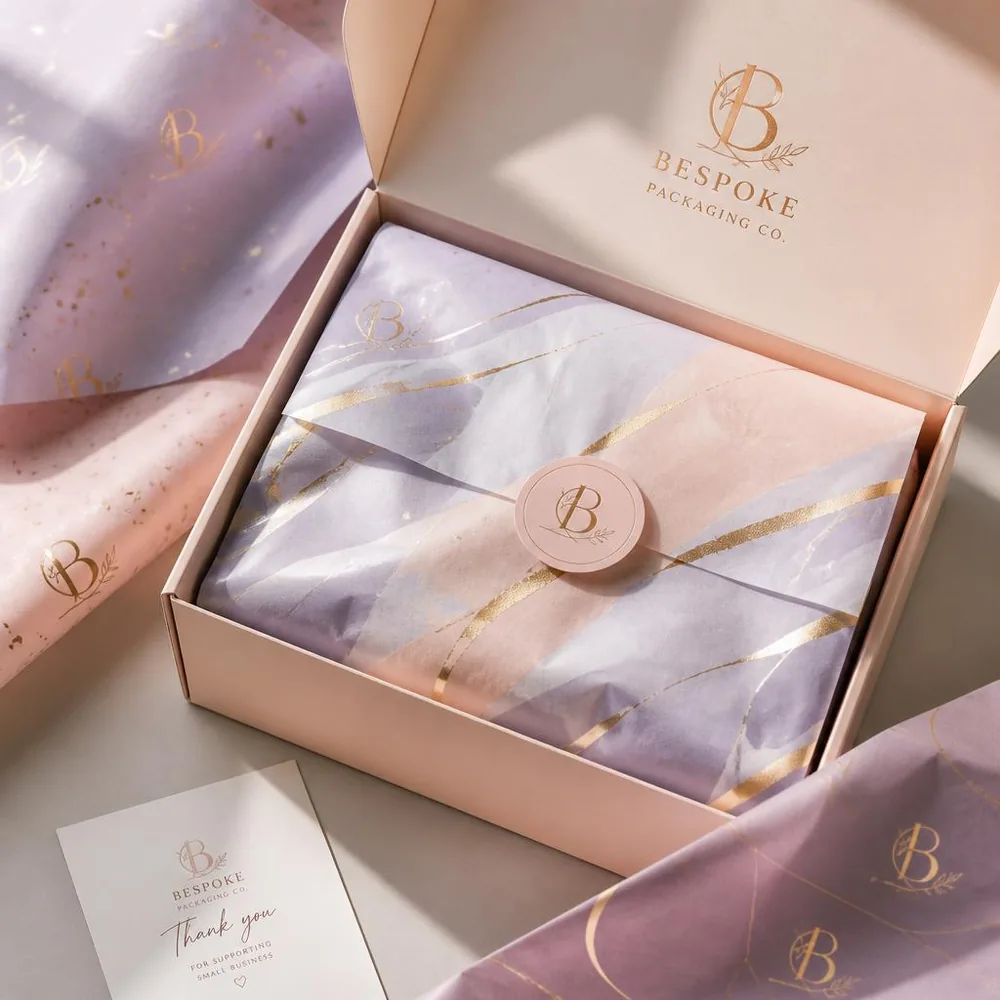
The inside of a mailer is prime branding space. A printed inside turns e-commerce packaging into a product branding moment the moment the lid comes up.
Add a fitted insert to hold the product and a thank-you card to top it off. A buyer who lifts the lid to a branded inside and a neatly cradled product is far more likely to photograph and share it. That is free reach for a DTC brand. Our inserts and unboxing guide covers this in depth.
Right-size to save
Mailers ship flat and price by size. So a box built to the product cuts cost and waste.
An oversized mailer wastes board, needs more void fill, and can push you into a higher shipping tier on dim-weight. A snug mailer guards better and costs less to make and ship. See how to measure, our dimensional weight guide, and our e-commerce packaging guide.
Sustainable mailer options
Corrugated mailers are among the most recyclable shipping formats. Plain kraft board recycles curbside. You can call for recycled content.
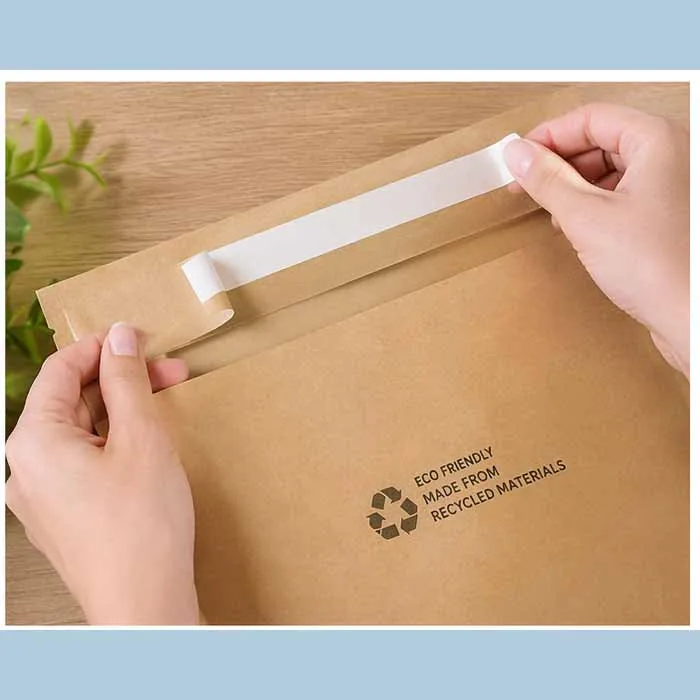
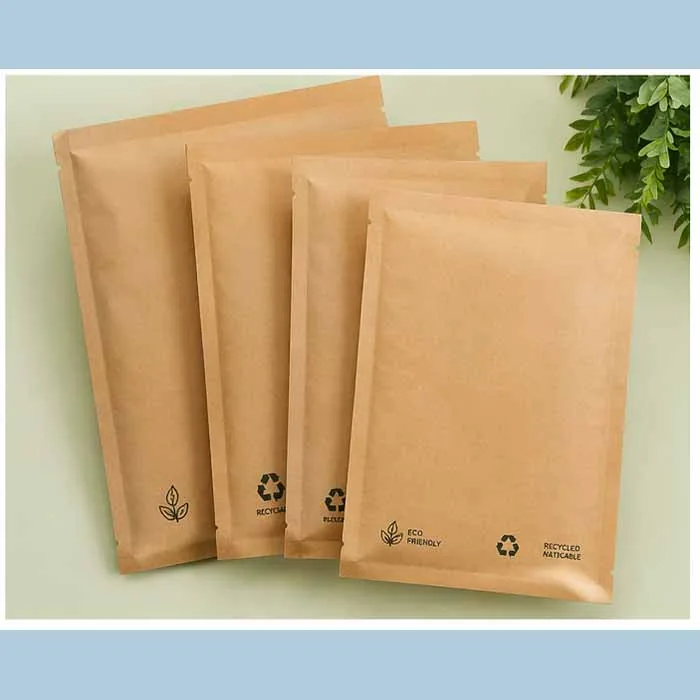
Print with water- or soy-based inks. Skip plastic tape (the self-locking design needs none). That keeps the whole pack curbside-friendly. For a paper option to padded poly, compare formats in our paper vs poly mailer bags guide and our sustainable packaging guide.
Printing inside and out
A mailer gives you two canvases. The best brands use both.
The outside carries the logo and guards the goods in plain sight on a porch or in a sorting hub. The inside is where the brand moment happens when the buyer lifts the lid. A printed inside – a pattern, a message, or a bold color – turns a brown box into an experience and costs little to add.
Some brands keep the outside quiet for safety and put all the flair inside. Others brand both heavily. Either way, the self-locking mailer is built to print clean across the whole blank. So your art wraps the box with no seams in the way.
Subscription and repeat-ship considerations
For sub-box brands, the mailer is the face of the product month after month. So a steady look and reuse matter.
A sturdy, snug mailer that lives through the round trip lets buyers reuse or easily recycle it. That backs a caring brand image.
Settle on one or two mailer sizes across your range. It simplifies picking, lowers per-unit cost via bigger reorders, and keeps the unboxing familiar to loyal buyers. Pair the box with a swap-in printed insert or card. So you can refresh the season message without a new carton. For the wider format, see our e-commerce packaging guide.
Frequently asked questions
Do mailer boxes need tape?
No. A roll-end tuck mailer is self-locking. The front flap tucks in. The side wings hold it closed. So no tape or glue is needed at the buyer’s end.
Can I print the inside of a mailer?
Yes. The interior is prime branding space, and a printed inside turns the open into an unboxing moment. We print both inside and out.
Are mailer boxes strong enough to ship?
Yes, for light-to-medium products. The corrugated board and double-thick walls guard the goods through the mail. For heavy or bulky goods, a regular slotted shipping carton is better.
What is the minimum order for custom mailers?
100 boxes, with no die or plate fees and free design plus a dieline. Pricing is quote-based on size, board grade, and count, with an 8–10 day turnaround.
What is the difference between a mailer box and a shipping box?
A mailer is one-piece, self-locking, and made for light-to-medium DTC shipments with a branded inside. A regular slotted shipping carton is a two-piece taped box built for heavier or bulkier goods. Mailers ship flat and set up in seconds; shipping cartons need tape and are usually plain kraft. For most apparel, beauty, and sub-box products, the mailer wins on both feel and dim-weight cost.
How do I choose between E-flute and B-flute for a mailer?
Pick E-flute when print detail and a slim luxe look matter – cosmetics, apparel, and small tech fit here. Pick B-flute when the product is heavier or fragile and you need extra cushion – candles, ceramics, and multi-piece kits do better here. E is thinner and smoother; B is thicker and stiffer. We recommend a grade based on your product weight and your art detail.
Are custom mailer boxes worth it over plain kraft shipping cartons?
For DTC brands, yes. The unboxing moment is now part of the product, and a mailer with printed interior turns delivery into shareable content that plain kraft cannot. Same corrugated protection, same shipping cost, but the box itself becomes marketing. At our 100-box minimum with no die or plate fees, the upcharge is small and pays back in social reach and repeat orders.
For more on this topic, see mailer boxes vs shipping boxes comparison from OLX Packaging.
Tell us your product and size. We will build a mailer with a free dieline – no die or plate fees, from a 100-box minimum. See the full box styles guide, then request your free quote or contact our team.