Blog · By The Packaging Vista Team · June 20, 2026
Custom Food & Beverage Packaging: A Safety, Materials & Design Guide
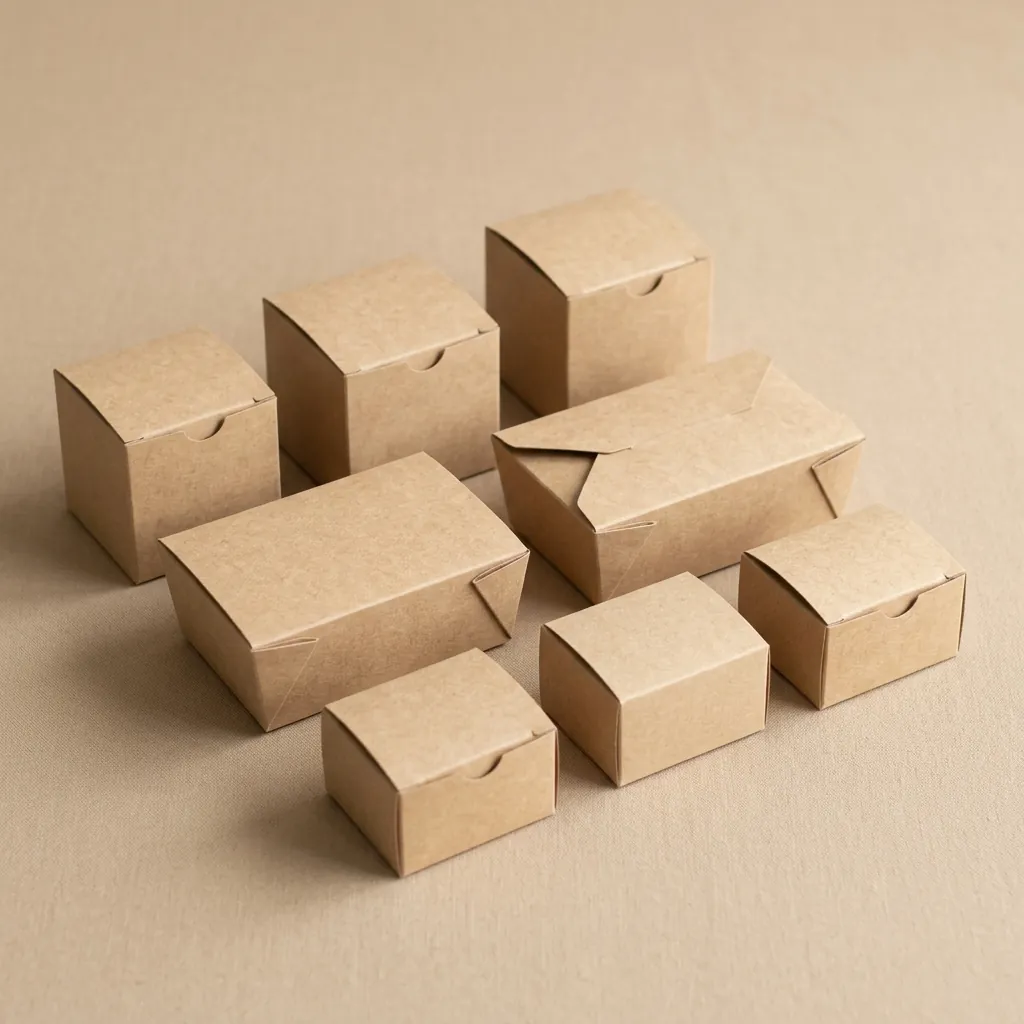
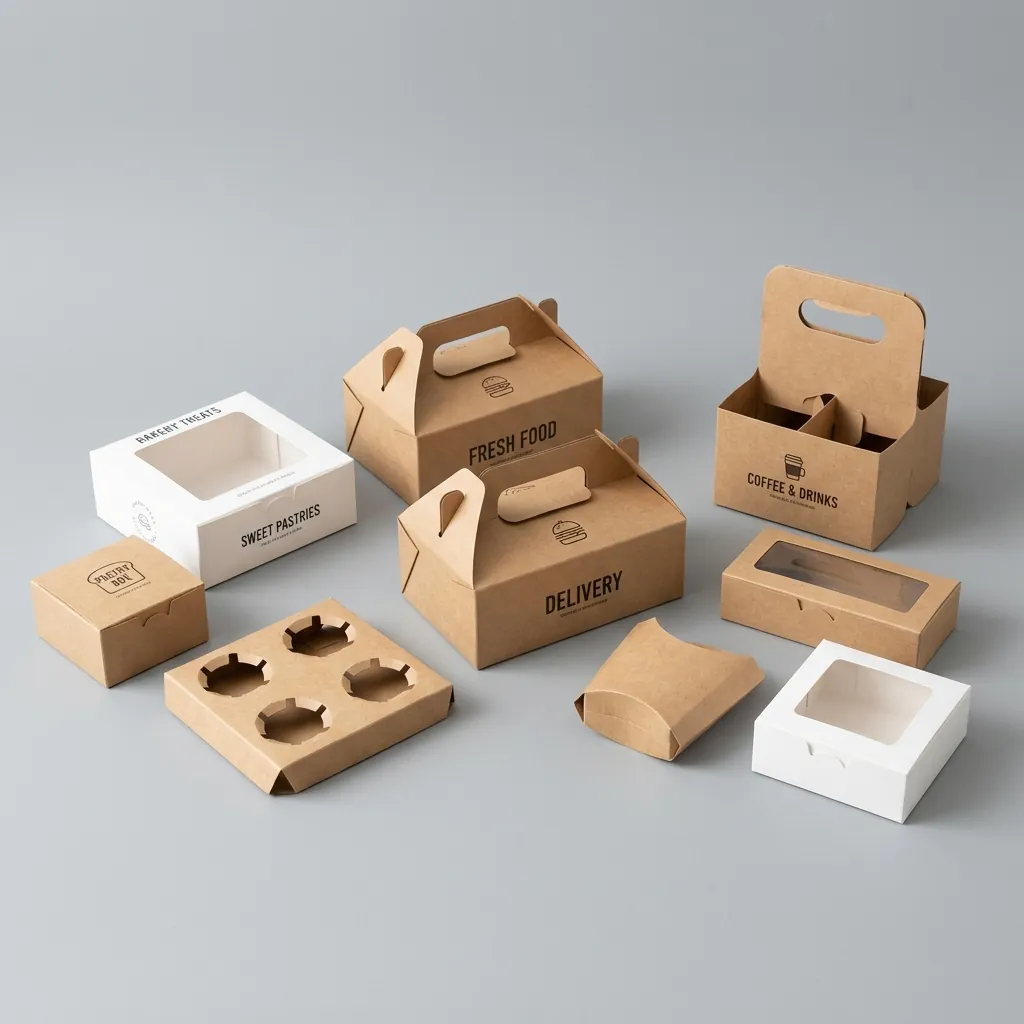
Custom food and drink packaging is brand-printed packs built for things people eat and drink. It uses food-safe stocks that keep foods fresh and show the brand.
Food packaging clears a higher bar than plain boxes. It touches what people eat. So the stock, inks, and coats all have to be food-grade. Packaging Vista makes custom food and beverage boxes on FDA-safe stocks. There are no die or plate fees. The minimum is 100 boxes. Build time is 8–10 days.
Key takeaways
- Safety first: use FDA-safe, food-grade stocks and food-safe inks for anything that touches food.
- Match the barrier to the food: grease and damp-block coats keep oily or wet items from soaking through.
- Guard in transit: the right build stops cakes, bottles, and pastries from shifting and breaking.
- Get started: ask for a free quote with your product, size, and form.
What is custom food packaging?
Custom food packaging is printed and built for one food or drink. That could be a pastry, a bottle, or a cereal box. It is not a plain stock carton. “Custom” covers the size, the shape, the food-safe stock, and the printed art.
Because it touches what people eat, packaging design has to balance brand look with real food-safe use and with product protection through delivery. See the full range on our food & beverage boxes page.
Is food packaging food-safe?
It has to be. Packs that touch food must use food-grade stocks and food-safe inks that meet FDA rules. Two rules matter most:
- Food-grade stock and inks. We print on food-safe SBS cardstock and kraft with food-safe, low-migration inks for direct-touch uses.
- The right barrier for the food. Oily, hot, and wet foods need grease-block coats or damp-block layers so the box holds up and stays clean.
This guide is broad info, not legal advice. Check current FDA food-safe rules for your product before you print.
What box styles work for food and beverage?
The right build depends on the product. The table below maps common food and drink items to a good custom box.
| Product | Best pack style |
|---|---|
| Pastries & baked goods | Grease-resistant cartons, often with a window; see custom printed bakery boxes. |
| Cakes | Sturdy, tall cartons that protect tiers and frosting; see sturdy custom cake boxes. |
| Cupcakes & muffins | Insert-fitted boxes that hold each cup in place; see insert-fitted custom cupcake boxes. |
| Bottled & canned drinks | Divided cartons that secure glass and cans; see divided custom beverage boxes. |
| Cereal & dry goods | Printed retail cartons with strong shelf presence; see printed retail cereal boxes. |
| Takeout & hot food | Leak- and grease-resistant folded cartons; see grease-resistant Chinese takeout boxes. |
| Chocolate & confectionery | Premium or windowed boxes with inserts; see premium windowed chocolate boxes. |
What materials are food-safe for packaging?
Three stocks cover most food and drink SKUs:
- Food-grade SBS cardstock – bright, smooth, and print-ready in vivid color for retail cartons.
- Kraft – reads plain and clean for organic and artisan brands.
- Corrugated – adds strength for heavy items, shipping, and drinks.
All are printed with food-safe inks. Grease-block or damp-block coats can be added where the product needs them.
How do you keep food fresh and protected in transit?
Food packs have to hold up to handling, heat, and damp. A few useful steps:
- Grease and damp-block layers keep oily and wet foods from soaking through the carton.
- Right-sized dielines and inserts stop bottles, cakes, and pastries from shifting and breaking.
- Strong stock – corrugated for weight and shipping, cardstock for retail shelf look.
If you only have a logo, our free design team will build a food-safe, print-ready dieline around your product. Just describe it on your quote request.
How do you handle labeling and shelf appeal?
Packed food carries info the buyer expects. In many cases, rule-makers need it too. That covers the product name, net weight, parts list, allergens, and nutrition. Plan panel space for these next to your branding. So nothing gets crowded out when the art is locked in.
Past the legal must-haves, the front panel is where you win the shelf. Tempting food photos, a clear flavor or type callout, and steady brand colors help a shopper find and trust your product in a busy aisle. We lay out the needed text and the brand story on your free dieline.
Is sustainable food packaging possible?
Yes. And it lands well with today’s clean-label shoppers. Recyclable kraft and paperboard, soy inks, and right-sized boxes all cut waste. They lower a product’s footprint. And they back up a plain food story. Start with our recyclable eco-friendly food boxes or plain recyclable kraft boxes. Ask us to match a recyclable, food-safe stock to your product.
Where can you dig deeper on food packaging?
This guide is the broad view. For a deeper look at any part, see our short guides:
- Food-safe packaging – food-grade stocks, inks, and grease or damp-block layers.
- Food packaging by product – boxes for bakery, takeout, drinks, and more.
- Bakery packaging – boxes for cakes, cupcakes, and pastries.
- Sustainable food packaging – eco picks that stay food-safe.
- Custom frozen food boxes – cold-chain and freezer-safe packs.
- Custom cereal boxes for whole-grain brands
Frequently asked questions about food packaging
Are your food boxes safe for direct contact with food?
Yes. We print on FDA-safe, food-grade stocks with food-safe inks. We add grease or damp-block layers for items that need them.
Can you make boxes for both dry foods and bottled drinks?
Yes. We build dielines for all sorts — from dry food cartons to drink boxes with dividers for bottles and cans. So one brand can pack a full line with one look.
What is the minimum order and turnaround?
Just 100 boxes. No die or plate fees. Standard build runs 8–10 work days after proof sign-off. Plus free US shipping.
Do you offer grease-resistant options for hot or oily foods?
Yes. Grease-block coats and strong stocks work for fried foods, bakery items, and takeout. They keep the box clean and strong.
Why is food-grade stock important for food packaging?
Anything that touches food must not migrate chemicals into it. Food-grade SBS cardstock, kraft, and corrugated are produced without recycled fibers that could carry inks or contaminants, and are approved under FDA food-contact substance rules. Standard stocks can shed inks or coatings into oily or moist foods, triggering recalls and health complaints.
Food-grade is the base spec for any pack that touches the product directly.
How do I choose the right food box for my product?
Match the format to what you sell and how it is served. Grease-resistant windowed cartons for bakery; tall sturdy cartons for cakes; insert-fitted boxes for cupcakes; divided cartons for bottled drinks; printed retail cartons for cereal; leak-and-grease-resistant folded cartons for hot takeout; premium windowed boxes with fitted trays for chocolate.
Then pick barrier and stock to fit the food’s grease, moisture, and temperature profile.
What are the benefits of custom food packaging over stock cartons?
Custom sizes cut void space and damage rates – a cake that fits snug is a cake that arrives level. Printed brand cues turn every box into a marketing piece. Barrier and stock match the food, not a generic average. Compliance panels are built into the dieline so ingredient, allergen, and net-weight copy is legible.
And at a 100-box minimum with no die fees, custom is reachable for small bakeries and food brands, not just national ones.
What is the difference between a food-safe carton and a plain shipping box?
A food-safe carton uses food-grade paperboard or kraft, food-safe inks, and grease or moisture barriers rated for the product – safe for direct or indirect contact with food. A plain shipping box is corrugated with standard liners and inks that may not be cleared for food contact.
Many food operations use both: a food-safe retail carton for the product, a plain corrugated master case to ship the retail cartons to the store.
Which food box format is best for takeout and delivery?
PFAS-free grease-and-leak-resistant folded cartons – usually a Chinese takeout style, a tuck-top clamshell, or a printed pizza-style box depending on the dish. The carton must resist grease and moisture at hot temperature, hold its shape in a delivery bag, and close securely so sauce does not leak. Print the brand on the outside where the customer sees it when the bag opens.
How much does custom food packaging cost?
Pricing is quote-based on size, stock, barrier, and quantity, with no die, plate, or setup fees at the 100-box minimum. Uncoated kraft bakery cartons are the low-cost entry. Grease-resistant PFAS-free coatings add a small premium. Divided beverage cartons and windowed confectionery boxes with fitted trays sit at the higher end.
A small bakery can launch a branded line at 100 units without warehouse-scale spend.
Is custom food packaging worth it for a small food brand?
For any brand selling packaged or wrapped food – bakery, specialty snacks, takeout, drinks – yes. Stock cartons look generic on shelf and in delivery bags, waste space that shifts and breaks the product, and rarely fit compliance copy cleanly.
A custom pack at 100 units earns shelf recognition, cuts damage, and turns the box into part of the brand story. The unit-cost gap is small, and the marketing value is real.
How do you order custom food packaging?
Send us your product, its size, and the form you need. We send back a quote with no die or plate fees. We include a free dieline and 3D mockup. We make your boxes in 8–10 days after proof sign-off. All from a low 100-box minimum.
For more examples, browse these custom food box styles from OLX Packaging.
New to packaging? See how it shifts across trades in our packaging by industry guide. Then request your free quote or contact our team.
Related guides in this topic cluster
- Custom Printed Papers: Food-Safe Wraps, Liners and Tissue
- Food Wrapping Papers: Butcher, Deli, Parchment and Wax
- Cake Box Sizes: A Guide for Bakeries
- Custom Food Boxes in the USA: How to Source From a US-Based Packaging Partner
- Custom Beverage Boxes in the USA: How to Source From a US-Based Packaging Partner
- Custom Chinese Takeout Boxes in the USA: How to Source From a US-Based Packaging Partner
- Deli Paper, Butcher Paper, and Sandwich Wraps: A US Food-Service Buyer's Guide
- Custom Cereal Boxes: Styles, Dimensions, Food-Safe Materials & Printing Costs
- Custom Popsicle and Ice Cream Packaging: Wrappers, Boxes, Materials & Where to Order in Bulk