Blog · By The Packaging Vista Team · June 20, 2026
Food-Safe Packaging: Materials, Inks and Barriers Explained
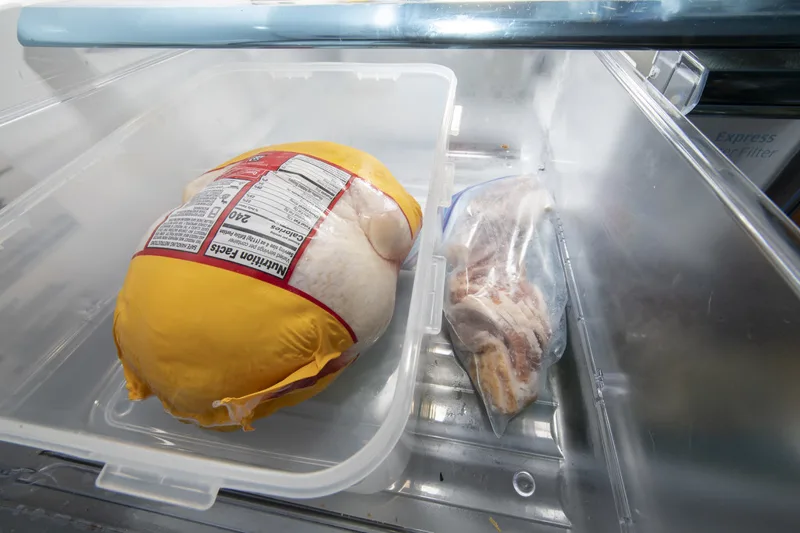
Food packaging clears a higher bar than regular boxes. It touches what people eat.
Food-safe packaging means food-grade stock, food-contact-safe inks, and the right grease or moisture barrier for the product. This runs across all your food & beverage boxes.
FDA food rules keep evolving. The PFAS-free shift is moving fast. Getting this right keeps your pack safe and strong. This article goes deeper on food safety than our main food packaging guide. Direct-contact packaging must meet U.S. food-safety rules – see the FDA on food-contact substances.
| Material | Direct-contact rule | Typical uses |
|---|---|---|
| SBS paperboard | FDA 21 CFR 176.170 compliant | Cereal, retail cartons, ice-cream |
| Kraft (uncoated) | Compliant when unwaxed | Butcher paper, bakery liners |
| Corrugated with PE coating | PE film blocks grease/moisture | Pizza boxes, takeout clamshells |
| Wax paper | Food-safe; not microwave | Sandwich wrap, deli sheets |
| Foil-lined (aluminum) | Food-safe; holds heat | Hot burger / breakfast wraps |
| Glassine / parchment | FDA-compliant; grease-proof | Baked goods, cheese, chocolates |
What makes packaging food-safe?
Food-safe packaging uses stock and inks that are cleared for food contact. They will not shed harmful bits into the food.
In the U.S., the FDA rules food-contact substances. Compliant packs use food-grade board with low-migration, food-contact-safe inks.
There is a gap between direct contact (the food touches the box) and indirect contact (a wrapper or inner bag sits between). It changes which stock and inks you need.
Direct vs. indirect contact
This split drives most of the spec. If the food sits right against the board – a pastry in a bakery box, fries in a carton – every surface it touches must be food-grade. That covers any coating and the inks on a printed inner surface.
If a barrier sits between the food and the box – a wrapped bar, a sealed pouch, a lined tray – the outer carton is in indirect contact. It has more leeway. The inner layer is the real food-contact surface.
Knowing which case you are in tells you where food-grade rules apply and where standard print is fine.
Food-grade materials
- Food-grade SBS cardstock – bright, smooth, and common for retail food cartons. See our SBS cardstock guide.
- Kraft – a natural, recyclable pick for bakery and artisan food. See our kraft paperboard guide.
- Corrugated – strength for shipping and heavier items. See corrugated boxes for heavier items.
The stock is the base. Food-grade SBS gives a clean white print surface for retail cartons. Kraft gives a natural look for artisan and bakery brands. Corrugated brings the strength to ship heavy or bulk food safely. Each can be made food-safe with the right coating and inks for the contact type.
Food-contact-safe inks
Inks matter as much as the board. Food-contact-safe, low-migration inks are built so their parts do not seep through the stock into the food.
For many retail products, print sits on the outer surface and never touches the food. But for items in direct contact – or where ink could seep through thin board – the ink pick is part of the rules. We print with food-contact-safe inks and suggest the right setup for each product. So the art never turns into a safety question.
Grease and moisture barriers
The barrier must match the food. Oily and fried items need grease resistance. Wet or chilled items need a moisture barrier.
These coatings keep the box clean and strong. A takeout carton must not soak through. A bakery box must hold its shape.
Without the right barrier, even a food-grade box fails in use. Grease wicks into bare board and weakens it. Steam from a cold or hot item softens the structure.
Matching the barrier to the food is the gap between a pack that holds and one that flops on the counter. For the paper side, see our greaseproof vs. wax vs. parchment comparison and food wrapping papers guide.
The PFAS-free shift
Grease resistance used to come from PFAS chemistry. But the FDA and a growing list of states are phasing PFAS out of food packaging.
The current best practice is PFAS-free grease-resistant options. So ask for them when your product needs a grease barrier. It keeps you ahead of shifting rules.
Beyond rules, PFAS-free coatings are a selling point for brands that pitch as clean or green. They also cut the risk of a reformulation later, when more states tighten their rules. If green is a priority, our sustainable food packaging guide covers recyclable and compostable barrier options.
Matching the box to the product
The simplest way to spec a food-safe pack is to state the food and how it is served. Then work back to the stock, ink, and barrier.
A dry retail product like cereal needs little more than a printed food-grade carton. A saucy Chinese takeout dish needs a leak- and grease-resistant carton. A chilled item needs a moisture barrier. Our food packaging by product guide maps common formats to the right structure. So you start from the correct base before adding the barrier.
Labeling and compliance copy
Food-safe packaging is not only about the stock. The printed copy carries weight too.
Based on the product, the carton may need an ingredient list, allergen notes, net weight, and the maker’s name and address. All in clear type at the needed sizes.
Getting this onto the dieline early avoids a redesign later. Compliance copy often needs more room than brands expect. We lay out the panels with the legal copy in mind. But the duty for the exact claims and statements stays with you and your regulatory advisor. Building the box around both the food and the label from the start keeps the whole pack honest and clean.
How we keep food packaging safe
Our process starts with the contact type and the food. Then we spec the stock, ink, and barrier to match.
We print on food-grade SBS, kraft, or corrugated with food-contact-safe inks. We add PFAS-free grease or moisture barriers when the product needs them. We proof the job before the run. So you can check the copy and layout.
Every order comes with a free dieline, no die or plate fees, a low 100-box minimum, and an 8–10 day turnaround. So even a careful, compliant food carton stays fast and cheap to make.
This article is general info, not legal advice. Check current FDA and state food-contact rules for your product before you print.
Frequently asked questions
Are your food boxes safe for direct food contact?
Yes. We print on FDA-compliant, food-grade stocks with food-contact-safe inks. We add grease or moisture barriers for items that need them.
Can I get grease-resistant boxes without PFAS?
Yes. PFAS-free grease-resistant options are on offer. That keeps your packaging ahead of tightening FDA and state rules.
Do printed inks touch the food?
We print with food-contact-safe, low-migration inks. For many products, the print sits on the outer surface. We will suggest the right setup for direct-contact uses.
What is the difference between direct and indirect food contact?
Direct contact means the food touches the box itself. So every touching surface must be food-grade. Indirect contact means a wrapper or inner bag sits between the food and the box. That gives the outer carton more leeway. The contact type sets which stock and inks you need.
What is food-safe packaging in plain English?
Food-safe packaging uses stock, inks, coatings, and barriers that are cleared for food contact. It will not shed harmful bits into what you eat. In the U.S. the FDA rules food-contact substances. Compliant packs use food-grade board (SBS, kraft, corrugated), low-migration inks, and PFAS-free grease or moisture barriers where the product needs them.
Why is food-safe packaging important beyond compliance?
Because the box is the last line of defense between food and the buyer. The wrong stock or ink can migrate into the product, foul taste, or fail an audit. Wrong barriers let grease bleed through and stain print. That damages both safety and brand trust. Getting food-safe right also unlocks retail listings – grocery chains and audit programs check documentation.
How do I choose the right food-grade material for my product?
Match stock and barrier to how the food behaves. Dry, shelf-stable items run on standard food-grade SBS or kraft with no extra barrier. Greasy or fried foods need a PFAS-free grease-resistant board. Moist or chilled items need moisture tolerance. Heavy or bulk food ships on corrugated. Tell us the product, serving temperature, and shelf life – we spec the stock and inks to match.
How much does food-safe packaging cost vs standard boxes?
Food-grade SBS and kraft cost only a small step above standard stock. PFAS-free grease-resistant coatings add more per box. Moisture-barrier liners add a bit more still. There are no die, plate, or setup fees. The minimum is 100 boxes and US shipping is free. Send the food type, size, and quantity for a same-day quote that prices the food-safe path against a standard alternative.
Get food-safe packaging
You can also see custom takeout boxes at OLX Packaging for more layout ideas.
Tell us your product and how it is served. We will suggest food-safe stock and barriers with a free dieline. Start with our full food packaging guide, go product-specific with our custom cereal boxes guide, or dive into paper options in our custom printed papers guide, then request your free quote or contact our team.