Blog · By The Packaging Vista Team · June 20, 2026
CBD Child-Resistant Packaging: Requirements and Options
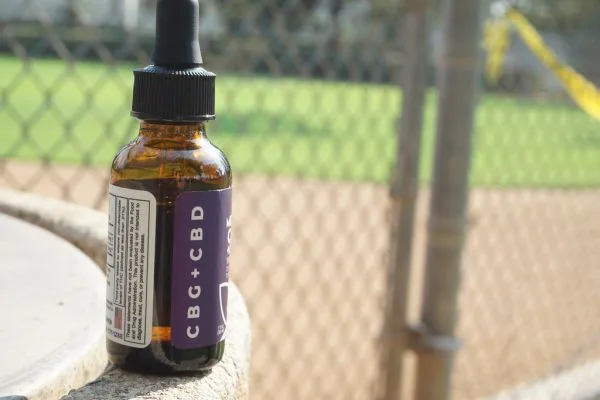
Child-resistant (CR) packaging is packaging built to be hard for young children to open. Many CBD and cannabis products must use it by law.
This is one of the most important compliance details in the category. It is also one of the most misunderstood. This article goes deeper on CR than our main CBD packaging guide. It covers when you need it, the standards it must meet, and the formats on offer. CR rules trace back to federal law. See the Poison Prevention Packaging Act (16 CFR 1700).
| Option | How it works | Best fit |
|---|---|---|
| CR slider box | Squeeze-and-slide inner tray | Vape carts, edibles, tinctures |
| CR outer sleeve | Locks over primary carton | Any tuck-end retrofitted CR |
| CR pop-top tin | Push-down-and-turn lid | Pre-rolls, gummies |
| CR mylar bag | Zipper with squeeze-lock | Flower, edibles |
| CR blister | Peel-then-push required | Dosed tablets, softgels |
What is child-resistant packaging?
Child-resistant packaging is built so it is much harder for kids under five to open. But adults can still use it. For CBD and cannabis, that means a closure or build that needs a planned action, not a simple pull. That covers a push-and-turn, a squeeze, or a multi-step open.
The goal is not to make the package impossible to open. It is to add enough of a barrier that a young child cannot easily reach the contents.
When does CBD packaging need to be child-resistant?
It depends on the product and the state. As a general rule, CR packaging is most often needed for:
- Anything containing THC (cannabis and many hemp products with measurable THC).
- Edibles and ingestibles – gummies, chocolates, drinks, and capsules.
- Products sold in states whose cannabis or hemp programs mandate CR formats.
Rules vary a lot by state and product type. So check the rules for every state you sell to before you lock in a structure.
What standards must CR packaging meet?
Child-resistance is not a claim. It is tested. Two rules set the bar. One is the federal PPPA, enforced by the CPSC. The other is the ASTM D3475 rating for CR packs.
Reusable or reclosable packaging (like many pouches and jars) must stay child-resistant across many opens. The takeaway: CR packaging should be certified to a known standard, not just look secure.
What are the common CR formats?
- Push-and-turn rigid boxes and jars – a classic CR closure for flower and concentrates.
- Child-resistant pouches and bags – reclosable CR zippers for edibles and flower.
- CR slider and tuck cartons – folding cartons with a locking mechanism.
- CR-fitted rigid boxes – premium presentation with a certified insert or closure.
We can suggest a compliant option for products like certified child-resistant marijuana boxes, child-resistant pre-roll tubes and boxes, and edibles.
How do you match a CR format to a product?
The right CR format follows the product inside it. Flower and concentrates often use push-and-turn jars or CR-fitted rigid boxes. Those protect the contents and show them well.
Edibles are the format most likely to need CR. They suit reclosable CR pouches or locking cartons with room for a full ingredient panel. Pre-rolls and vapes use CR tubes or insert-fitted cartons that hold the device.
For a product-by-product breakdown, see our CBD packaging by product guide. Match the label copy each format needs in our CBD label requirements guide.
Child-resistant vs. tamper-evident?
These two terms are often mixed up. But they solve different problems. Child-resistant means the package is hard for a young child to open. Tamper-evident means the package clearly shows whether it has been opened. That is a seal, shrink band, or break-away feature.
Many CBD and cannabis products need both. A CR closure to protect kids, and a tamper-evident feature so buyers and regulators can see the product is intact. The two can be built into the same box. Plan for both from the start, not bolted on later.
Can child-resistant packaging still look premium?
Yes. CR closures can be built into well-designed rigid boxes, printed cartons, and branded pouches. So compliance does not mean a generic look. Just design the structure and the art together from the start. That way the closure works and the brand still shines.
A push-and-turn rigid box can carry foil, embossing, and full-color printing while staying certified. See finish options in our box finishes guide.
How do you brand a CR pack?
The biggest mistake is treating child-resistance as an afterthought bolted onto a finished design. A CR closure changes how a box opens, how art wraps the panels, and where the buyer’s hands go. So design the structure and the graphics in parallel.
Done well, the box opens with a planned adult action. It shows the product cleanly. And it still holds full-color print, foil, or emboss. Our free design team builds the dieline around the certified closure. So the closure works and the brand still looks premium. For matching the right structure to each product, see our CBD packaging by product guide.
What does CR packaging cost?
Child-resistant packaging does add some cost over a plain carton. The closure or insert is engineered and certified to a standard. But it does not need a huge order to access.
We are a US-based supplier in Cheshire, Connecticut. We make CR builds from a 100-box minimum with no die or plate fees and a free dieline. So a smaller brand can stay legal without a warehouse-scale order. Pick the right format up front. Do not over-engineer.
That keeps cost in check while meeting the rules for your product and states. For the wider picture on what drives packaging cost, see our cost guide.
This article is general info, not legal advice. CR rules change and vary by state and product. Check current rules before you print.
Frequently asked questions
Do all CBD products need child-resistant packaging?
No. It depends on the product and state. THC-containing and edible products most often need it. Some non-ingestible hemp products may not. Always check your case.
Is child-resistant packaging the same as tamper-evident?
No. Child-resistant means hard for kids to open. Tamper-evident shows if a package has been opened. Some products need both. We can build them in together.
Can you make child-resistant boxes at a 100-unit minimum?
Yes. We offer CR builds from our standard 100-box minimum with no die or plate fees. Tell us your product and target states for a pick.
Why is child-resistant packaging important for CBD and cannabis?
Ingestible cannabis products (edibles, capsules, drinks) and any product containing THC pose a real poisoning risk to young children – especially edibles that look like candy. CR packaging adds a barrier so a child under five cannot easily reach the contents while adults can still open with a planned action.
It also protects the brand: a preventable exposure incident triggers regulator action, retailer delistings, and lawsuits. CR is both a legal requirement in most states and a duty-of-care baseline for the category.
How do I choose the right CR format for my CBD product?
Match format to product type. Push-and-turn rigid boxes or jars for flower and concentrates – premium presentation with certified closure. Reclosable CR pouches for edibles and larger flower packs. CR slider or locking tuck cartons for pre-rolls, chocolates, and multi-serving formats.
CR tubes or insert-fitted cartons for vapes and single pre-rolls. All must be tested to ASTM D3475 for reusable, PPPA for single-use. Start with what the product is, then confirm which certified closure fits your states.
What are the benefits of CR packaging beyond compliance?
Legal protection first – a certified CR pack shields you from state enforcement action and civil liability if an exposure incident happens. Beyond that, CR packs build buyer trust in a category where responsible packaging is a real brand signal.
Retailers and dispensaries prefer certified CR partners because it lowers their own compliance risk. And modern CR closures (push-and-turn rigid, locking cartons) can carry foil, embossing, and premium print without looking generic – compliance no longer means an ugly box.
Which CR option is best for edibles specifically?
Reclosable CR pouches with certified zippers are the industry go-to for gummies, chocolates, and multi-serving edibles – they stay compliant across many opens (tested per ASTM D3475), fit variable pack counts, and hold up in mixed retail channels.
Locking CR cartons work when you want a printed folding-carton look with room for a full ingredient panel. Skip generic tin-tie bags and heat-seal pouches without certified closures – they are not tested and will not survive a compliance audit.
Is investing in certified CR packaging worth it over cheaper non-certified options?
Yes – because non-certified is not a shortcut, it is a legal exposure. States that require CR will pull a product from shelves if the closure is not certified to ASTM D3475 or PPPA, triggering delistings, inventory write-offs, and possible fines.
Certified CR builds add cost but at a 100-box minimum with no die or plate fees, the entry is reachable for small brands. The alternative – getting caught with non-compliant packaging – costs far more.
Get compliant CBD packaging
You can also see CBD mylar bags at OLX Packaging for more layout ideas.
Tell us your product and the states you sell to. We will suggest a certified CR option for your custom CBD product boxes and build a free dieline around it. Start with our full CBD packaging guide. Then request your free quote or contact our team.