Blog · By The Packaging Vista Team · June 20, 2026
Die, Plate & Setup Fees in Packaging — Explained
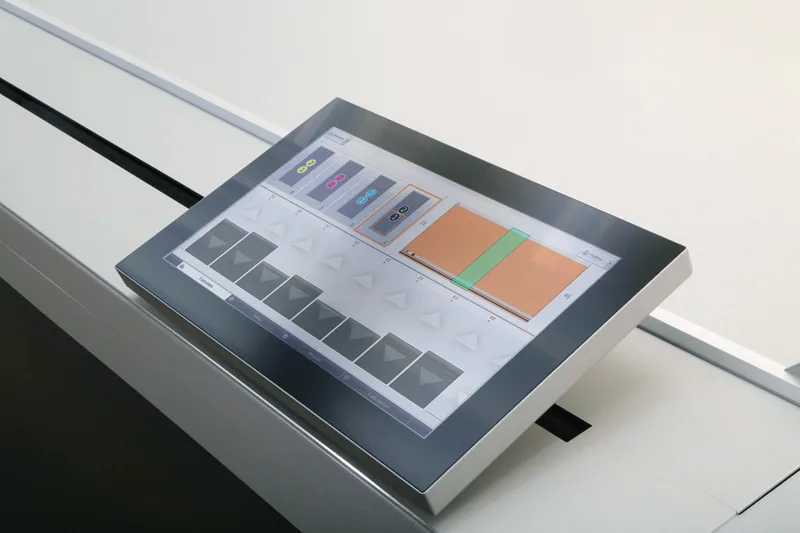
The surprise on many packaging quotes is not the boxes. It is the setup fees. Die fees, plate fees, and other packaging setup fees hit hardest on a first or small run. They are the main reason a custom job can look strangely costly elsewhere.
This post covers what these tooling costs are and how to avoid them. It goes deeper than the fees section of our main packaging cost guide.
What are die and plate fees?
- Die fee – the cost of the custom cutting die that shapes and creases your box.
- Plate fee – the cost of the printing plates that carry your artwork and colors onto press.
- Setup fee – general charges to prepare, mount, and calibrate the job before it runs.
These are one-time tooling costs. But on a small run they can rival the cost of the boxes themselves. That is why a 100-box order can feel oddly pricey when setup is charged apart.
Why do printers charge them?
Traditional offset printing and die-cutting truly need physical plates and dies. A steel cutting die has to be made for your exact box shape. Offset plates have to be made for each color. Those are real costs. So many printers pass them straight through to the buyer.
The problem is that tooling is a fixed cost. It is the same whether you order 100 boxes or 10,000. So on a small run it dominates your per-unit price and makes short runs look bad on paper.
How do setup fees inflate a small run?
Because tooling is fixed, its impact per box shrinks as quantity grows. On a large order the die and plate cost is spread thin and barely shows.
On a first or test run of a few hundred boxes, the same fee can equal or exceed the cost of the boxes. This is why brands testing a new product often get sticker shock. Not because the boxes are costly. But because they are paying for tooling up front before they have sold a single unit. Cutting those fees is the single biggest lever for making short-run custom packaging cheap.
| Fee | What it pays for | One-time or per-unit |
|---|---|---|
| Die fee | The custom cutting die for your box shape | One-time tooling |
| Plate fee | Printing plates for your artwork and colors | One-time tooling |
| Setup fee | Press prep, mounting, and calibration | One-time per job |
How does digital printing change the math?
Part of the reason we can skip these charges is the print method. Digital printing does not need plates at all. Art goes straight to press. That removes the plate cost that drives up short runs.
We offer both offset and digital custom printing. So we can match the method to your quantity. Digital for short and variable runs. Offset where volume and color needs call for it. That flexibility is a big part of why low minimums are real rather than punished – a first product-branding run does not have to carry the tooling of a 10,000-unit reorder.
How do you avoid them?
We charge no die, plate, or setup fees. And we include free design help and a free dieline. That is what makes a 100-box run cheap rather than ruled by tooling. You pay for boxes, not for the equipment to make them.
We are a US-based supplier in Cheshire, Connecticut. We keep the whole package open. A low minimum of 100 boxes. An 8–10 day turnaround. And quote-based pricing with no hidden tooling line items. See our low-MOQ guide and why brands choose us.
Setup fees vs. the real cost of a box?
It helps to split the two halves of a packaging quote. The per-box cost reflects stock, print, and finish. Those scale with how many boxes you order. Setup fees reflect tooling and press prep. Those happen once no matter the quantity.
When a quote bundles these together, a low per-box rate can hide a heavy one-time charge. A fair per-box rate can look high because the tooling is folded in. The clearest way to compare suppliers is to ask each one to split the quote into per-unit cost and one-time fees.
Then look at the total for the quantity you plan to order. For the full breakdown of what goes into a box price, see our cost guide.
Why does no setup fees matter for testing a product?
For a brand launching or testing a new SKU, setup fees are the gap between trying an idea and shelving it. If a die and plate charge doubles the cost of a 100-box test run, the smart move is often to wait. That slows the whole business down.
Removing those fees lets you order a real, on-brand run at low quantity. Get it in front of buyers. Learn from it. Reorder or revise without re-paying for tooling. That speed of iteration is one of the quiet edges of working with a maker that does not charge setup. It pairs well with a low minimum and a fast turnaround. See our beginner’s guide for how a first order comes together.
What questions should you ask any packaging supplier?
If you are comparing quotes, the fees are where the real gaps hide. Before you commit, ask these:
- Are die and plate fees included or charged apart?
- Is there a setup or calibration fee per run?
- Will reorders bring new tooling charges, or is the first run the only one?
- Is design and dieline work billed?
A quote that looks cheap on the per-box line can end up costing more once tooling is added. Always compare the all-in number, not just the headline price. Our cost-reduction guide walks through the rest of the levers.
Frequently asked questions
What is a die fee in packaging?
It is the cost of manufacturing the custom steel cutting die that shapes and creases your specific box. It is a one-time tooling charge, but on a small run it can be a large share of the total – which is why we do not charge it.
Why do other printers charge setup fees?
Traditional offset and die-cutting genuinely need physical plates and dies, which are real fixed costs. Many printers pass them through, especially on first or small runs.
Do you charge for design or dielines?
No. Design support and your custom dieline are free, alongside no die, plate, or setup fees and a 100-box minimum.
Will I pay tooling fees again on a reorder?
Since we do not charge die, plate, or setup fees in the first place, reorders are not burdened with new tooling charges either.
How do I choose a packaging supplier that will not surprise me with setup fees?
Ask four questions before you commit: (1) Are die and plate fees included or charged separately? (2) Is there a setup or calibration fee per run? (3) Will reorders bring new tooling charges? (4) Is design and dieline work billed? Then compare the all-in total for your planned quantity across suppliers, not the headline per-box rate.
A quote that looks cheap on the per-box line often adds hundreds in tooling once you accept it.
What are the benefits of a no-setup-fee packaging supplier for a new brand?
The biggest one: you can actually test SKUs. A 100-box run stays around the cost of 100 boxes rather than 100 boxes plus a die and plate charge that doubles the total. That lets you iterate on design, try new products, and reorder winners without re-paying for tooling.
It also removes the friction of switching to a new stock, adding a shade, or dropping a seasonal line – every change is just the boxes, not new setup.
Which packaging quote is best when comparing suppliers?
The one with the lowest all-in total for your specific quantity, split clearly into per-unit and one-time charges. Ask each supplier to show the split, then multiply per-unit by quantity and add setup fees to compare like-for-like. A supplier charging $1.20/box with no setup will usually beat one charging $0.80/box plus $400 in die and plate fees at a 100-box first run.
Volume flips the math only above certain break-points.
Is a supplier without setup fees always the best choice?
For short and medium runs (100 to a few thousand boxes), essentially yes – the tooling savings dominate. For very high-volume commodity runs where overseas offset shops offer deep container-load pricing, a supplier that charges setup but rebates it into a lower per-unit rate at 50,000+ can win on total cost.
For everything US brands typically order – test runs, seasonal drops, growing multi-SKU lines – no-setup-fee wins on both cost and speed.
Related reading from OLX Packaging: guide to custom printed boxes.
Tell us your product and we will quote it with no hidden tooling charges. Browse our custom printed boxes and cartons or start with our cost guide, then request your free quote or contact our team.