Blog · By The Packaging Vista Team · June 20, 2026
Rigid Boxes: The Complete Guide to Premium Packaging
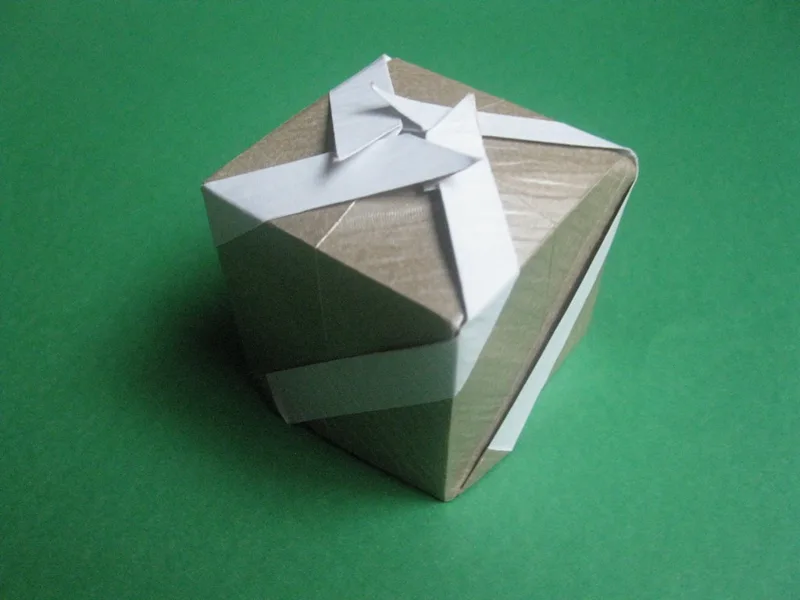
A rigid box is made from thick chipboard wrapped in printed paper. It does not fold flat. It arrives pre-formed. That gives it a heavy, luxe feel.
Rigid boxes, also called set-up boxes, are the heavyweight of high-end packaging. Think prestige beauty, fine jewelry, and luxe gift sets.
This piece goes deeper on rigid boxes, magnetic closure boxes, and what makes a top-tier gift box than our box styles overview. It also pairs with our luxury packaging guide.
Rigid box quick facts:
- Construction: thick greyboard (1.5–3 mm) wrapped in printed paper – not folded.
- Feel: heavy, structural, high perceived value; the tell of a luxury brand.
- Closures: lift-off lid, magnetic closure, hinged, drawer, or shoulder-and-neck.
- Inserts: foam, EVA, or fitted paperboard cradle the product for the reveal.
- Finishes: foil, spot UV, soft-touch, and emboss layer cleanly on the wrap.
- Trade-offs: ships pre-assembled (higher freight); reserve for hero SKUs, gifts, and PR mailers.
How rigid boxes are made
Rigid (or set-up) boxes start with thick greyboard cut and formed into a fixed shape. Then it is wrapped in printed and finished paper.
Because they are built, not shipped flat, they cost more and ship pre-formed. But they feel weighty in a way folding cartons cannot match.
The greyboard core is much thicker than folding carton stock. That is why the box holds its shape, resists denting, and gives that solid heft when a buyer picks it up. The printed wrap is put on as a separate layer. So you get full design freedom on the outside, while the frame beneath does the heavy work.
| Closure | Feel on open | Best fit |
|---|---|---|
| Lift-off (shoulder + lid) | Slow, ceremonial | Watches, jewelry, spirits |
| Magnetic flap | Click, satisfying | Beauty kits, subscription hero |
| Hinged book style | Swings like a book | Editorial gifts, PR mailers |
| Drawer / slide | Two-hand pull | Chocolates, cards, apothecary |
| Neck-and-shoulder | Sturdy, telescoping | Boots, hats, heavier gifts |
When a rigid box is worth it
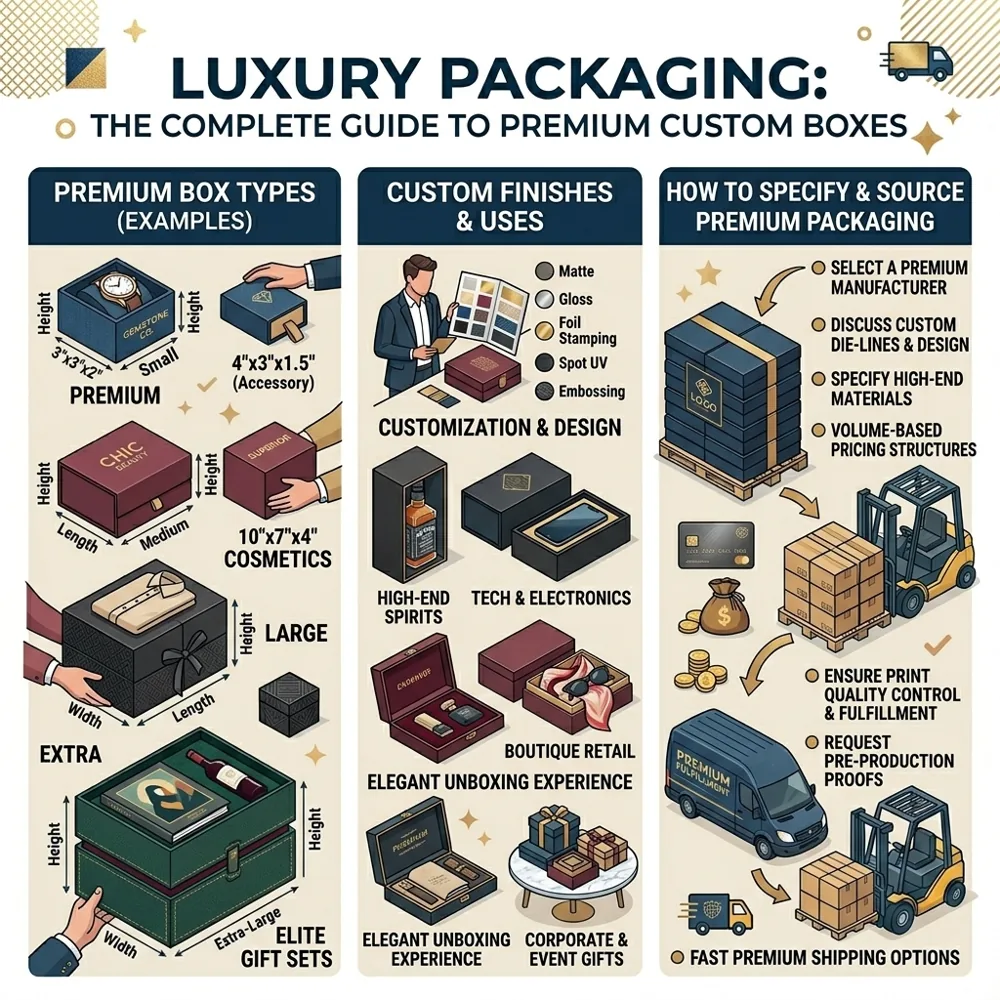
Rigid boxes fit luxe products and gifts. Think tech, jewelry, prestige beauty, spirits, and gift sets. The box is part of the value. See premium custom rigid boxes.
Ask a simple question. Is the pack part of the product moment, or just a container? For an impulse item or a low-cost good, a folding carton is the right call.
But when buyers are paying for a luxe moment – a gift, a keepsake, a hero item – the weighty feel of a rigid box backs the price and the brand. It often gets kept and reused, so your brand stays in the buyer’s home long after the sale.
Closures and styles
Common shapes are two-piece (lid and base) and hinged boxes with a satisfying magnetic close that makes the open feel planned. Inserts are almost always used to cradle the item.
Beyond lid-and-base, you will also see shoulder-neck boxes, drawer or slide-out styles, and book-style hinged boxes that open like a cover. Each close shapes the unboxing moment. A lift-off lid feels formal. A magnetic flap feels modern. A drawer feels playful. The right pick depends on the ritual you want the buyer to feel the first time they open it.
Inserts make the rigid box
A rigid box without an insert can feel hollow. So the insert is not an add-on. It is core to the moment.
A fitted insert cradles the item, holds it in a set spot so it is the first thing the buyer sees, and stops movement that would cheapen the open. Inserts also let you show multi-piece sets cleanly, giving each item its own seat.
Foam, paperboard, and molded options each fit different items. Our foam vs. paperboard inserts guide compares them. We design the insert and the box as one so the fit is exact.
Finishes that match
Rigid boxes are often paired with rich finishes – soft-touch, foil, and embossing – to round out the luxe feel. Our box finishes guide covers the options.
The rigid frame already signals quality. So the finish is what carries the brand’s voice. A soft-touch laminate adds a velvety, feel-first surface. Foil stamping brings metal shine on a logo or touch. Embossing or debossing makes a raised or set-in mark you feel as much as see. These finishes layer well on rigid wraps, which is part of why the shape rules the luxe shelf.
What rigid boxes cost
They are the priciest box style because of the stock and build. But we charge no die or plate fees, and the minimum is still 100. See our packaging cost guide.
Two things drive the higher price. The thick greyboard uses more stock. And the box is hand-built, not shipped flat.
Yet with no die and plate fees, and a 100 minimum, even a small brand can launch a rigid line without the huge tooling spend this format often needs. Pricing stays quote-based so it fits your exact specs.
Shipping and storage considerations
One trade-off to plan for. Rigid boxes arrive pre-formed, not flat. So they take up more room in transit and storage than folding cartons.
Factor that into your warehouse plan and inbound freight. It is one reason brands often pair a rigid retail box (for product branding) with a separate corrugated outer for shipping packaging on DTC orders – the rigid handles the reveal, the corrugated handles product protection through the carrier network.
From our US-based team in Cheshire, Connecticut, we can help you plan the shape, the insert, and any outer shipper together so the luxe box arrives just as you want it.
Frequently asked questions
What is the difference between a rigid box and a folding carton?
A folding carton ships flat and is made from thin paperboard. A rigid box is built from thick greyboard, arrives pre-formed, and feels much heavier and more luxe.
Do rigid boxes have a high minimum order?
With us, no. The minimum is 100 boxes with no die or plate fees. You can launch a luxe rigid line without a big tooling spend.
What closure should I choose for a gift box?
It depends on the moment you want. A lift-off two-piece lid feels formal. A magnetic-close hinged box feels modern. Inserts are a smart add either way to cradle the item.
Why are rigid boxes more expensive?
They use more stock (thick greyboard) and are built by hand, not shipped flat. Pricing is quote-based. But there are no die or plate fees, which keeps the entry cost lower than usual.
How does a rigid box get made?
Thick greyboard is cut into panels, formed into a fixed shape (lid, base, hinge, or drawer), and glued into a solid frame. That frame is then wrapped by hand in your printed and finished paper – separate from the print run, which is why the surface can carry soft-touch, foil, or embossing without limits.
The box arrives pre-formed rather than flat, which is what gives it the weighty, non-flexing feel folding cartons cannot match.
How do I choose the right closure for a rigid gift box?
Match closure to the ritual you want. Lift-off two-piece lid for formal, ceremonial reveals (fragrance, jewelry, spirits). Magnetic hinged for modern, interactive unboxings that feel reusable (PR mailers, welcome kits). Drawer or slide-out for a playful, staged reveal (subscription drops).
Shoulder-neck for a keepsake feel. Book-style hinged for a story-led open. The frame is the same greyboard heavy build in every case.
What are the benefits of a rigid box over a folding carton?
Weight, keep-appeal, and premium signal. A rigid box does not flex, dent, or crush in the hand, so it reads as luxe from the moment it is picked up. It gets kept and reused on a dresser, in a closet, or on a shelf – leaving the brand in the buyer’s home long after the sale. It also carries finishes (soft-touch, foil, embossing) more dramatically because there are no fold creases to fight.
How much does a custom rigid box cost?
Pricing is quote-based on size, board thickness, finishes, insert complexity, and quantity, with no die, plate, or setup fees at the 100-box minimum. Rigid boxes run more than folding cartons of the same footprint because the greyboard uses more stock and the box is built by hand rather than shipped flat.
A plain wrapped lid-and-base sits at the low end; a magnetic hinged box with satin-faced foam and foil sits at the high end.
Which rigid box style is best for luxury retail?
Lift-off two-piece lid-and-base is the industry standard for prestige beauty, fragrance, jewelry, and spirits – it reads formal and gets kept as a keepsake. Magnetic hinged is best when the box will be handled and reopened (PR seeding, welcome kits, monthly subscription). Drawer style suits limited drops and playful, staged reveals. Match the frame to how the product will actually be experienced.
Is a rigid box worth the extra spend for a small brand?
For a hero product, gift set, PR mailer, or launch drop where the box is part of the value, yes – at a 100-box minimum with no die or plate fees, even independent brands can launch a rigid line without warehouse-scale spend. For everyday e-commerce, subscription refills, or low-price items where the pack is a container rather than the moment, a printed mailer or folding carton is the smarter spend.
The rule: match the frame tier to the price tier of what goes inside.
For more on this topic, see guide to rigid boxes from OLX Packaging.
Want a luxe rigid box? Tell us your product and the look you want. We will design a rigid box and insert with a free dieline and 3D mockup. See the full box styles guide, then request your free quote or contact our team.