Blog — Page 3
Packaging guides, trends, and tips from the Packaging Vista team. — Page 3 of 14
What are you looking for on page 3?
June 23, 2026
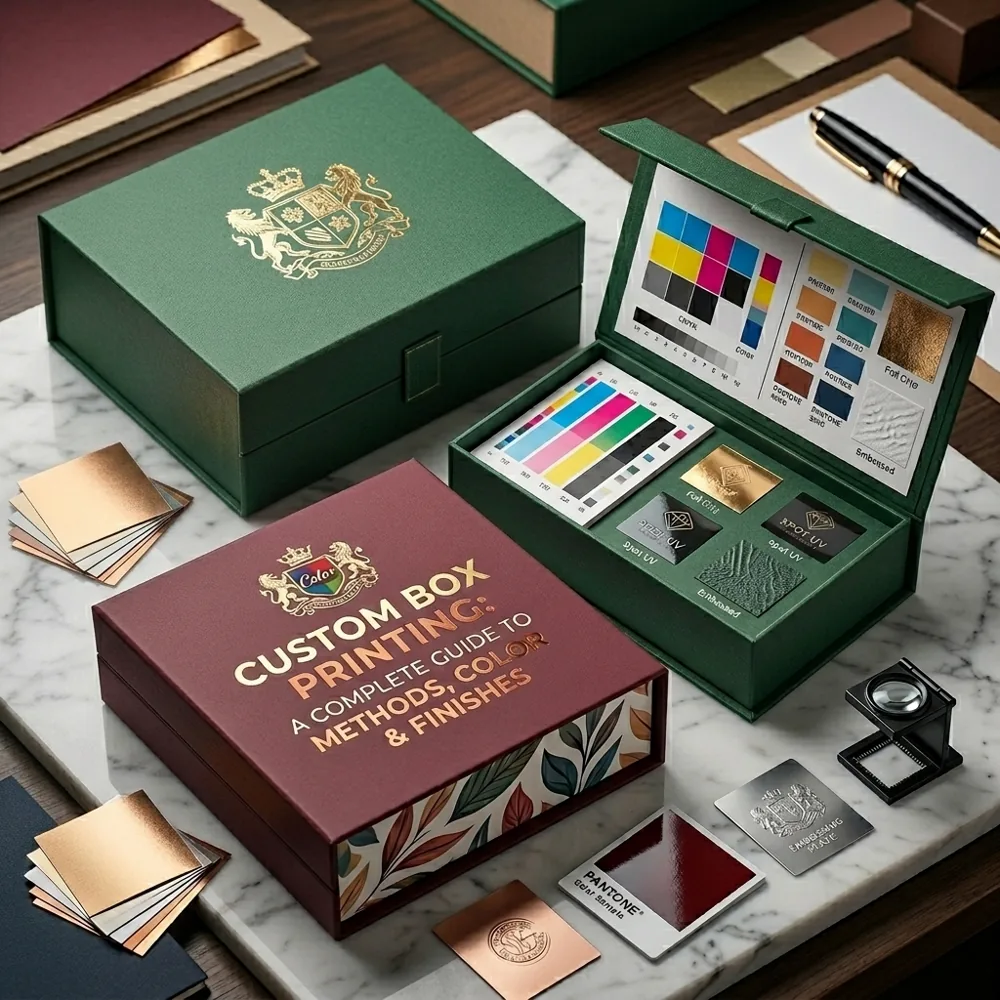
Custom Box Printing: A Complete Guide to Methods, Color & Finishes
How custom boxes are printed — offset vs digital methods, CMYK vs Pantone color, print-ready artwork, and the finishes that elevate a printed box. A complete guide.
Read More about Custom Box Printing: A Complete Guide to Methods, Color & Finishes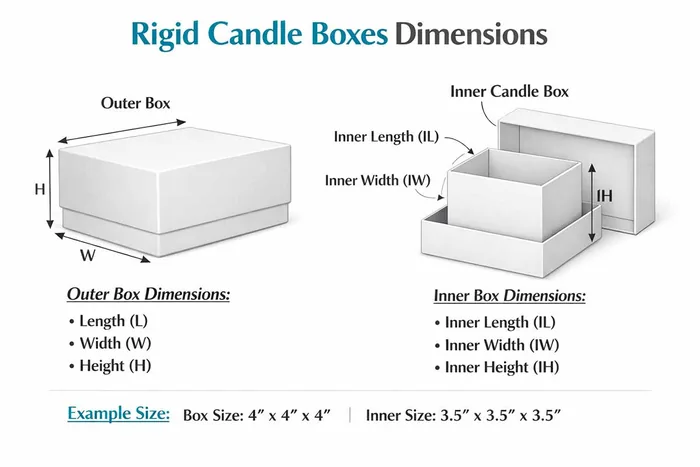
June 23, 2026
Custom Rigid Boxes in the USA: A Buyer's Guide to Working With a US-Based Supplier
Why source custom rigid boxes from a US-based supplier — one US point of contact, an 8-10 day turnaround after proof, low minimums, and free shipping across the United States.
Read More about Custom Rigid Boxes in the USA: A Buyer's Guide to Working With a US-Based Supplier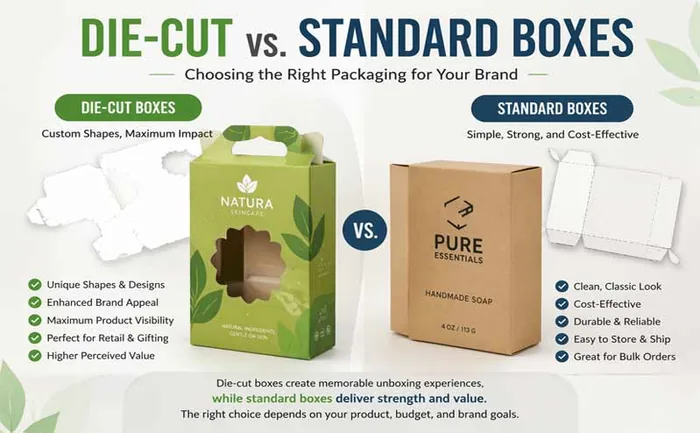
June 23, 2026
Custom Die Cut Boxes in the USA: How to Source From a US-Based Packaging Partner
Why source custom die cut boxes from a US-based supplier — no die or tooling fees on custom shapes, a free dieline and 3D mockup, low minimums, and free shipping across the United States.
Read More about Custom Die Cut Boxes in the USA: How to Source From a US-Based Packaging Partner
June 23, 2026
Custom Mailer Boxes in the USA: How to Source From a US-Based Packaging Partner
Why US ecommerce brands source custom mailer boxes from a US-based supplier — fast restocks, sizing for USPS and UPS dimensional weight, low minimums, and free US shipping.
Read More about Custom Mailer Boxes in the USA: How to Source From a US-Based Packaging Partner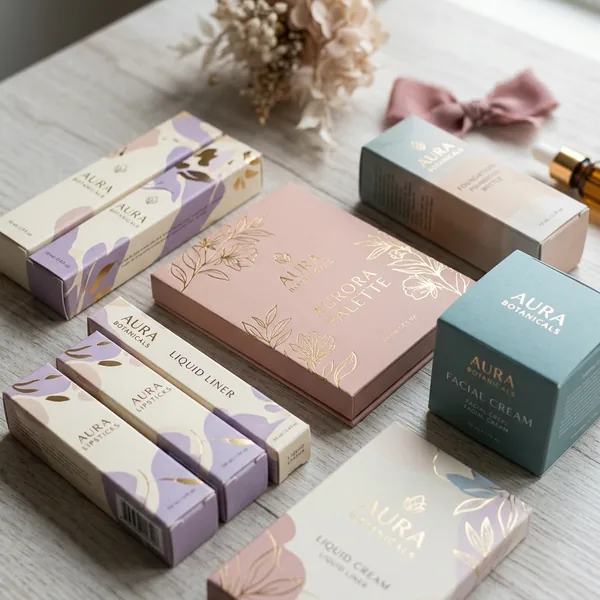
June 23, 2026
Custom Cosmetic Boxes in the USA: How to Source From a US-Based Packaging Partner
Why US beauty brands source custom cosmetic boxes from a US-based supplier — speed to market for trend-driven launches, FDA-aware label layout, low minimums, and free US shipping.
Read More about Custom Cosmetic Boxes in the USA: How to Source From a US-Based Packaging Partner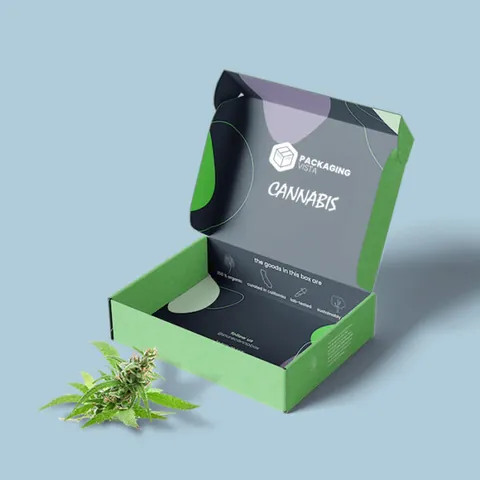
June 23, 2026
Custom CBD Boxes in the USA: A Buyer's Guide to Working With a US-Based Supplier
Why US CBD and hemp brands source custom boxes from a US-based supplier — child-resistant options, state-aware compliant label layout, low minimums, and free US shipping.
Read More about Custom CBD Boxes in the USA: A Buyer's Guide to Working With a US-Based Supplier
June 23, 2026
Custom Kraft Boxes in the USA: How to Source From a US-Based Packaging Partner
Why eco-minded US brands source custom kraft boxes from a US-based supplier — recyclable material, honest eco claims, low minimums, and free US shipping.
Read More about Custom Kraft Boxes in the USA: How to Source From a US-Based Packaging Partner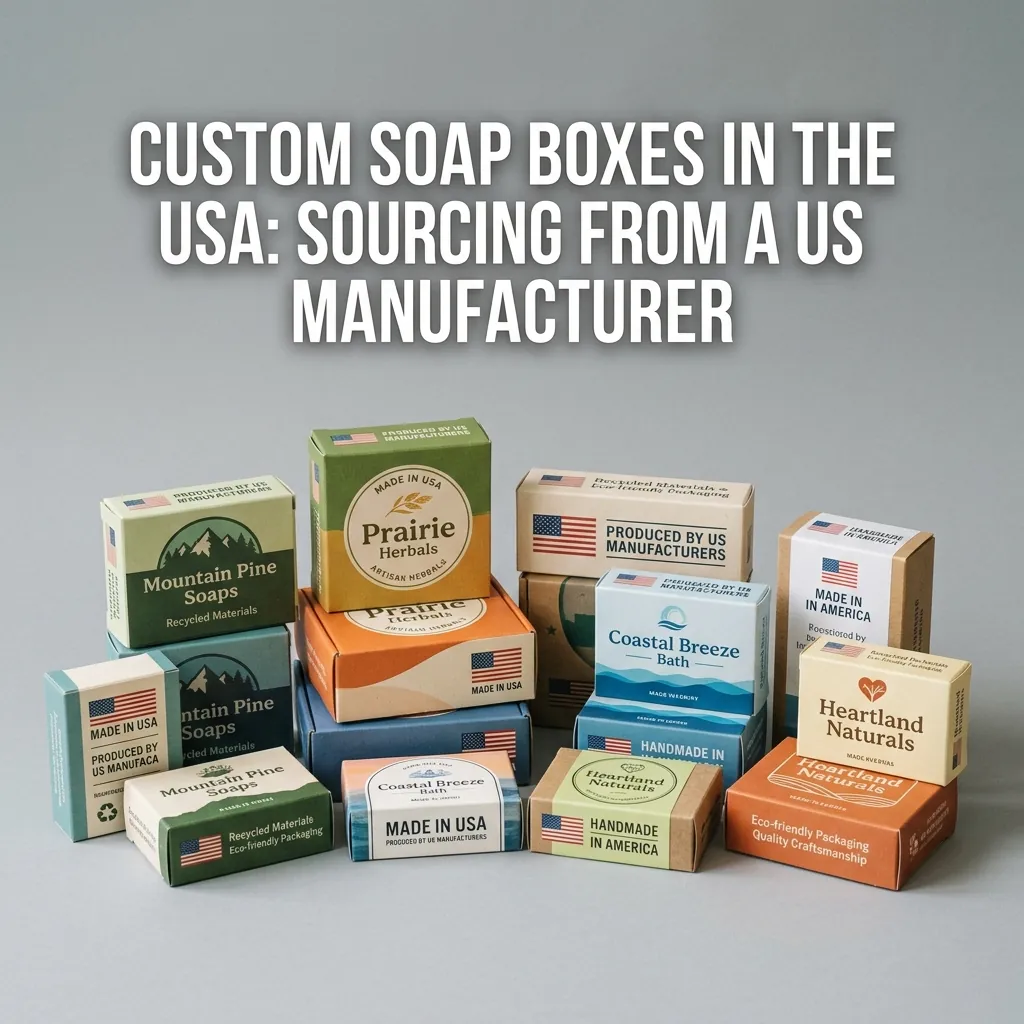
June 23, 2026
Custom Soap Boxes in the USA: How to Source From a US-Based Packaging Partner
Why US handmade and indie soap makers source custom boxes from a US-based supplier — small-batch minimums, fast restocks, eco kraft options, and free US shipping.
Read More about Custom Soap Boxes in the USA: How to Source From a US-Based Packaging Partner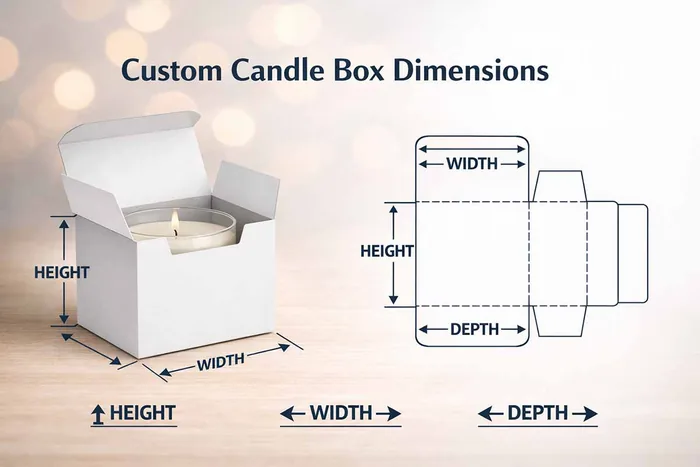
June 23, 2026
Custom Candle Boxes in the USA: A Buyer's Guide to Working With a US-Based Supplier
Why US candle makers source custom boxes from a US-based supplier — safety-warning-ready layout, jar and tin inserts, low minimums, and free US shipping.
Read More about Custom Candle Boxes in the USA: A Buyer's Guide to Working With a US-Based Supplier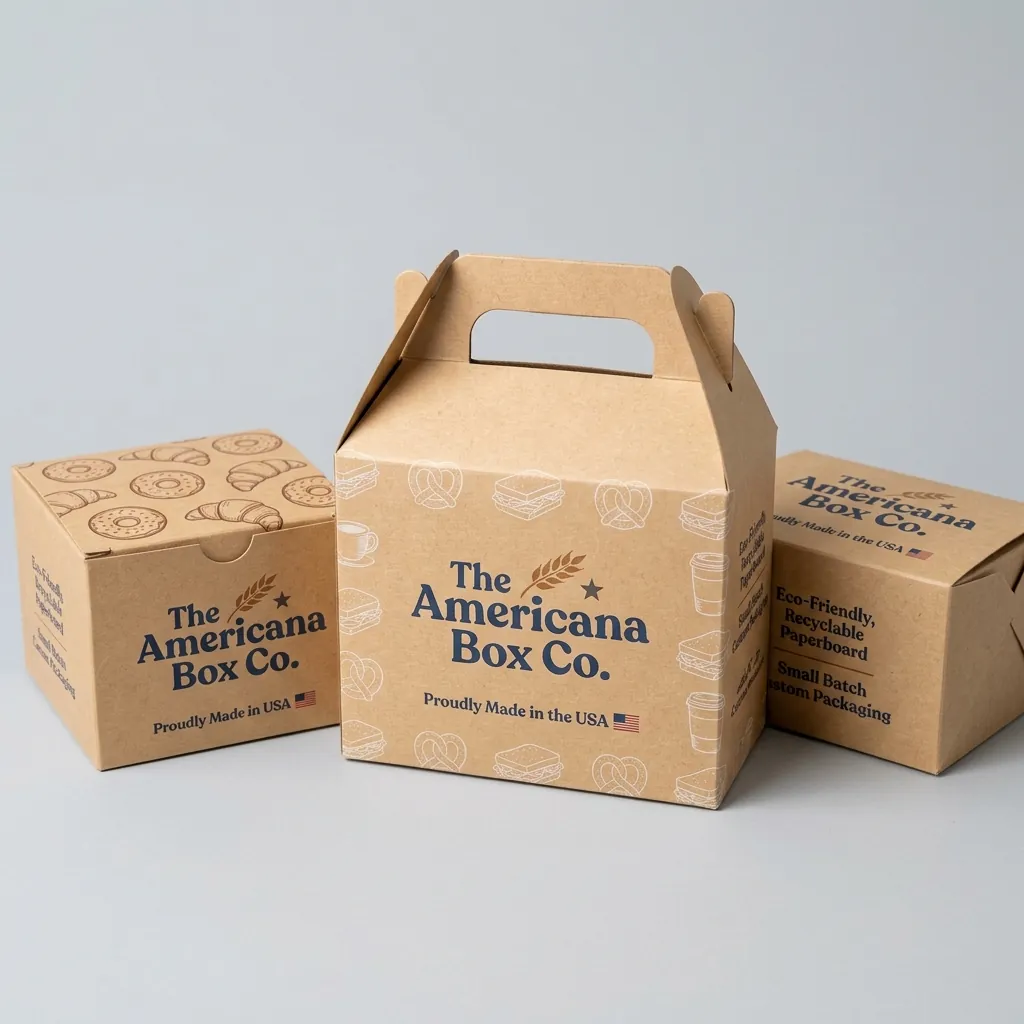
June 23, 2026
Custom Food Boxes in the USA: How to Source From a US-Based Packaging Partner
Why US bakeries, restaurants, and food brands source custom boxes from a US-based supplier — FDA food-grade stocks, fast restocks, low minimums, and free US shipping.
Read More about Custom Food Boxes in the USA: How to Source From a US-Based Packaging Partner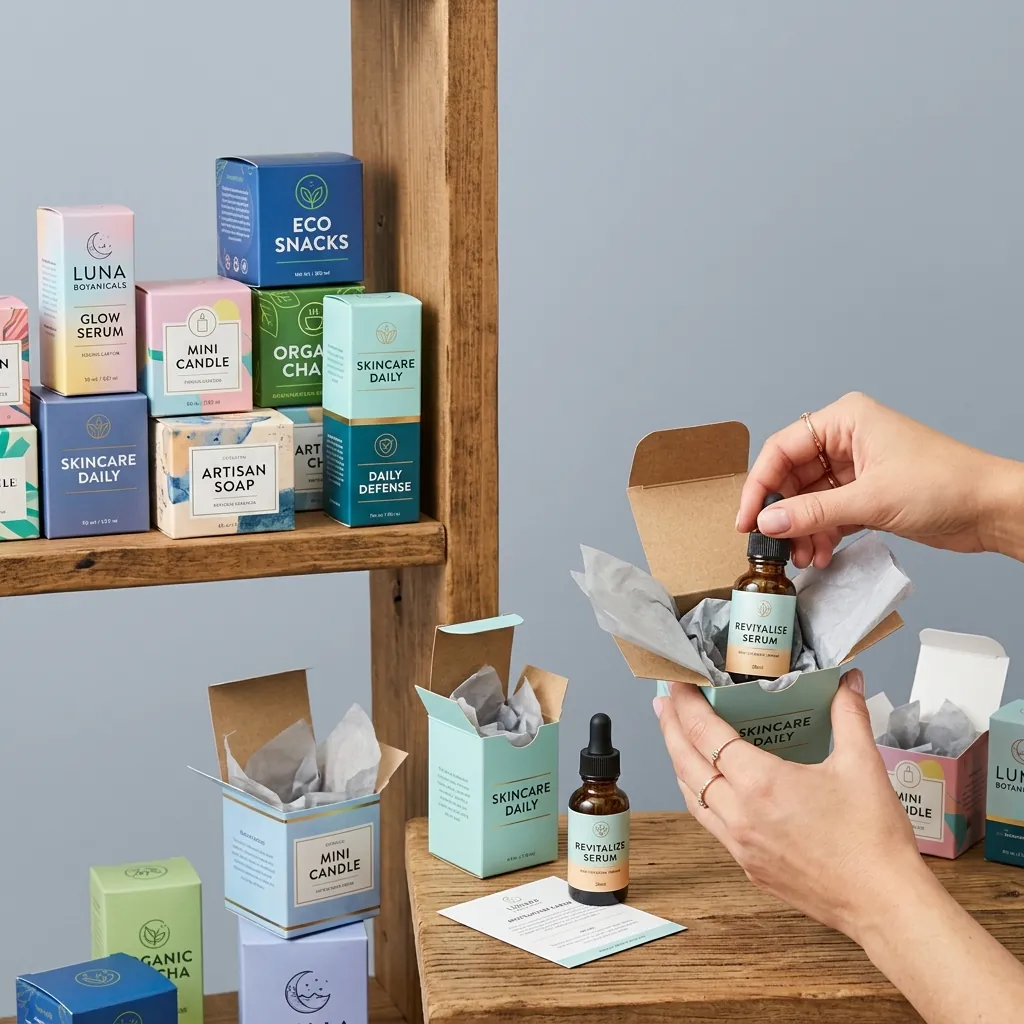
June 23, 2026
Custom Retail Boxes in the USA: How to Source From a US-Based Packaging Partner
Why brands getting onto US shelves source custom retail boxes from a US-based supplier — shelf-ready cartons, barcode and hang-tab space, fast PO turnaround, and free US shipping.
Read More about Custom Retail Boxes in the USA: How to Source From a US-Based Packaging Partner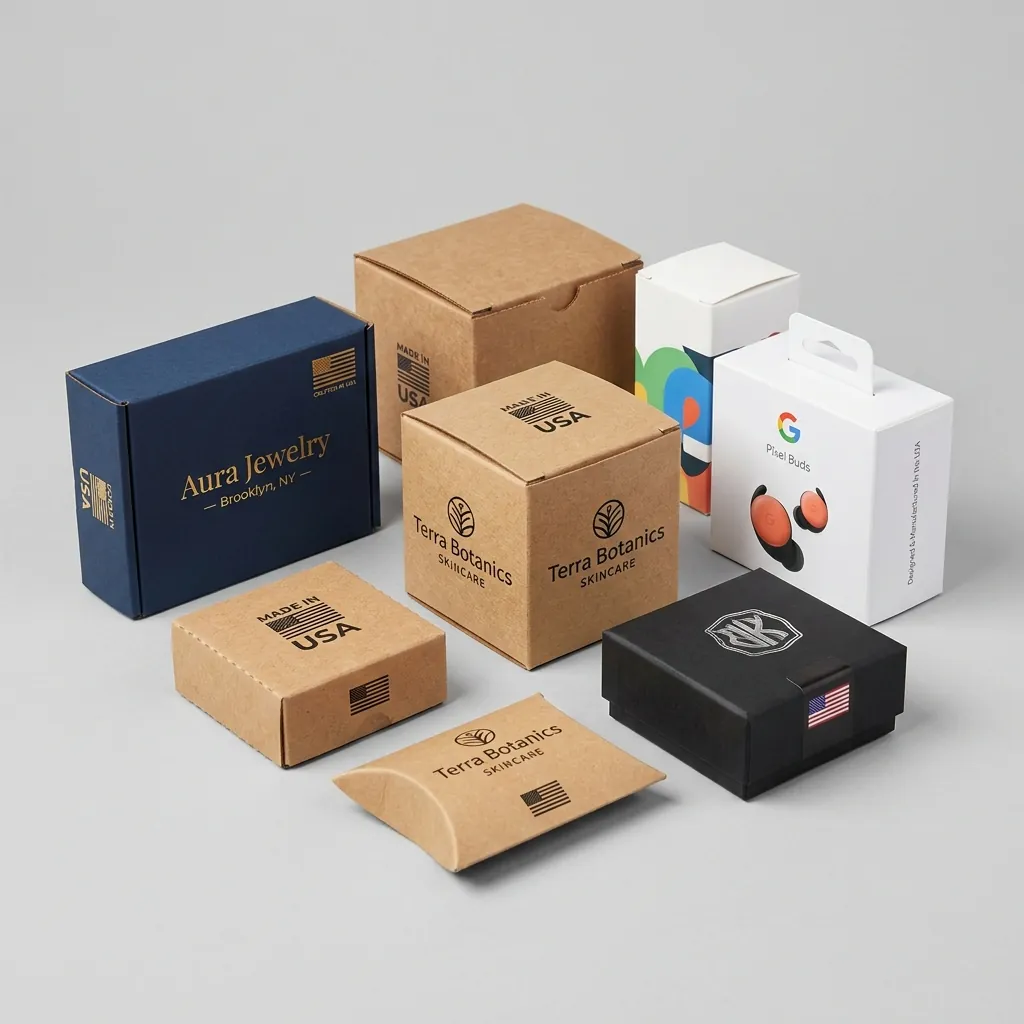
June 23, 2026
Custom Product Boxes in the USA: How to Source From a US-Based Packaging Partner
Why brands source custom product boxes from a US-based supplier — boxes built to fit your exact product with a protective insert, low minimums, fast turnaround, and free US shipping.
Read More about Custom Product Boxes in the USA: How to Source From a US-Based Packaging Partner