Blog — Page 7
Packaging guides, trends, and tips from the Packaging Vista team. — Page 7 of 14
What are you looking for on page 7?
June 20, 2026
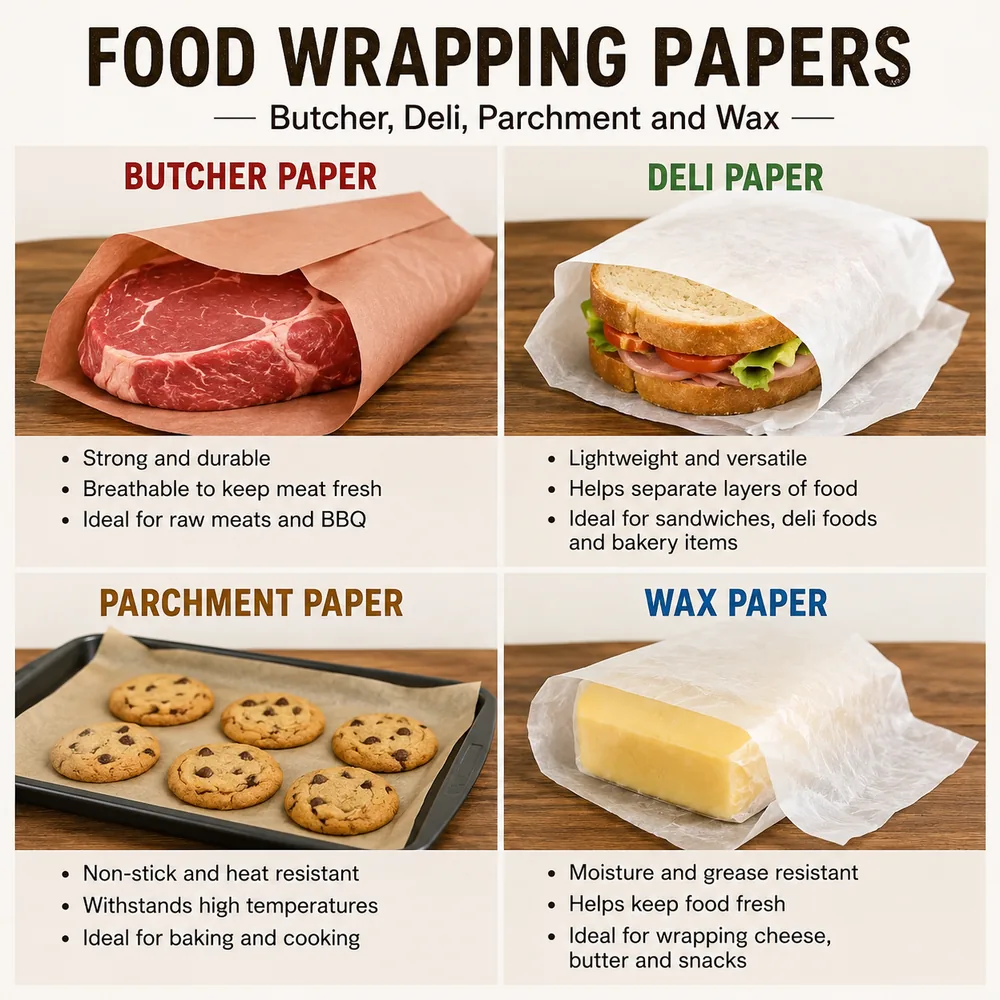
Food Wrapping Papers: Butcher, Deli, Parchment and Wax
Food wrapping papers each do a specific job. This guide explains butcher, deli, parchment, and wax paper — what each is, what it's best for, and how to brand them food-safely.
Read More about Food Wrapping Papers: Butcher, Deli, Parchment and Wax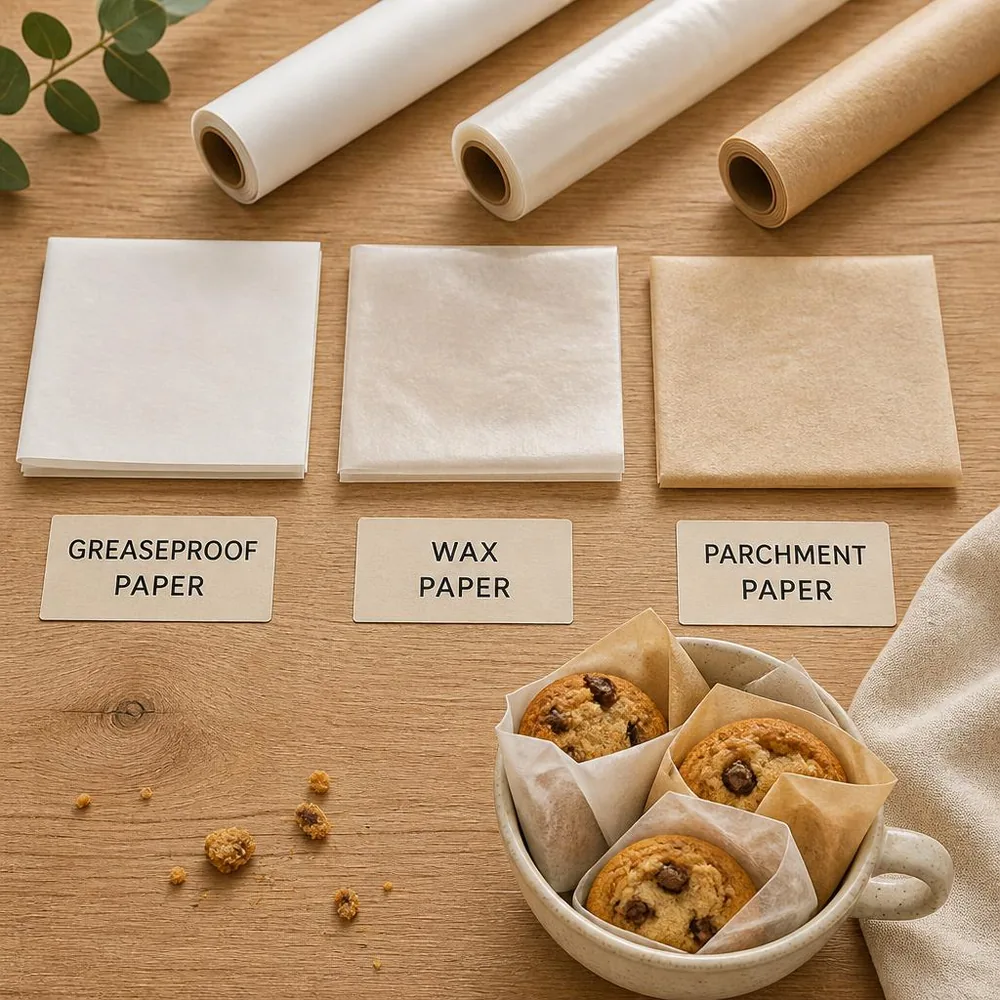
June 20, 2026
Greaseproof vs. Wax vs. Parchment Paper: Which Do You Need?
Greaseproof, wax, and parchment paper look similar but behave very differently. This guide compares grease resistance, heat tolerance, and moisture barriers so you pick the right one.
Read More about Greaseproof vs. Wax vs. Parchment Paper: Which Do You Need?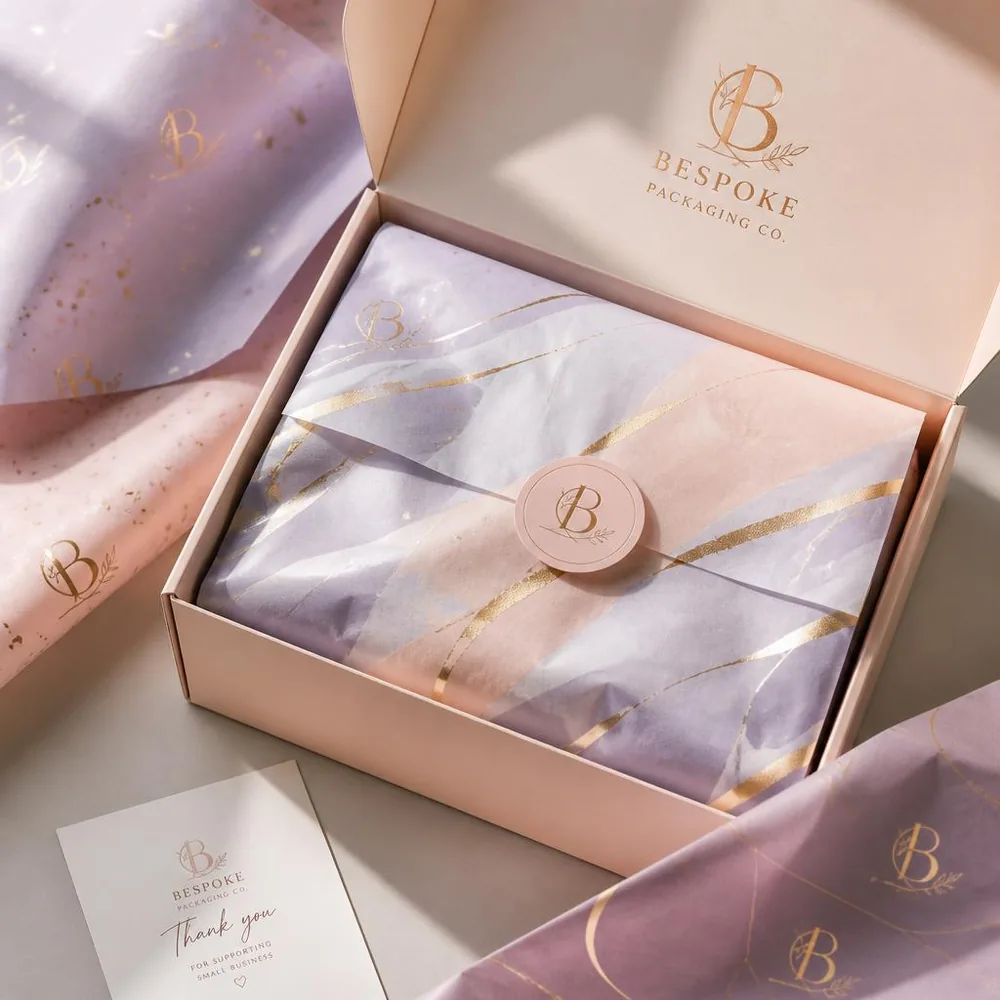
June 20, 2026
Custom Tissue & Wrapping Paper: Branding the Unboxing
Branded tissue and wrapping paper turn a plain box into a considered unboxing for very little cost. This guide covers tissue, wrapping paper, and how to use them to elevate a retail or e-commerce brand.
Read More about Custom Tissue & Wrapping Paper: Branding the Unboxing
June 20, 2026
QR Codes on Packaging: Connecting Your Box to Content
A QR code turns a static box into a doorway — to videos, lab results, reorders, and loyalty. This guide covers what to link, where to place the code, and how to keep it legible.
Read More about QR Codes on Packaging: Connecting Your Box to Content
June 20, 2026
Minimalist Packaging Design: Why Less Sells More
Clean, minimal packs — clean layouts, space, and a single focal point — reads as premium and survives the small online thumbnail. This guide covers how to do it well, and why it can cost less too.
Read More about Minimalist Packaging Design: Why Less Sells More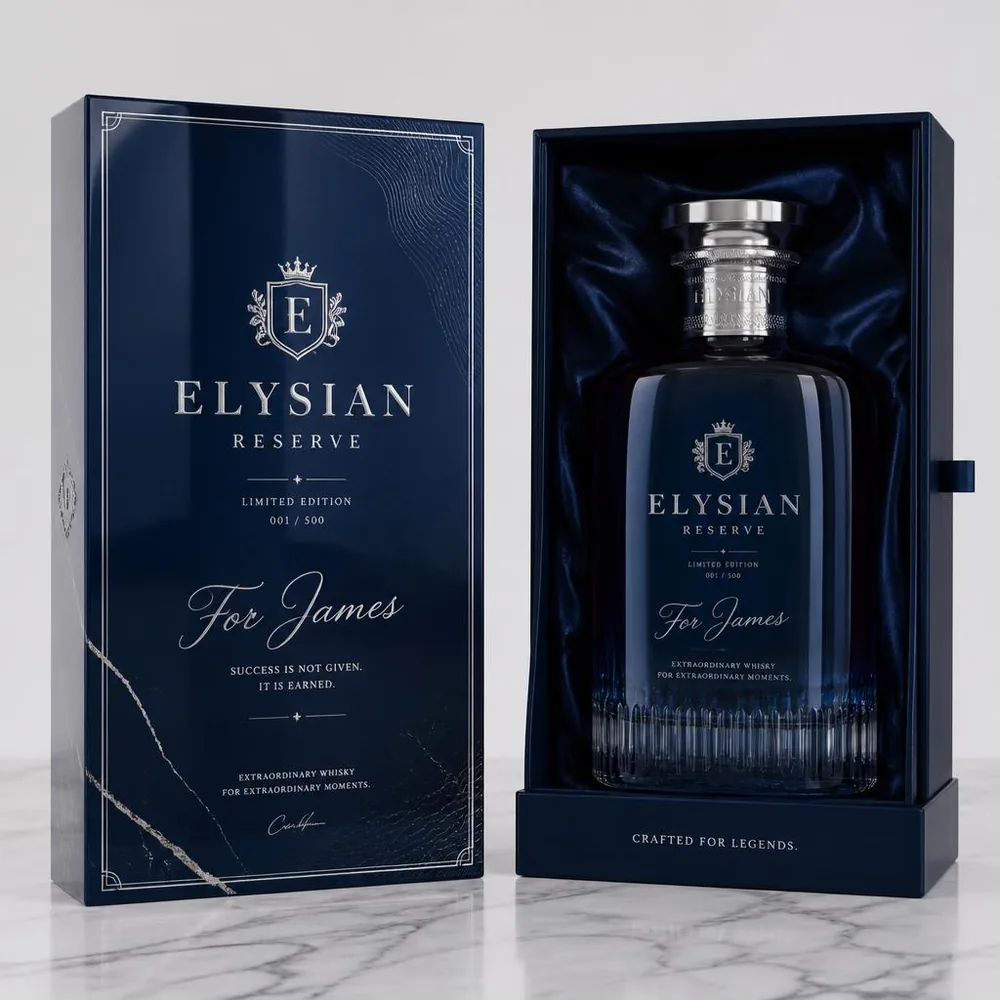
June 20, 2026
Personalized & Limited-Edition Packaging: Small Runs, Big Impact
Personalized and limited-edition packaging — names, seasons, or versioned designs — drives engagement and sharing. This guide covers how to do it affordably with low minimums and no setup fees.
Read More about Personalized & Limited-Edition Packaging: Small Runs, Big Impact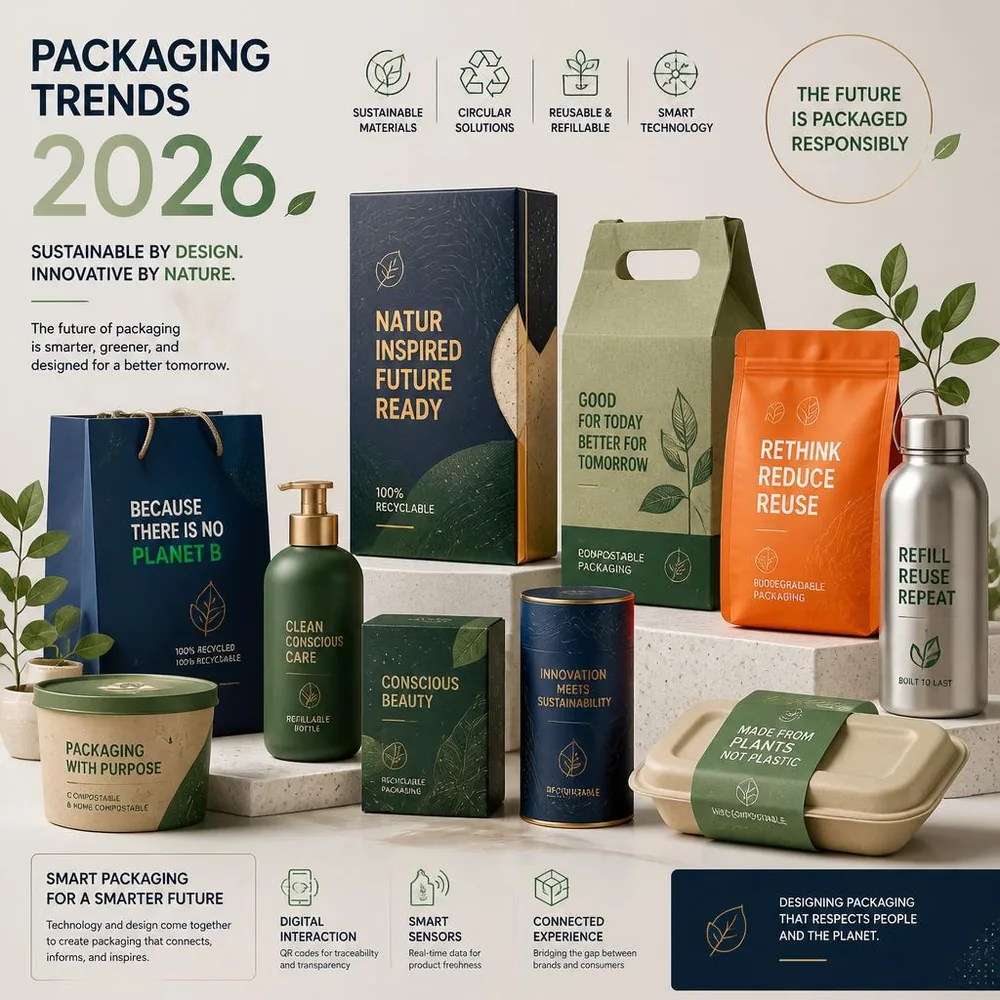
June 20, 2026
Custom Packaging Trends for 2026: What Brands Are Doing Now
From sustainability-by-default to connected QR packaging and tactile premium finishes, here are the custom packaging trends shaping 2026 — and practical ways to apply each one to your own boxes.
Read More about Custom Packaging Trends for 2026: What Brands Are Doing Now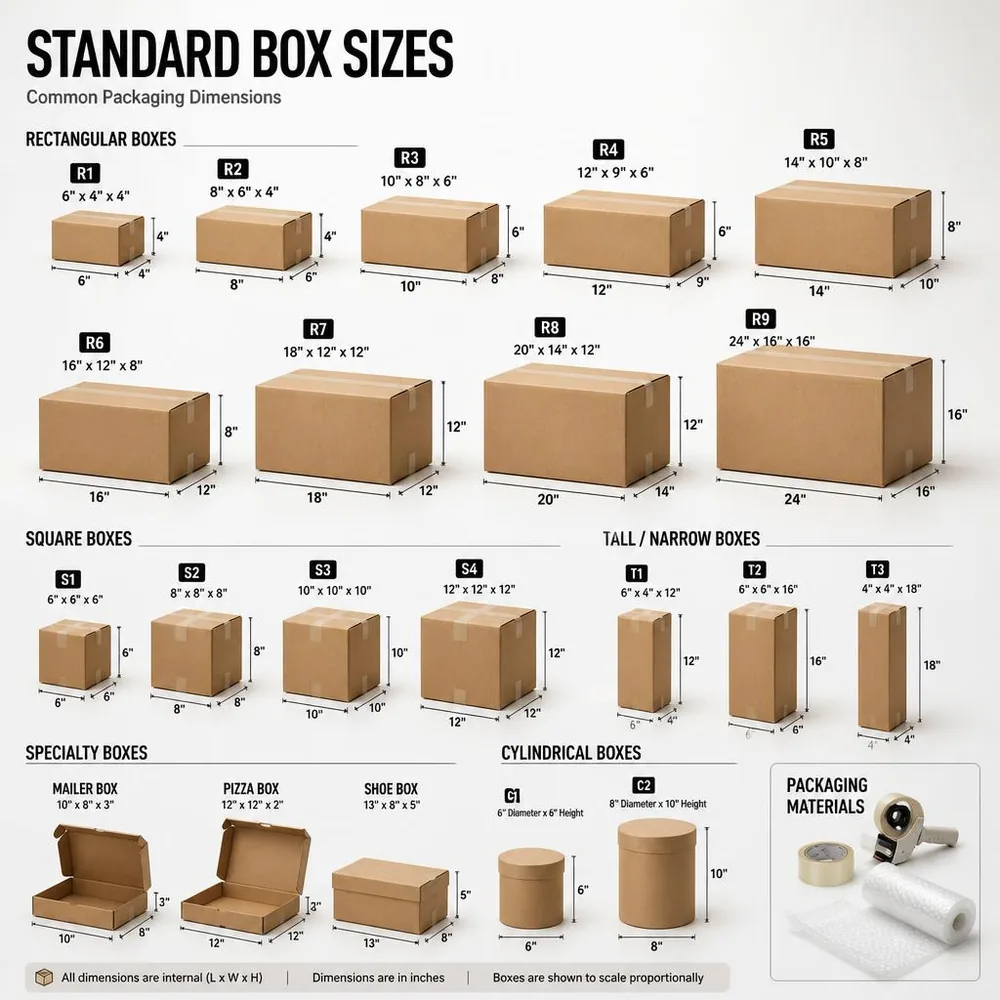
June 20, 2026
Standard Box Sizes: A Reference for Common Packaging
A standard box sizes chart - common plain cardboard, mailer, shipping, rigid, and folding-carton dimensions by product type (L x W x H), plus how boxes are measured and why a custom size usually beats stock.
Read More about Standard Box Sizes: A Reference for Common Packaging
June 20, 2026
Mailer Box Sizes: Choosing the Right Dimensions for Shipping
The right mailer size protects your product, keeps shipping cheap, and makes a clean unboxing. This guide covers common mailer dimensions and how to pick the size that fits your product.
Read More about Mailer Box Sizes: Choosing the Right Dimensions for Shipping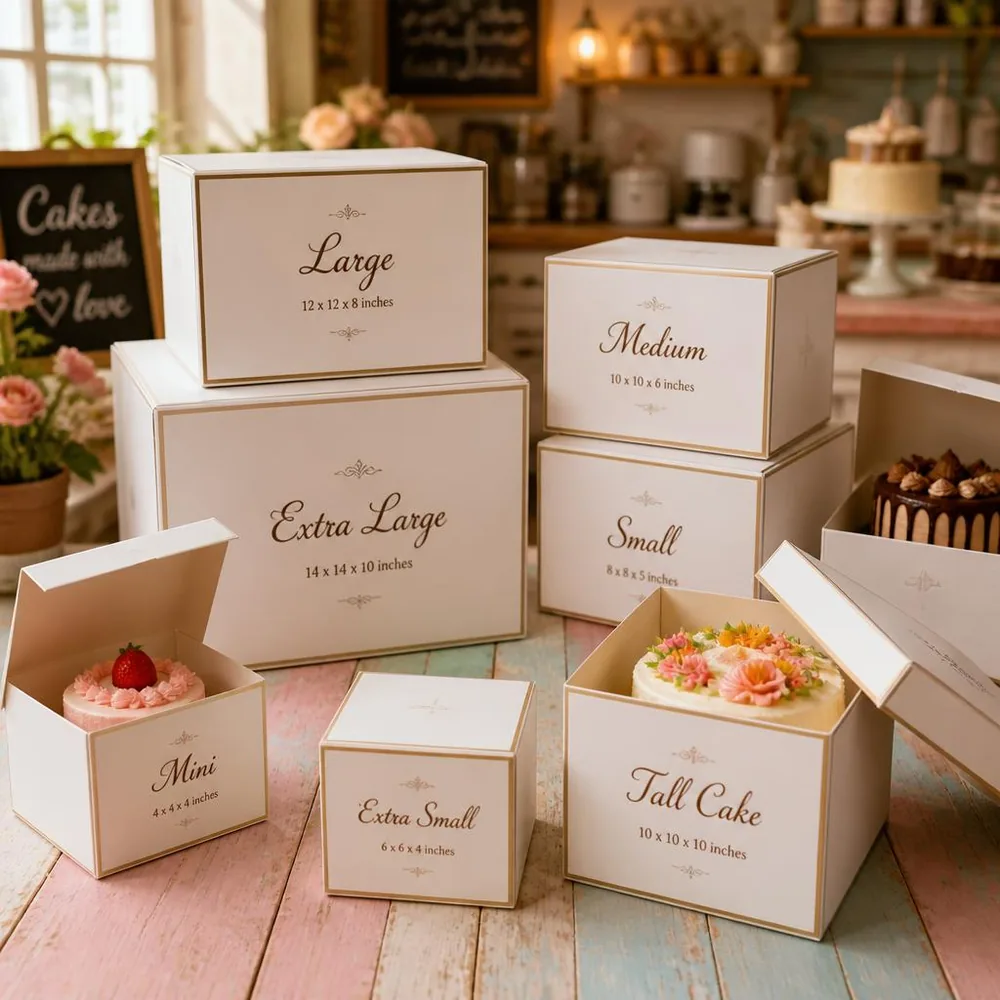
June 20, 2026
Cake Box Sizes: A Guide for Bakeries
Cake boxes follow fairly standard sizes tied to cake diameters and tiers. This guide covers common cake box dimensions, when to size up for tall cakes, and how to keep the cake secure.
Read More about Cake Box Sizes: A Guide for Bakeries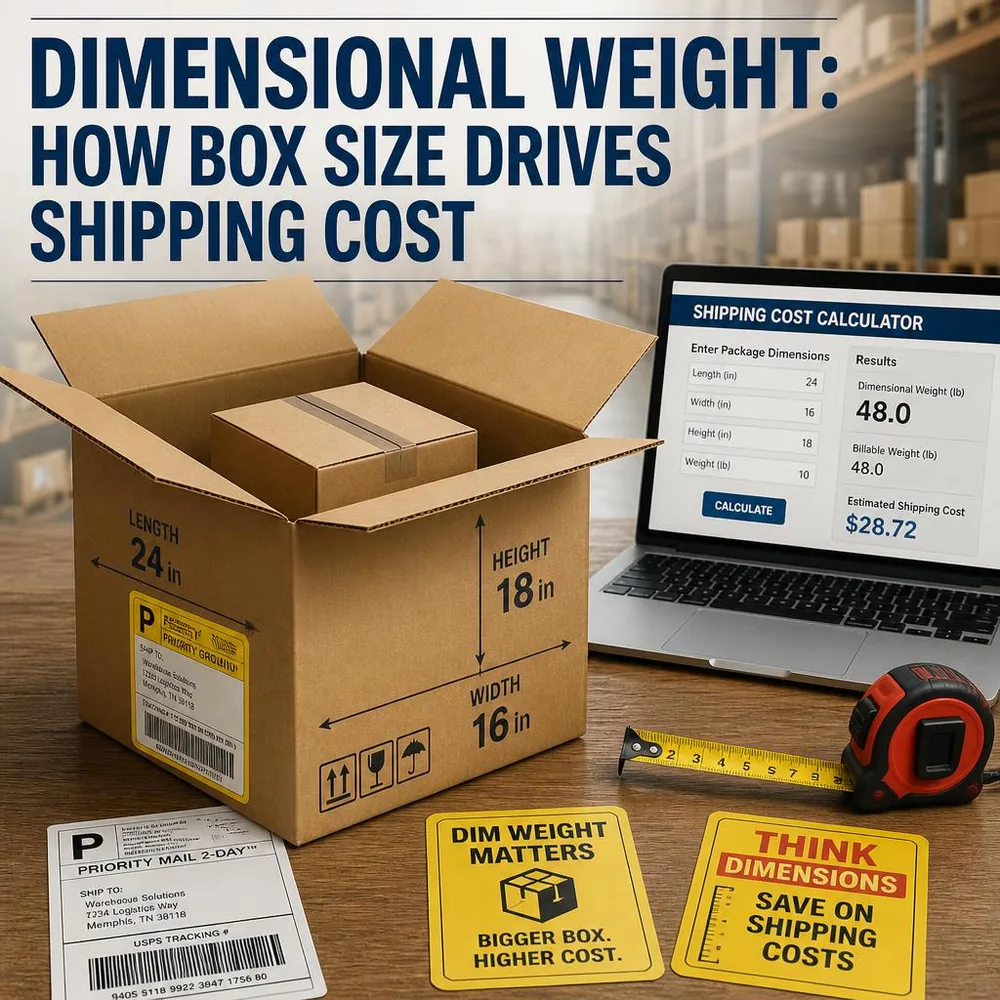
June 20, 2026
Dimensional Weight: How Box Size Drives Shipping Cost
Carriers often charge by box size, not just weight. This guide explains dimensional weight, how it's calculated, and how right-sizing your packaging can cut your shipping bill.
Read More about Dimensional Weight: How Box Size Drives Shipping Cost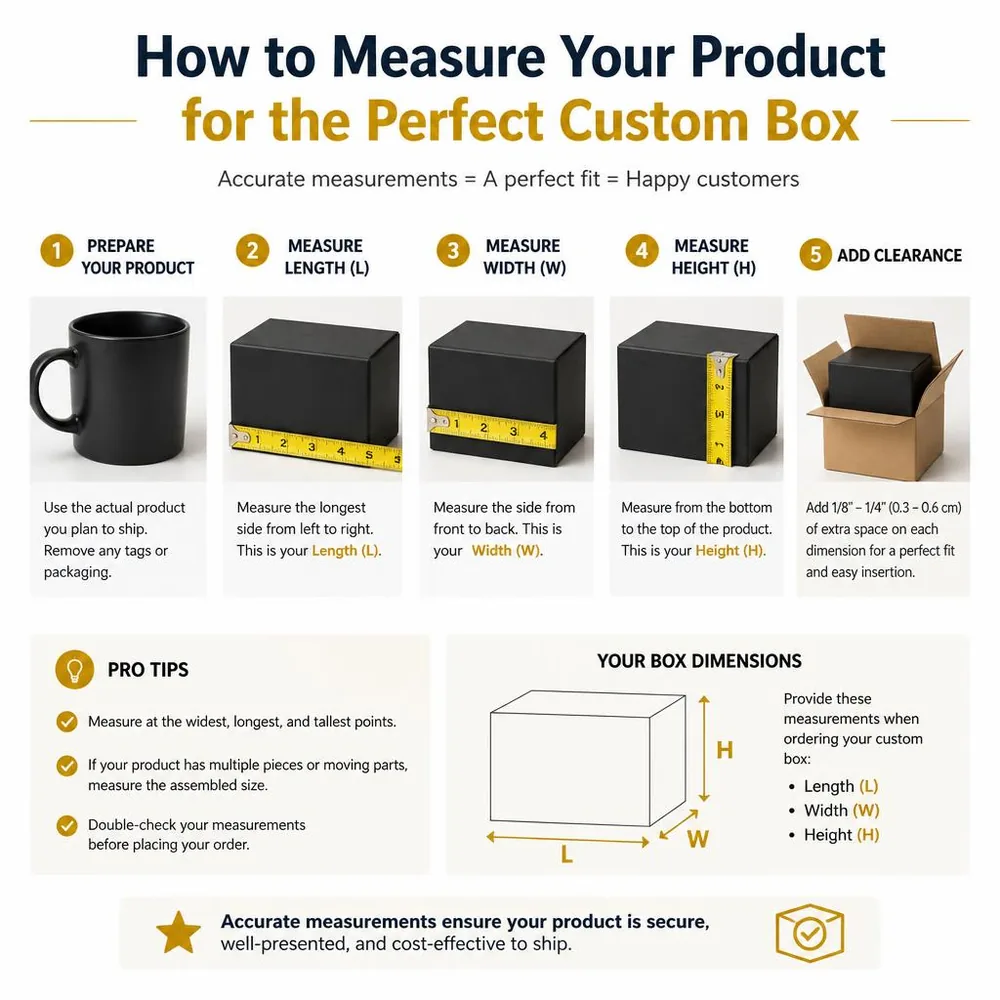
June 20, 2026
How to Measure Your Product for the Perfect Custom Box
Getting the size right means a snug fit, less damage, and lower shipping cost. This guide shows how to measure length, width, and height, the inner-vs-outer dimension rule, and how much clearance to allow.
Read More about How to Measure Your Product for the Perfect Custom Box