Blog · By The Packaging Vista Team · October 14, 2026
How to Package Soap for Shipping and Selling at Markets
Reviewed by Kate Johnson — Soap & Personal-Care Packaging Specialist
12+ years in soap, candle, and personal-care folding carton production. Specializes in breathable kraft sleeves, pillow boxes, window cartons, cold-process and cottage-food compliance. Reviews every stock + liner + label spec on this page.
Credentials: ASTM + FSC Chain-of-Custody trained, 500+ brand builds overseen on the plant floor. Last reviewed: November 2026.
Shipping soap is where most new makers lose their first few orders. A bar that looked perfect on the market table shows up dented, scented through the box, or with a smudged label that violates FDA cosmetic rules. This guide walks you through every step a US soap maker needs to pack and ship soap safely, from a one-bar sample all the way up to a six-pack subscription.
Quick answer
- Wrap first, then box. A shrink sleeve, kraft band, or printed carton protects the surface and keeps fragrance from leaking into neighboring packages.
- Pick a mailer that fits snug with roughly half an inch of cushioning on every side — dim weight on an oversized box kills your margin.
- Label for the FDA: ingredient panel, net weight in US customary and metric, and your business name and address.
- Choose the carrier by weight: USPS Ground Advantage under 1 lb, UPS or FedEx Home above 2 lb or when distance crosses zone 5.
Why soap is trickier to ship than it looks
Soap has three traits that fight shipping: it is heavy for its size, it is fragrant, and it is fragile at the edges. A 4 oz bar in a flimsy poly mailer travels through automated sort belts and lands on top of a 20 lb package. The corners chip, the shrink wrap tears, and the fragrance oils bleed into cardboard neighbors.
Good shipping packaging is a two-layer system: an inner barrier that touches the bar, and an outer mailer that absorbs the hits. The inner barrier is what we usually call soap packaging. The outer mailer is what we call the shipper. Both matter.
Step 1 — cure the bar before you ship
Cold-process bars need 4 to 6 weeks of cure before they are stable enough to ship. A bar shipped early will sweat inside sealed packaging, pull color out of the label, and sometimes develop a slick white film called glycerin dew. Melt-and-pour bars cure faster, roughly a week, but still need to breathe before you shrink-wrap them.
If you ship into warm states in July or August, hold back a batch cure for an extra week. The water loss during the extended cure gives you a sturdier bar that handles truck heat better.
Step 2 — pick the inner wrap or box
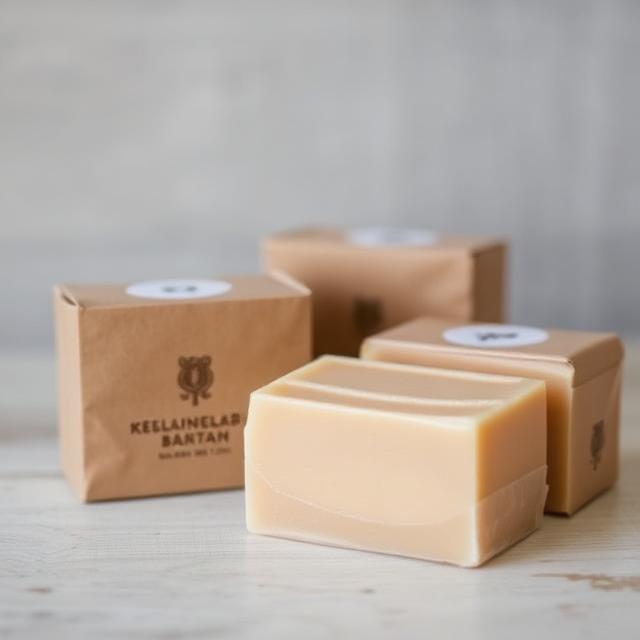
The three practical options for US handmade soap are shrink wrap, a paper band, and a printed carton. Each one maps to a different brand position.
| Wrap style | Who it fits | Shipping behavior |
|---|---|---|
| Shrink wrap sleeve | High-volume sellers, farmers markets, Etsy | Seals in fragrance, cheapest per unit, needs a heat gun |
| Kraft paper band | Rustic, eco-leaning, small-batch brands | Breathable, best for cured bars, cheapest material |
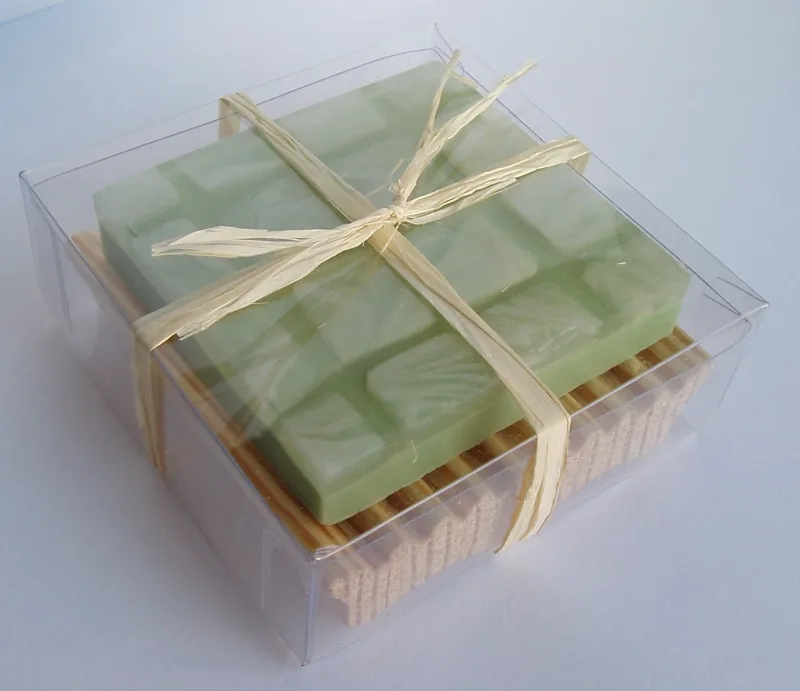
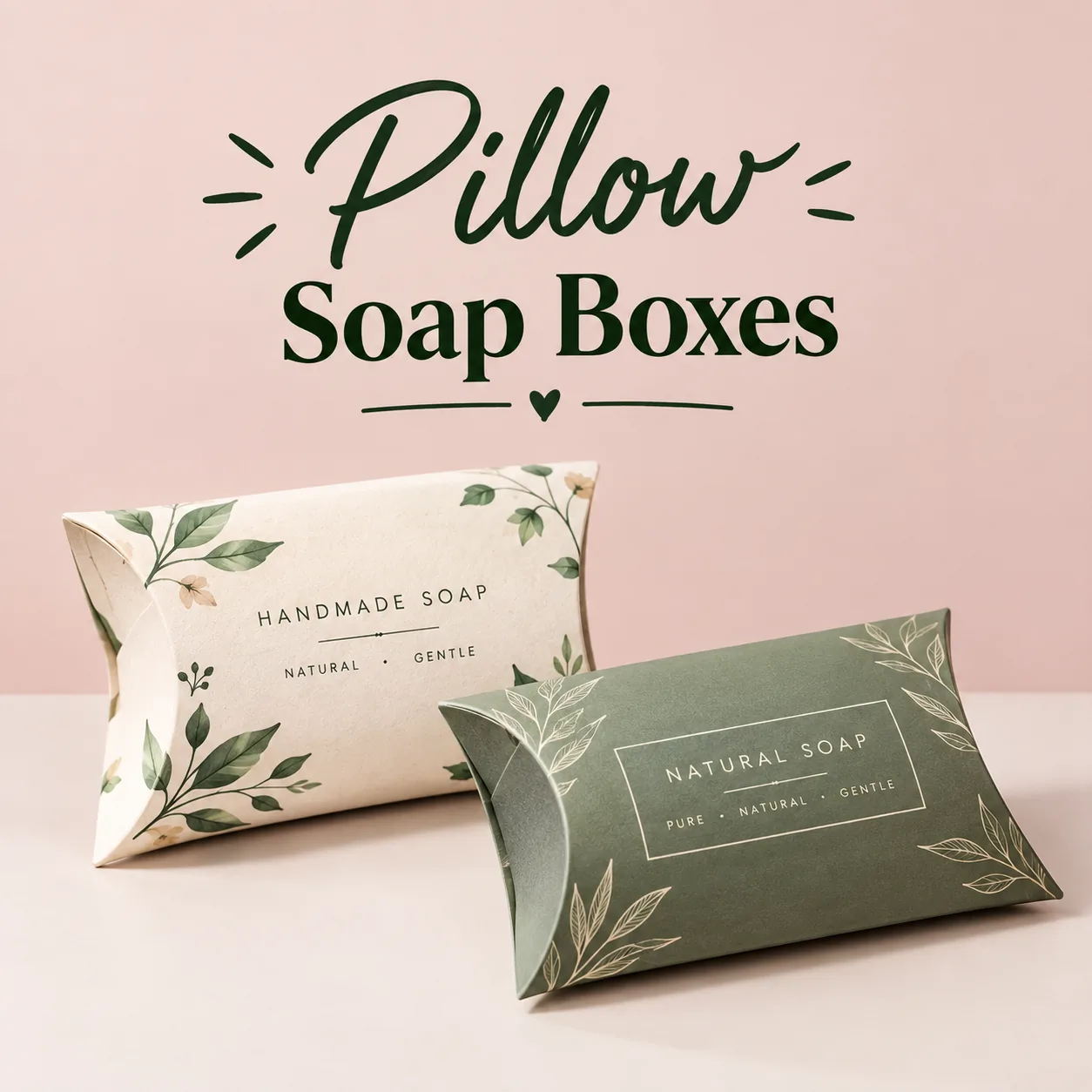
| Printed soap carton | Retail, gift sets, subscription boxes | Best protection, premium shelf appeal, higher per-unit cost |
Many sellers mix the three: a paper band on the market shelf, and a printed custom soap box for the gift set or wholesale account that goes to a retailer. The soap packaging guide walks through each wrap in more detail.
Step 3 — choose the right outer mailer
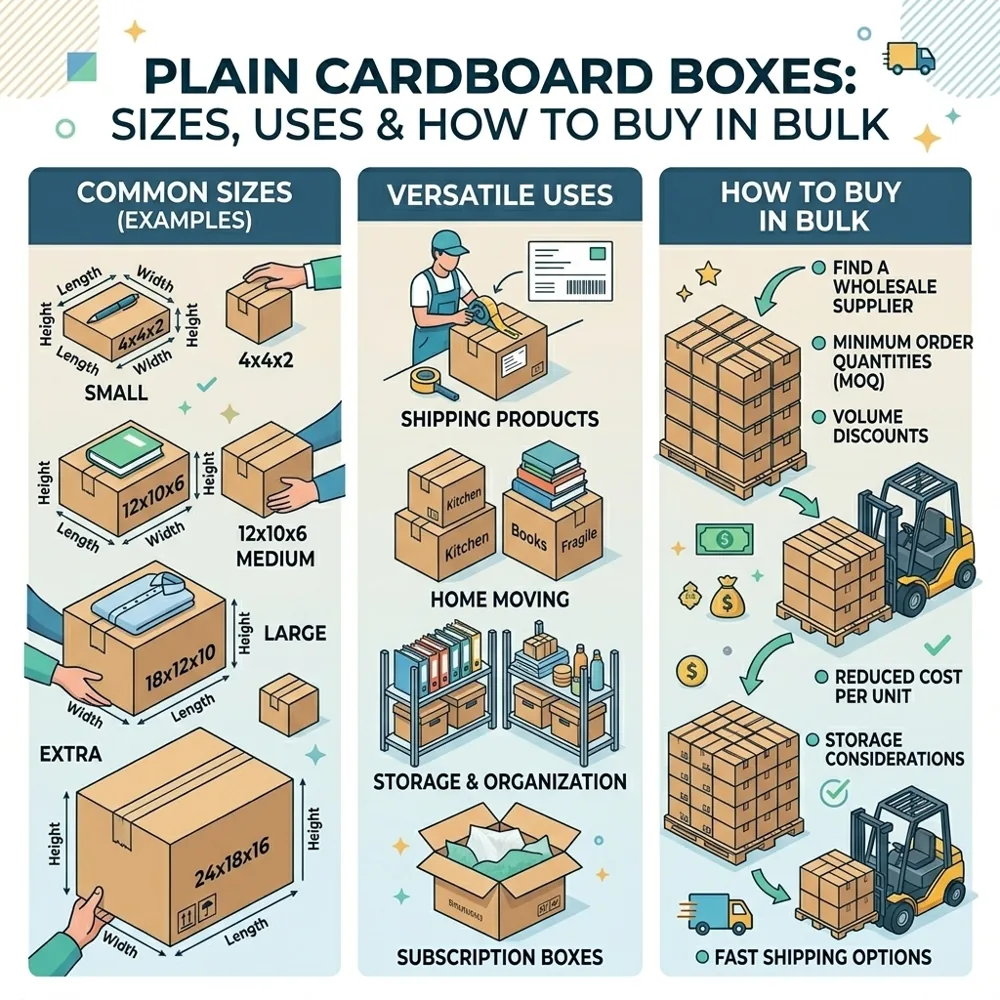
Sizing the mailer is where most soap makers overpay. A box that is too big ships at dim weight and pays for air. A box that is too small crushes the corners of the bar when the carrier stacks packages. The rule of thumb is half an inch of cushioning on every side of a wrapped bar.
- Single bar (3.5 x 2.5 x 1 in): a 6 x 4 x 2 in mailer
- Two bars stacked: a 6 x 4 x 3 in mailer or a two-bar insert tray
- Four-bar gift set: an 8 x 6 x 3 in mailer with cell dividers
- Six-bar subscription: a 9 x 6 x 3 in mailer with molded pulp tray
Corrugated is the usual pick because it survives automated sort. B-flute (about 1/8 in) is the sweet spot for soap — strong enough to absorb hits, thin enough to keep the box compact. Our custom branded mailer boxes run on B-flute by default, with free dieline work so you can size exactly to your SKU.
Step 4 — cushion the inside
The inner void is what keeps the bar from sliding in transit. Three choices work for soap:
- Kraft crinkle paper — the classic. Looks great in unboxing photos. Fully curbside recyclable. Cheap by the pound.
- Honeycomb wrap — a paper replacement for bubble wrap. Great for multi-bar sets. Costs a little more per unit.
- Molded pulp tray — the premium pick for subscription boxes. Holds each bar in a dedicated cavity. Needs tooling, but we skip die fees on our end.
Skip plastic air pillows if your brand story is eco-first. Shoppers who buy handmade soap read your packaging as a signal, and plastic void fill breaks the signal. If you need the look of plastic protection with paper performance, honeycomb wrap is the closest match.
Step 5 — label it correctly
Every bar of soap you sell in the US as a cosmetic needs a label that meets FDA cosmetic labeling rules. The rules are short, but they are strict:
- Your business name and complete US address (city, state, ZIP)
- Net quantity of contents in both US customary and metric (for example, Net Wt. 4 oz / 113 g)
- Ingredient list in descending order by weight, using INCI names
- Any required warnings (common for scrubs, salts, exfoliants)
If your bar is marketed as "cleansing" only, FDA treats it as soap and the rules relax — but the moment you say "moisturizing," "anti-aging," or any skin-benefit claim, it becomes a cosmetic. Most handmade bars sold at markets fall under cosmetic rules. The soap labels guide walks through the layout; MoCRA ingredient disclosure rules are summarized on our cosmetic boxes page.
Step 6 — pick the right carrier
Carrier choice drives half of your shipping margin. For a US soap maker, the rough breakpoints look like this:
- Under 1 lb, under $25 order value: USPS Ground Advantage. Flat regional rates. No dim weight on parcels under 1 cubic foot.
- 1–2 lb, local zones: USPS Priority Mail Flat Rate if the bars fit. UPS Ground wins once you cross zone 5.
- Over 2 lb, or multi-bar sets: UPS Ground or FedEx Home Delivery, both of which charge less than USPS Priority on gift sets.
- Fragile glass soap dishes bundled in: UPS, with declared value and ground-only service.
Weight-check every parcel on a scale before you drop it. A quarter-ounce over the break point is the difference between a $4.65 Ground Advantage label and a $9.20 Priority Mail label.
Shipping soap in hot weather
Melt-and-pour bars and bars with a high percentage of soft oils (olive, almond) soften above 95 F. Three practical rules:
- Ship Monday through Wednesday only, so parcels do not sit in a warehouse over a hot weekend.
- Use a slightly bigger mailer with insulating kraft wrap for July-August orders bound for AZ, NV, or TX.
- Switch to Priority Mail or UPS 2-day for zone 7-8 orders during a heat wave.
None of these cost much — they just need a plan. Add a note to your packing slip asking the customer to bring the parcel in from a hot porch quickly.
Packaging soap for farmers markets vs. shipping
The two use cases pull packaging in opposite directions. Market soap wants a quick-grab wrap, maximum shelf appeal, and a price-point friendly cost. Shipped soap wants a sealed inner barrier plus a cushioned outer mailer. Many makers run two SKUs of the same bar: a paper-band version for the booth, and a boxed-and-wrapped version for the website.
If you only run one SKU, pick the shipped version. It costs a few cents more per bar but survives both channels. Customers at the market will still buy it. The reverse is not true — a paper-band-only bar will not survive the shipping lane.
How to package soap for selling at farmers markets
Market pack-out is a different problem than shipping: the bar has to sell itself from three feet away, let shoppers smell it, and get into a tote bag without extra packing fuss. The market-day packaging stack most US indie soap sellers run:
- Primary wrap — kraft paper band, printed sleeve, or belly band around the center of the bar. Ends open so buyers can smell the fragrance before they commit. Carries scent name, ingredients, net weight, and your business address.
- Shelf grouping — a shallow wooden crate or stacked basket per scent, so the bars form a visual block of color on the table. Hand-written chalkboard price card above each.
- Bag-out — a stack of flat kraft gift bags with your logo stamped on the front. One bag per customer, scented bar tucked inside, maybe a business card. No tape, no wrapping ribbon — speed matters when a line forms.
- Testers — a cut end of each scent set out unwrapped on a plate so shoppers smell before they buy. One tester bar replaces 5–10 lost sales from "I can't smell it through the plastic."
- Compliance strip — your business name, address, and ingredients legible on every bar wrap. Market inspectors in many US states enforce the same cosmetic labeling rules whether you sell online or at a stall.
Market pack-out economics work in your favor: a $0.20 kraft band on a $7 bar is 3% of revenue, versus a $1.50 shipping box on an $18 online order which is 8%. Market margins are better per bar, but the brand surface is smaller — so the wrap has to work harder.
For the pre-market step (sourcing wraps and sleeves at 100-unit MOQ), see our how to package soap guide, and for the label layout that makes a market table look pro, see how to make soap labels and soap boxes.
Market seller rotation: how many bars, how many scents, how much stock?
Rule of thumb for a 6-hour US farmers market booth selling bar soap at $6–$10 per bar:
- Scents on the table: 6 to 10. Fewer than 6 reads thin; more than 10 slows shoppers' decisions and nobody buys.
- Bars per scent: 15 to 25 depending on bestseller status. Bring 2x your best-day forecast for your top 3 scents.
- Primary wraps on hand: 1.5x your projected sell-through. Market scuffs happen; have replacement sleeves ready.
- Bag-out stock: 1 bag per expected transaction, plus 10% buffer. Kraft bags fold flat in a bin under the table.
- Business cards + info cards: at least 50 for a 100-sale market. Give a card with every sale and leave a stack by the testers.
Unsold bars go back into the production inventory, so the only "market tax" is the kraft bag stock. The branded sleeves and bands reusable; the extra bag cost is $0.03–$0.08 per transaction.
Where PackagingVista fits
We are a US-based packaging supplier serving handmade soap brands with a 100-unit minimum, no die or plate fees, free dieline and 3D mockup, and 8-10 business-day production after proof approval. Common soap maker pairings:
- Custom printed soap boxes — the inner carton, in paperboard or kraft
- Custom mailer boxes — the outer shipper, in brown or printed B-flute corrugated
- Subscription boxes — for four- and six-bar monthly sets with insert cavities
- Kraft boxes — for the eco-leaning paper band or sleeve style
FAQ
What is the cheapest way to ship a single bar of soap in the US?
USPS Ground Advantage in a 6 x 4 x 2 in corrugated mailer. For a 4 oz bar wrapped in a shrink sleeve or kraft band, the label usually runs $4.50 to $5.50 depending on zone. Priority Mail Flat Rate Padded is cheaper only if you ship to zone 7-8 and the bar is already in a padded envelope.
Can I ship soap in a poly mailer instead of a box?
Only if the bar is already in a shrink sleeve or printed carton. A naked bar in a poly mailer gets crushed at the corners during automated sort. Even a boxed bar is safer in a small corrugated mailer than a poly bag, because the box resists the stacking load above it.
Do I need a label on both the soap and the shipping box?
Yes. The bar or inner carton carries the FDA cosmetic label (ingredients, net weight, your business address). The outer mailer carries the shipping label (recipient, carrier barcode, return address). You can print a branded insert card for the inside, but it does not replace the compliant label on the bar.
How do I package soap for farmers markets vs. shipping to customers?
Market soap can run on a paper band or a simple shrink sleeve, since shoppers carry the bar home in a tote bag. Shipped soap needs a sealed inner wrap and a cushioned corrugated mailer, because the parcel has to survive automated sort and stacking. Many sellers run one package style that works for both channels.
What is the smallest box I need to ship four bars of soap?
An 8 x 6 x 3 in mailer with a four-cell paperboard divider holds four 3.5 x 2.5 x 1 in bars safely. If the bars are shrink-wrapped, you can skip the divider and use kraft crinkle paper. If they are banded only, use the divider to keep fragrances from mixing in transit.
Does PackagingVista print both the soap carton and the shipping mailer?
Yes — both run on the same 100-unit minimum with no die or plate fees. Many of our soap brand customers order the two together so the carton and mailer share a color palette. Request a free quote with your bar dimensions and we will send a dieline for each piece.
Ready to get your soap shipping and market-ready? Browse custom soap boxes, pair them with printed mailer boxes, and request a free quote. For the pre-shipping step — how to wrap, box, and label the bar in the first place — see our pillar on how to package soap for selling and shipping; for the label design and soap-box-making side, see how to make soap labels and soap boxes.
Need advice on a specific SKU? Contact our team and we will size the box on your dimensions.