Blog · By The Packaging Vista Team · June 23, 2026
Custom Rigid Boxes in the USA: A Buyer's Guide to Working With a US-Based Supplier
Pick up a rigid box and you can feel the difference before you ever open it. The wall does not flex. The lid drops with a soft, planned settle. The whole thing has a heft that a folding carton can never fake.
That solidity comes from greyboard. Dense, laminated chipboard cut to 1.5–3 mm thick. Wrapped in printed paper. Built by hand into a fixed, non-folding structure.
It is the format brands reach for when the box itself is meant to say "this was expensive" – the moment product branding stops being print on paperboard and becomes something the buyer weighs in their hand. This guide covers how rigid boxes are built, why working with a US-based supplier simplifies the order, and how to spec your own.
For the structural basics, start with our complete guide to rigid boxes.
| Attribute | Detail |
|---|---|
| Greyboard thickness | 2–3 mm (2mm most common) |
| Wrap stock | SBS, art paper, textured specialty |
| Common closures | Lift-off, magnetic, hinged, drawer |
| Insert options | Foam, EVA, fitted paperboard tray |
| Print + finishes | CMYK + Pantone, foil, spot UV, soft-touch, emboss |
| MOQ / lead time | 100 boxes / 8–10 business days |
What greyboard thickness buys you
The defining spec of a rigid box is the caliper of the board under the printed wrap.
Folding cartons are usually 14–24 pt paperboard. They score and fold flat. A rigid box uses board several times thicker. It is cut, taped at the corners, and wrapped, not folded.
That is why it holds a square edge, resists crushing, and gives the lid that resistance buyers link with luxury.
Thicker board (closer to 3 mm) reads as more substantial. It shields heavier contents like a spirits bottle or a piece of electronics. Lighter rigid board keeps weight and cost down for smaller gift items. We help you match the caliper to the product. So the box feels right in the hand without over-building it.
Lid-and-base, magnetic, drawer, and book styles
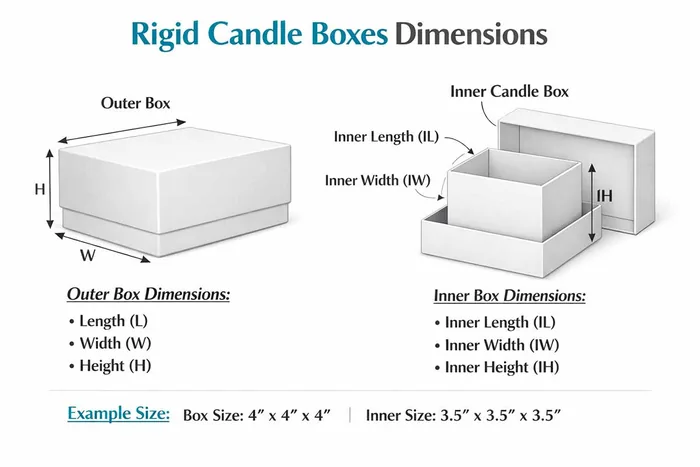
"Rigid box" covers several distinct builds. Each has its own opening ritual:
- Two-piece lid-and-base – the classic telescoping gift box. A separate lid lifts straight off the tray.
- Magnetic closure – a hinged book-style lid with hidden magnets that snap shut. Our magnetic closure rigid boxes are the most popular premium pick.
- Drawer and slide – an inner tray that pulls out of a printed sleeve. Nice for a reveal.
- Collar (shoulder) box – a lid that seats onto an inner collar for a precise, no-gap fit.
Each can take a fitted insert. So the product sits exactly where you want it on opening.
Why shipping and accountability matter more for rigid boxes
Most cartons ship flat and get folded at your site. So a single pallet holds thousands of them.
Rigid boxes are the opposite. They arrive fully built and hollow. So a shipment is mostly air, and freight on bulky volume adds up fast. Pre-formed boxes are also more prone to crushed corners and scuffed wraps in transit.
That is why our quote includes free shipping to all 50 states, so a bulky order never comes with a surprise freight bill. And if an order arrives short or dented, you deal with one US-based point of contact who sorts it out with you directly.
For a product where the unboxing is part of the brand, that trust is worth as much as the speed.
Finishes that make the wrap look the part
The paper wrap is a broad canvas for finishing. Rigid buyers usually want at least one premium touch.
Soft-touch matte lamination gives the box a velvety hand-feel. Foil stamping in gold, silver, or rose gold adds metallic shine to a logo. Embossing or debossing presses tactile depth into the surface. Spot UV lays selective gloss over a matte ground.
The trick is restraint. One confident hero finish almost always reads richer than three fighting for attention. Our foil stamping guide and wider box finishes guide walk through how each one prints on a wrap.
Inserts turn a box into a presentation
A rigid box is only as premium as the way it cradles the product.
A fitted insert – molded paper pulp, foam, or rigid paperboard – holds each item in place. Nothing rattles in shipping. Everything sits neatly on opening.
That is what sets a memorable gift set or subscription drop apart from a product loose in a pretty box. To weigh the options, compare foam against paperboard inserts and see the wider inserts and unboxing guide.
Specs, minimums, and turnaround
Working with us does not need a container-load. We start at 100 boxes. We charge nothing for the die, the plate, or setup. So a custom size, a magnetic closure, or a foil hit adds no tooling cost.
You get a free dieline and a 3D mockup to approve the build and finish before anything is built. Production usually runs about 8 to 10 business days after you sign off. Rush is on offer for launch dates. Every order ships free anywhere in the US.
Our packaging cost guide shows what drives rigid pricing. You can spec your own custom rigid setup box directly. Rigid sits at the premium tier of branded retail packaging if you want to compare formats.
You can also see custom rigid box styles at OLX Packaging for more layout ideas.
Frequently Asked Questions
How thick is the board in a rigid box?
Rigid boxes use greyboard chipboard about 1.5 to 3 mm thick. That is several times the caliper of a folding carton. We help you pick a thickness that matches the weight of your product. Heftier board for bottles or electronics. Lighter board for small gift items.
What is the difference between a rigid box and a folding carton?
A folding carton is thin paperboard that scores and ships flat. Then it folds at your site. A rigid box uses thick chipboard that is cut, corner-taped, and wrapped in printed paper into a fixed, non-folding shape. That is why it feels substantial and holds a crisp square edge.
Can you add a magnetic closure and a fitted insert?
Yes. We build hinged magnetic-closure lids with hidden magnets. Plus fitted inserts in molded pulp, foam, or paperboard. So your product sits exactly in place. Both are confirmed on your 3D mockup before production. Neither carries a tooling fee.
What should I look for in a US-based rigid box supplier?
A US point of contact during US business hours. A free dieline and 3D mockup so you approve the build and finish first. No die, plate, or setup fees on magnets or foil. A clear lead time, like our 8 to 10 business days after proof approval with rush available. And shipping included, so a bulky pre-built box does not bring a surprise freight bill.
What finishes work best on a rigid wrap?
Soft-touch lamination, foil stamping, embossing or debossing, and spot UV all print well on the paper wrap. We print full CMYK plus Pantone spot colors for exact brand matching. We usually suggest leading with one hero finish for the most premium result.
How do I choose the right rigid box style for my product?
Match the opening ritual to the product story. A two-piece lid-and-base fits classic gift items where the lift-off reveal matters. Magnetic closure suits electronics, jewelry, and beauty where the buyer wants a hinged book-style open. Drawer-and-slide creates suspense for subscription drops.
Collar (shoulder) boxes deliver a precise, no-gap fit for spirits and premium bottles. We build all four to your dieline free of tooling charges.
What are the benefits of a rigid box over a folding carton for premium goods?
Rigid signals value before the buyer opens it. The wall does not flex, the lid drops with a planned settle, and the hand-feel telegraphs “expensive” in a way a folding carton cannot. It also protects heavier or fragile contents better, doubles as keepsake storage buyers reuse, and gives you a larger, flatter canvas for hero finishes like foil and soft-touch.
For gift, luxury, and hero SKUs, the format itself does part of the selling.
How much do custom rigid boxes cost in the USA?
Pricing is quote-based and moves with size, board caliper (1.5–3 mm), wrap stock, print, and finish choices like foil, spot UV, or a magnetic closure. Because we charge no die, plate, or setup fees, adding a magnet or a foil hit does not add tooling cost. Free US shipping is included, so the bulk of shipping pre-formed boxes never shows up as a separate freight charge.
Are custom rigid boxes worth the premium over a folding carton?
For hero SKUs, gift sets, and premium launches, yes. The unboxing experience drives review photos, social shares, and repeat purchases in a way a folding carton rarely does. Because we start at 100 boxes with no tooling fees, you can test one hero SKU in rigid without committing to a container.
If the format doesn’t lift conversion or reviews, you have learned cheaply; if it does, reorder into the winner.
Part of our luxury and rigid packaging guide — the pillar reference for every luxury and rigid topic on this blog.