Blog · By The Packaging Vista Team · October 18, 2026
Custom Cereal Boxes: Styles, Dimensions, Food-Safe Materials & Printing Costs
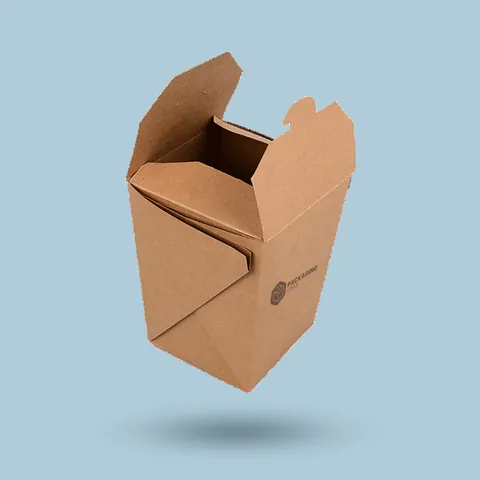
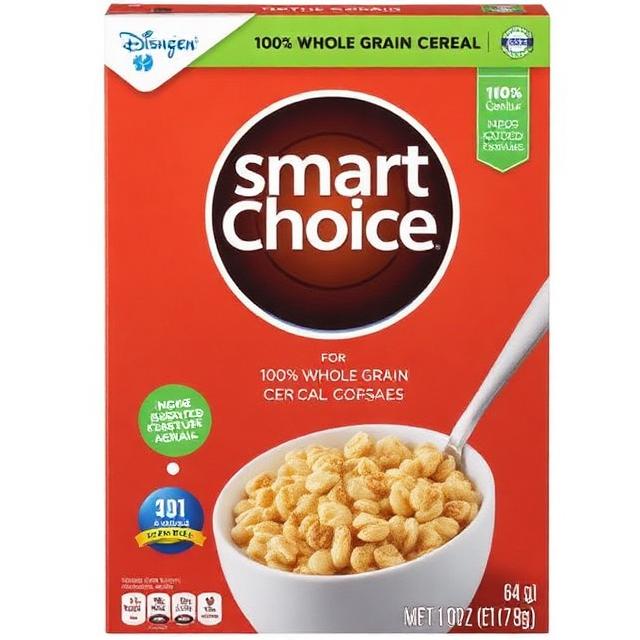
Whether you are starting an artisan cereal brand, running an e-commerce food startup, or executing SEO and competitor research for food packaging, custom cereal boxes play a critical role in brand recognition, product protection, and market positioning. The cereal aisle is one of the most visually dense categories in retail: shoppers decide in under three seconds, and the box is doing nearly all of the selling.
This guide walks through the box styles, standard dimensions, food-safe materials, FDA labeling panels, and print economics behind a US-shelf-ready cereal box.
Key takeaways
- Standard retail cereal box: 7.5 × 2 × 11 in (12 oz) or 10 × 2.5 × 12.5 in (18 oz), 18–24 pt SBS paperboard with inner HDPE or glassine liner bag.
- Window cutout styles show granola, muesli, and shaped cereal; single-serve mini cartons fit variety packs and subscription boxes.
- FDA compliance: 21 CFR 176.170 for food-contact substrates, soy or water-based inks, Nutrition Facts panel, allergen statement, and net weight on prescribed panels.
- 100-box MOQ with no die, plate, or setup fees — a first batch for a new SKU lands at the same tooling cost as a 50,000-unit wholesale run.
1. Popular cereal box styles and finishes
Cereal is a dry, lightweight food packed in high-SKU-count assortments, so the box is working as the primary brand surface and the protective layer at the same time. Five box styles cover almost every cereal application on the US shelf:
| Box style / finish | Primary material | Ideal use case |
|---|---|---|
| Standard straight tuck-end | SBS paperboard (16–24 pt) | Traditional retail cereal boxes on supermarket shelves |
| Eco-friendly kraft cereal boxes | Unbleached kraft cardstock | Organic, gluten-free, or eco-conscious cereal brands |
| Window cut-out boxes | Paperboard with clear PVC or bio-film window | Showing unique cereal shapes, granola, or colorful toppings |
| Single-serve / mini cereal boxes | Lightweight cardstock (14–16 pt) | Variety packs, hotel breakfast buffets, subscription boxes |
| Luxury / premium accents | Spot UV, gold foil, embossing on SBS | Keto, low-carb, and gourmet breakfast cereals |
SBS (solid bleached sulphate) is the US retail cereal standard because it prints bright, holds a clean nutrition-panel line, and takes photo-grade CMYK on the hero panel. Kraft is the eco-signal for granola, muesli, and clean-label brands; it reads organic the moment a shopper picks it up.
Windows let brands sell product differentiation on sight — granola clusters, flavored puffs, chocolate shapes — and are a common pick for premium granola at $7+ per box. See the full material comparison in our SBS cardboard guide and kraft boxes guide.
2. Standard cereal box dimensions in inches and mm
US retail cereal runs on a narrow set of pack sizes defined by the shelf planogram and the per-box fill weight. The nine most common sizes:
| Pack size | Dimensions (L × W × H, inches) | Dimensions (mm) | Typical fill weight |
|---|---|---|---|
| Single-serve mini | 3.75 × 1.5 × 5 | 95 × 38 × 127 | 0.75–1.25 oz (21–35 g) |
| Travel / 2-pack | 5 × 1.75 × 7 | 127 × 44 × 178 | 2–3 oz (56–85 g) |
| Small (10 oz) | 6.5 × 2 × 9.5 | 165 × 51 × 241 | 8–11 oz (227–312 g) |
| Standard (12 oz) | 7.5 × 2 × 11 | 191 × 51 × 279 | 11–14 oz (312–397 g) |
| Large (18 oz) | 10 × 2.5 × 12.5 | 254 × 64 × 318 | 16–20 oz (454–567 g) |
| Family (24 oz) | 11 × 3 × 13 | 279 × 76 × 330 | 22–28 oz (624–794 g) |
| Jumbo / club (36 oz+) | 12 × 4 × 15 | 305 × 102 × 381 | 36–48 oz (1,021–1,361 g) |
| Granola / premium (12 oz) | 5.5 × 3 × 8.5 | 140 × 76 × 216 | 10–14 oz (284–397 g) |
| Variety / sampler bundle | 8 × 6 × 6 (holding 6–10 minis) | 203 × 152 × 152 | 6–12 oz across minis |
The two highest-volume sizes on US shelves are the 12 oz standard (7.5 × 2 × 11 in) and the 18 oz large (10 × 2.5 × 12.5 in) — between them they cover about 70% of center-store cereal placements. Granola and premium brands use smaller taller cartons (5.5 × 3 × 8.5 in) that read as "artisan" and command a higher price per ounce.
Single-serve 1 oz minis are the subscription-box and hotel-breakfast standard. We size the dieline to your exact fill weight and vendor cereal-flow spec, so your bag-in-box pack rate stays accurate across production.
3. Food-safe materials for custom cereal box packaging
Cardboard is not directly food-contact-safe on its own — paperboard fibers can shed, and uncoated board can absorb oils from the cereal. US cereal packaging almost always uses a two-layer system:
- Outer printed carton: SBS, FBB (folding boxboard), or kraft paperboard, printed with FDA-compliant soy or water-based inks per 21 CFR 176.170 (components of paper and paperboard in contact with aqueous and fatty foods).
- Inner liner bag: HDPE (high-density polyethylene) is the US industry standard for cereal; it is heat-sealable, keeps the product crisp, and prevents oil migration into the paperboard. Glassine or biodegradable PLA liners are the eco alternative for clean-label and compostable brands.
Three material rules the FDA enforces on cereal packaging:
- Food-contact substances must be approved. HDPE liner material is FDA-cleared under 21 CFR 177.1520; SBS and FBB outer board is cleared under 21 CFR 176.170 when the liner is in place.
- Inks must be FDA-compliant. Vegetable-based or soy-based water-soluble inks avoid chemical odor migration into cereal, which is particularly important for low-moisture high-oil products like granola and muesli.
- Labeling panels follow 21 CFR 101. Nutrition Facts Panel (format per 21 CFR 101.9), ingredients list, allergen statement under FALCPA 2004 (Food Allergen Labeling and Consumer Protection Act), net weight in metric and US units, and manufacturer/distributor name and address.
We build the dieline with reserved real estate for the Nutrition Facts panel (usually the right side panel or back-left column), allergen call-out zone, UPC barcode (bottom-right of front or back panel), and manufacturer line. Nothing gets cropped at die-cut.
4. How do you design a cereal box for a new brand?
Twelve-step process from concept to first production run:
- Lock the fill weight. Pick 10, 12, 14, 18, or 24 oz. The fill weight drives the box dimensions and the ounces-per-cubic-inch volumetric that determines how the cereal flows into the liner bag at co-pack.
- Pick a shelf benchmark. Walk the cereal aisle and photograph three competitors at your price tier. Your box has to earn attention next to those three in a 2.5-second shopper glance.
- Choose box style. Standard tuck-end for retail, kraft for organic, window cutout for granola or shaped cereal, single-serve mini for variety-pack or hotel.
- Choose stock. 18 pt SBS is the retail standard, 20–24 pt for larger family-size boxes that need extra board stiffness, 16 pt kraft for eco brands, 14–16 pt lightweight for single-serve.
- Build the dieline. We draft a free dieline sized to your fill weight with crease marks, dust-flap tolerances, glue-tab placement, and a Nutrition Facts safe zone.
- Design the hero panel. Front panel reads from six feet away: brand mark, product name, cereal visual, and one benefit callout (high fiber, no added sugar, gluten-free). More than three design elements and the panel loses legibility.
- Lay out the back and side panels. Nutrition Facts goes on the right side panel (or lower-right back); ingredients and allergens below it; brand story and recipe/activity content on back; UPC bottom-right; manufacturer line at the bottom of the ingredient panel.
- Choose finishes. Soft-touch lamination for premium granola, spot UV on the logo for mid-tier retail, gold foil for keto and gourmet positioning, straight CMYK matte for value-tier.
- Add window if specified. Die-cut shape (oval, rectangle, custom), PVC or bio-film patching, or open window for air permeability on fresh granola.
- Review on a free 3D mockup. You see every panel assembled before any plate is cut.
- Approve the digital proof. We lock the dieline, inks, and finish spec.
- Print, die-cut, glue, ship flat-packed. Standard 8–10 business-day turnaround after proof approval, free US shipping.
5. Custom printed cereal boxes with logo: wholesale pricing
Cereal box pricing scales by fill-size, stock weight, print coverage, finishes, and quantity. Typical pricing at a 500-unit run on a 12 oz standard (7.5 × 2 × 11 in, 18 pt SBS):
- Full CMYK, no finishes: $0.45–$0.75 per box
- CMYK + soft-touch or matte lamination: $0.60–$0.95 per box
- CMYK + spot UV logo: $0.55–$0.90 per box
- CMYK + gold foil + emboss (premium stack): $0.85–$1.40 per box
- Window cutout with PVC patching: add $0.08–$0.18 per box
- Kraft stock instead of SBS: −$0.05 to −$0.10 per box (kraft is slightly cheaper)
Per-box cost drops 30–40% from 500 to 5,000 units; wholesale runs of 10,000–50,000 units hit industry-floor pricing at $0.20–$0.40 per box for a standard CMYK carton. There are no die, plate, or setup fees on any run, so your first 100-box small-batch test and your 50,000-unit scale-up use the same tooling cost.
Send fill weight, dimensions, and target quantity on the quote form for exact per-box pricing.
6. Small-batch and low-MOQ cereal box printing
Our 100-box minimum is built for exactly the three use cases that mass-market cereal manufacturers refuse: new-brand launches testing one SKU, farmers-market and specialty-food brands running under 1,000 boxes a month, and single-serve variety packs where each flavor needs its own dieline.
No die, plate, or setup fees mean a 100-box test batch of a new flavor costs the same tooling as the eventual 50,000-unit wholesale run — only the per-box print cost changes.
Common small-batch launch pattern: 100 boxes for a farmers-market or Shopify launch to validate pack art + fill accuracy, then 500 for a regional natural-foods distributor pitch, then 5,000–10,000 as placement builds across Whole Foods, Sprouts, or regional co-op chains.
7. Eco-friendly kraft cereal packaging boxes
Kraft paperboard is the eco-signal for organic, gluten-free, non-GMO, and clean-label cereal brands. Unbleached kraft has a warm brown earthy appearance that reads "artisan" and "natural" the moment a shopper picks it up — and it carries that story with honest materials claims: recyclable in nearly every US curbside program (US paper recovery is 76% per US EPA), FSC-certified options available, and soy or water-based inks keep the full build recyclable.
Pair kraft outer with a glassine or compostable PLA inner liner for a fully compostable claim under the FTC Green Guides (16 CFR Part 260) — HDPE liner is recyclable but not compostable, so match the inner to the outer story.
8. Window cutout cereal boxes
A die-cut window on a cereal box turns the cereal into the shelf hero. Granola brands use ovals to show cluster texture; shaped-cereal brands (letters, shapes, colored puffs) use rectangles to show the product variety; kids' cereal uses themed custom shapes (bear, star, dinosaur) that read as fun.
The window is backed with clear PVC or compostable bio-film to seal the carton; an open window is used only on fresh-granola brands that want air permeability through the kraft outer.
Window placement matters more than window size: a window on the lower-right of the front panel sees 40–60% more shopper gaze than one on the upper-left, because US retail shoppers scan hero panels in an F-pattern. We suggest window placement based on your front-panel design and the product you want visible.
9. Custom single-serve cereal box manufacturer
Single-serve mini cereal boxes (3.75 × 1.5 × 5 in, holding 0.75–1.25 oz) are the format for hotel breakfast buffets, subscription variety packs, airline catering, school foodservice, and e-commerce sampler bundles. Minis use a lighter 14–16 pt cardstock to keep the carton weight down and the per-box cost low; because the box is small, every print and finish choice reads intensely — a logo at that scale is roughly the size of a US quarter.
Variety-pack sampler bundles pair 6–10 mini cartons (one per flavor) inside a larger printed outer sleeve. We print the mini SKUs and the outer sleeve on matched artwork so the brand reads consistently from the sampler shelf-tag down to each individual flavor.
10. Cereal box template dieline
Downloadable "free cereal box templates" are everywhere online, but almost all of them are generic school-project PDF cutouts not sized for a specific fill weight or FDA panel real estate. For a brand that is going to print and sell, send us your cereal product, target fill weight, and vendor fill-rate spec and we build the dieline to your exact spec — crease marks, dust flaps, glue tab, Nutrition Facts safe zone, window cutout (if specified), and tolerance margins all accounted for.
The dieline is free on every quote and arrives with a 3D mockup you approve before anything prints.
Standard retail dielines we hold in-house: straight tuck-end (STE), reverse tuck-end (RTE), auto-bottom tuck-top (ABTT), and seal-end carton (SEC) for cereal in every size from single-serve mini to family 24 oz.
Food safety and structural quick-reference
- 21 CFR 176.170 — FDA regulation on paper and paperboard in contact with aqueous and fatty foods. Applies to the SBS, FBB, or kraft outer carton.
- 21 CFR 177.1520 — FDA regulation on olefin polymers (HDPE, LDPE). Applies to the inner liner bag.
- 21 CFR 101.9 — Nutrition Facts Panel format. Mandatory on every retail cereal SKU; the 2016 update added "Added Sugars" and shifted the DV (Daily Value) baseline.
- FALCPA 2004 — Allergen declaration for the eight major allergens plus sesame (added 2023). Mandatory "Contains" statement.
- FTC Green Guides (16 CFR Part 260) — Recyclability, compostable, and biodegradable claims substantiation.
- FDA GRAS — Food-contact inks under GRAS or formal 21 CFR 175 clearance. Soy and water-based inks are standard.
Frequently asked questions
What is the standard cereal box size?
The US retail standard is 7.5 × 2 × 11 inches (191 × 51 × 279 mm) for a 12 oz box and 10 × 2.5 × 12.5 inches (254 × 64 × 318 mm) for an 18 oz box. Granola and premium cereals use smaller taller cartons around 5.5 × 3 × 8.5 inches; single-serve minis run 3.75 × 1.5 × 5 inches.
What is the minimum order quantity for custom cereal boxes?
100 boxes with no die, plate, or setup fees. The 100-box MOQ was built for small-batch and artisan cereal launches testing a new flavor, farmers-market and specialty-food brands, and single-serve variety packs where each flavor needs its own dieline.
How much does it cost to print custom cereal boxes in bulk?
At a 500-unit run on a 12 oz standard SBS carton: $0.45–$0.75 for straight CMYK, $0.60–$0.95 with soft-touch lamination, $0.85–$1.40 for a premium gold foil + emboss stack. Per-box cost drops 30–40% from 500 to 5,000 units; wholesale runs of 10,000–50,000 units land at $0.20–$0.40 per box. No die, plate, or setup fees on any run.
Are custom cereal boxes food-safe?
Yes when correctly built as a two-layer system: the outer printed carton (SBS, FBB, or kraft paperboard) sits over an inner HDPE, glassine, or compostable PLA liner bag that holds the cereal. Outer board is FDA-cleared under 21 CFR 176.170; inner HDPE is cleared under 21 CFR 177.1520. Inks are soy or water-based for food-contact compliance.
Can I get a free cereal box template or dieline?
Yes — every quote includes a free custom dieline sized to your exact fill weight, structure (straight tuck-end, reverse tuck-end, auto-bottom, seal-end), and panel-layout spec, plus a 3D mockup you approve before anything prints. The dieline is accurate to your Nutrition Facts panel, allergen zone, UPC placement, and window cutout — not a generic PDF template.
Do you print window cutout cereal boxes?
Yes — die-cut windows in rectangular, oval, or custom shapes, patched with clear PVC or compostable bio-film, or left open for air permeability on fresh granola. Window cutout adds $0.08–$0.18 per box at a 500-run.
What's the best material for eco-friendly cereal boxes?
Unbleached kraft paperboard for the outer carton paired with glassine or compostable PLA for the inner liner. The build is fully recyclable (kraft) or compostable (kraft + PLA liner) under the FTC Green Guides substantiation. HDPE inner liner is recyclable but not compostable, so match the inner to the outer story.
Can you make single-serve cereal boxes for subscription or hotel use?
Yes — single-serve mini cereal boxes at 3.75 × 1.5 × 5 inches holding 0.75–1.25 oz are a standard SKU for hotel breakfast buffets, subscription variety packs, airline catering, school foodservice, and e-commerce sampler bundles. We also print variety-pack outer sleeves that hold 6–10 flavors in a matched-artwork sampler.
Launching a cereal brand? Browse custom cereal boxes, see the full food-packaging range at food and beverage boxes, compare material options in our SBS cardboard guide and kraft boxes guide, go deeper on compliance in our food-safe packaging guide, then request a free quote with your fill weight, dimensions, and target quantity.
Part of our food and beverage packaging guide — the pillar reference for every food and beverage topic on this blog.