Blog · By The Packaging Vista Team · October 28, 2026
Custom Inserts 101: Types, Uses, and When to Invest
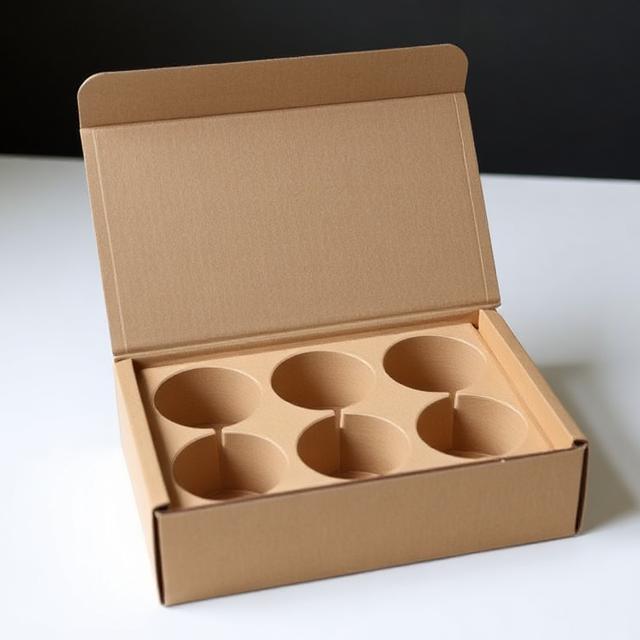
A packaging insert is what separates a box that looks premium from one that just protects. It is also what stops a glass bottle from rattling, keeps a multi-piece kit organized, and gives the customer a moment of "they thought about this" when they first open the box. Here are the five insert types brands actually order, when each one earns its spot, and what the cost difference looks like.
What is a packaging insert?
An insert is a secondary piece inside the primary box that holds, cradles, or organizes the product. It is cut from paperboard, foam, pulp, corrugated, or a bespoke material and sized to the exact product dimensions. Inserts are what make unboxing feel designed instead of accidental.
The five insert types
1. Paperboard insert (die-cut)
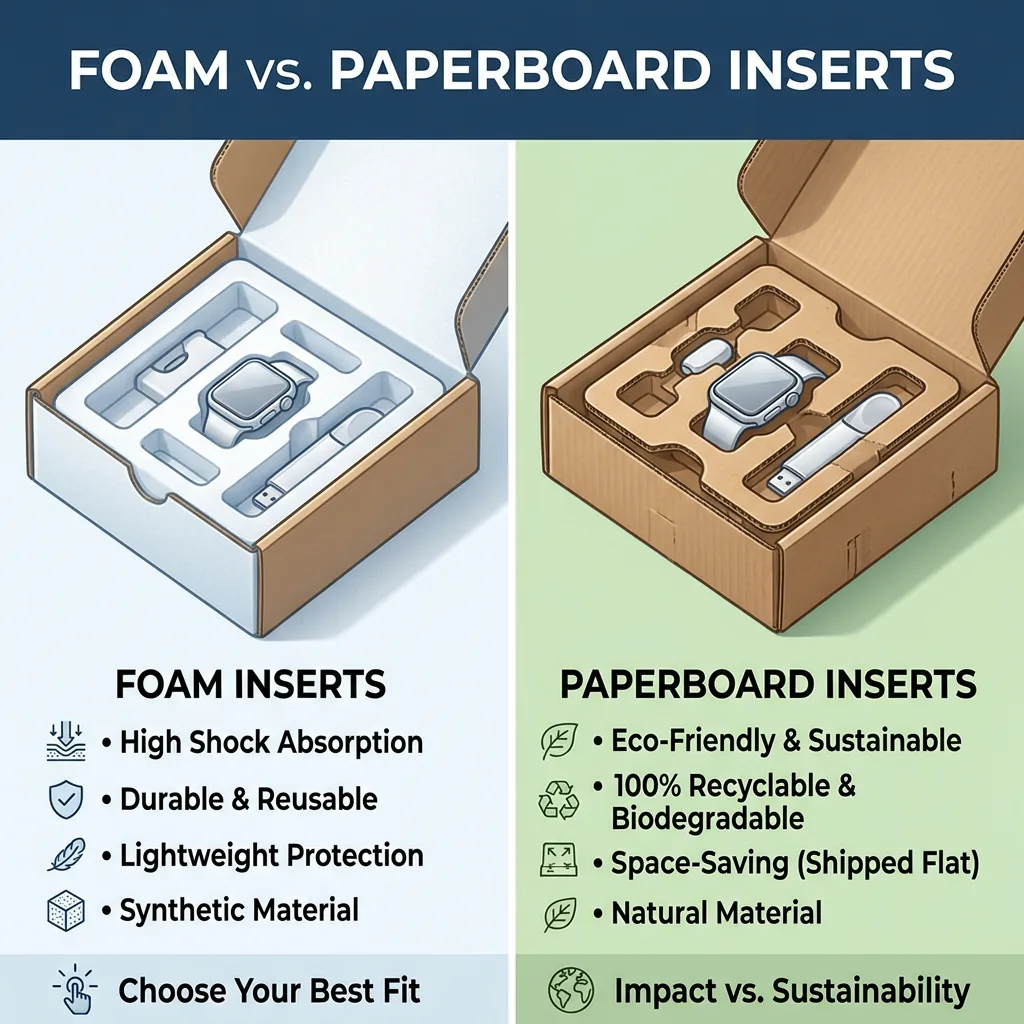
A flat paperboard sheet cut to cradle the product — the simplest and cheapest option. Great for cosmetics boxes holding a single bottle, soap bars that need a divider, or cosmetic kits with a shallow 2–3 piece layout.
- Best for: single product retail cartons, soap, lip products, sampler kits
- Cost impact: +$0.08–$0.25 per unit at 100
2. EVA foam insert
Closed-cell foam cut to the product shape — the standard for luxury, electronics, and anything fragile. The dense foam cradles the product and absorbs impact in transit. Reads as high-end on open.
- Best for: jewelry, watches, electronics, premium cosmetics, fragrance
- Cost impact: +$0.40–$1.50 per unit at 100 depending on thickness and die complexity
3. Molded pulp insert
Pressed from recycled paper pulp into the product shape — the sustainable alternative to EVA foam. Compostable, recyclable, and increasingly used in beauty, DTC, and electronics.
- Best for: sustainability-forward brands, electronics, beauty
- Cost impact: +$0.35–$1.20 per unit at 100; tooling cost for the mold is amortized across the run
4. Corrugated insert
Die-cut corrugated board that creates slots, dividers, or honeycomb-style cells inside the box. Best for shipping cartons and heavier product where corrugated handles the weight.
- Best for: wine and beverage shipping, multi-pack electronics, hardware kits
- Cost impact: +$0.25–$0.80 per unit at 100
5. Custom die-cut cardboard tray
Hybrid between paperboard insert and corrugated — a thin cardboard tray with die-cut cavities for a multi-piece kit. Common inside sleeve-and-tray constructions.
- Best for: starter kits, 3-step routines, holiday bundles, PR mailers
- Cost impact: +$0.30–$0.90 per unit at 100
When to invest in an insert
Three triggers justify adding an insert:
- Fragile product. Glass, ceramic, electronics, anything that cracks. The insert is cheaper than the damage return.
- Multi-piece kit. If the box holds 2+ SKUs, an insert organizes them so the arrangement survives shipping and reads as curated on open.
- Retail price positioning. Above $40–$50 retail, inserts start paying for themselves in perceived value and unboxing content.
How we quote inserts
At Packaging Vista we build inserts alongside the box on the same quote. The design team sizes the insert to your product dimensions, we recommend the material based on product fragility and brand positioning, and the insert runs on the same production timeline as the box. See our custom boxes and rigid boxes for insert-ready constructions.
Frequently asked questions
Do I need an insert for a single-product box?
Not always. A snug-fit box (jar + 1/8" clearance) stops rattling on its own. Add a paperboard insert if the product is tall and could tip, or if you want the extra visual polish on open.
What is the cheapest insert?
A flat die-cut paperboard divider — around $0.08–$0.25 per unit at 100-box quantities. Great for soap bars, cosmetics, and small retail SKUs.
Can inserts be printed?
Yes. Paperboard and cardboard inserts print full-color CMYK on either side. EVA foam and molded pulp are typically unprinted but can carry a logo deboss.
How long does an insert add to lead time?
None if we build it alongside your box — both ship on the same 8–10 business day production timeline. Molded pulp inserts needing a new mold can add 5–7 days for tooling the first time only.
Thinking about adding inserts to your box? Our team builds free dielines on custom boxes with insert sizing at 100-box minimums — request a free quote with your product dimensions and we will spec the right insert type.