Blog · By The Packaging Vista Team · October 22, 2026
Does a Perfume Bottle Really Need to Be Glass to Look Premium?
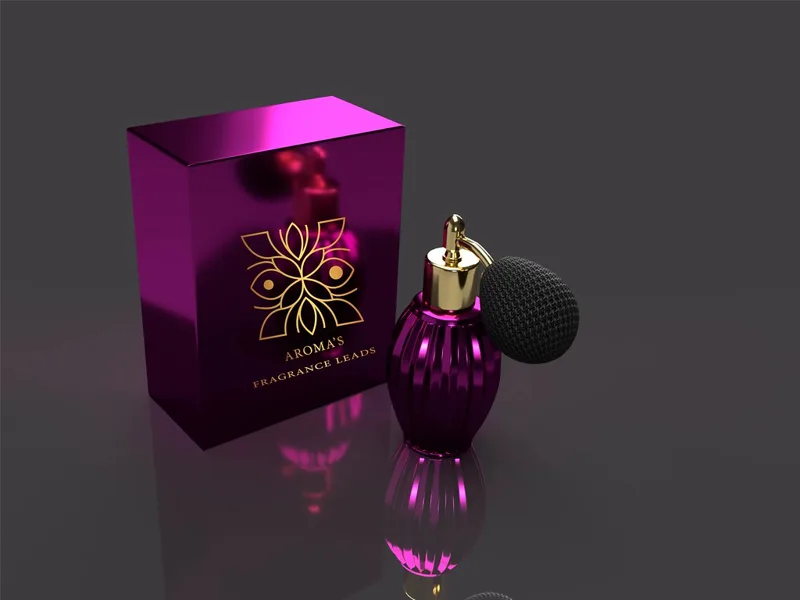
No — a perfume bottle does not have to be glass to look premium. Premium is a packaging system, not a material. Glass is a strong default signal, but a well-engineered non-glass pack (PETG, PCTG, aluminum, bio-resin) can land premium when the outer box, insert, closure, finish, and weight all pull in the same direction.
The bottle gets most of the credit; the custom perfume box around it does most of the work.
Packaging Vista supplies custom perfume packaging to US beauty and fragrance brands, and the question comes up on nearly every project: can we move away from glass without losing shelf presence or an unboxing moment? The honest answer below walks through what glass is actually signalling, which non-glass materials can replicate those signals, and where the system still breaks down.
Key takeaways
- Glass signals four things: weight, clarity, cold-first-touch, and “won’t absorb the fragrance.” Only the last is uniquely glass.
- The box carries ~50% of the premium signal. Rigid construction, magnetic closure, foil, and a fitted insert matter more than most buyers assume.
- PETG and PCTG can hit 90–150 g with the right wall thickness and base ballast — close enough to glass that most consumers can’t tell blind.
- Fragrance compatibility is the real constraint. Some alcohol-based perfumes and essential oils react with plastic over 12–24 months. Shelf life, not perception, is the honest ceiling.
Why does glass read as premium in the first place?
Walk past a Sephora shelf and the heaviest, coldest, clearest bottles sit at the top of the price ladder. There’s a reason: for a century, high-end fragrance has used glass, and the industry has trained the market to associate four specific sensory signals with premium:
- Weight. A 100 mL glass flacon weighs 150–250 g empty. A 100 mL thin PET bottle weighs under 20 g. Weight is the single strongest premium cue in blind consumer tests.
- Clarity and refraction. Glass has an index of refraction near 1.52 — light bounces inside it. Standard PET sits around 1.57 but scratches milky; PETG and PCTG hold the clarity closer to glass.
- Cold first-touch. Glass conducts heat away from your fingers faster than any plastic, so it feels cold when you pick it up. That micro-moment reads premium before you’ve consciously registered the shape.
- Fragrance compatibility. Glass is inert — it does not leach, scalp, or absorb aromatic molecules. For a long-shelf-life luxury perfume, this is the only one of the four signals that is literally glass-only.
Three of those four signals — weight, clarity, cold-touch — can be engineered into other materials. The fourth is the real constraint, and it maps onto formulation, not perception. More on that below.
What is the box actually doing for the premium signal?
Here is the industry secret: in a side-by-side test of two identical glass bottles, one in a thin folding carton and one in a rigid magnetic-closure box with foil stamping and a fitted velvet-feel insert, consumers rate the rigid-box pack as significantly more premium even when they can see the bottle is identical. The box is doing roughly half the work.
That work decomposes into:
- Construction weight. A rigid two-piece gift box at 1.5–3 mm chipboard thickness weighs 80–200 g empty — often more than the bottle inside.
- Resistance on open. A snug lift-off lid or a magnetic closure creates a tactile beat. The resistance is the premium signal; a flimsy flap breaks it instantly.
- The insert reveal. A cavity cut to the exact bottle silhouette (paperboard, molded pulp, foam-covered, or velvet-wrapped) signals craft. A free-floating bottle in bubble wrap undoes everything the box did.
- Surface finish. Soft-touch lamination, embossing, foil stamping, and spot UV each add a sensory beat before the bottle appears.
- Print consistency. True PMS Pantone matching run-to-run avoids the sub-conscious “cheap” signal that color drift creates between batches.
If the box carries all five of those cues, the bottle inside can be non-glass and the pack still reads premium. If the box carries none of them, even a crystal flacon starts to feel like a sample.
Which non-glass materials can land premium?
Not all plastics are the same. The industry mostly groups fragrance bottles into five material classes, each with a different premium ceiling.
| Material | Clarity | Weight achievable | Cold-touch | Fragrance compatibility | Premium ceiling |
|---|---|---|---|---|---|
| Glass (soda-lime, flint) | Excellent | 80–300 g | Strong | Inert, indefinite | Full luxury |
| PETG (glycol-modified) | Very good | 30–100 g (thick-wall) | Moderate | Good for 12–24 months | Prestige / affordable luxury |
| PCTG (co-polyester) | Near-glass | 50–150 g (ballasted) | Moderate | Good for 18–36 months | Prestige / near-luxury |
| Aluminum (anodized) | Opaque | 40–120 g | Strongest — metal conducts fast | Inert with inner lacquer | Modern / minimalist luxury |
| Bio-resin / PLA | Good (frost) | 25–80 g | Weak | Variable — test per formula | Sustainable premium |
| Standard PET | Clear but scratches | Under 25 g | Weak | Variable | Mass market only |
The jump from standard PET to PETG or PCTG is the critical one for anyone trying to leave glass behind without losing shelf presence. Thick-wall PETG moulded with a solid base can hit 80–100 g for a 100 mL bottle. Add a metal-plated collar and a chrome-finish cap and the perceived weight approaches a 150 g glass flacon.
Aluminum is the dark horse. It has stronger cold-touch than glass because metals conduct heat faster than silica. Anodized aluminum with an inner lacquer barrier can hold alcohol-based fragrances indefinitely, and the opaque surface shifts the premium signal from clarity to minimalism — a Tom Ford Vert d’Encens or a modernist niche-brand aesthetic rather than a classic flacon.
Where non-glass still breaks down
Three constraints keep glass locked in at the top of the fragrance market. Any one of them can push you back to glass regardless of how good the rest of the system is.
- Long shelf life with specific aromatic molecules. Some perfume accords — certain citruses, aldehydes, and oud derivatives — interact with plastic over 18+ months. Glass is inert; PETG and PCTG are not. If you cannot formulate around it, you need glass.
- Essential-oil heavy naturals. Highly concentrated essential-oil blends can soften some plastics and extract plasticizers. For true natural-perfume brands, glass is often the only honest choice.
- “Flacon” luxury category expectations. At $200+ retail for a 100 mL fragrance, consumers expect glass regardless of whether a tested alternative would feel equivalent. Perception trumps engineering above a certain price band. Below ~$120 retail, that expectation softens.
None of these mean non-glass can’t be premium. They mean non-glass has to be matched to the formula and the price band. A $65 prestige fragrance in a well-boxed PETG bottle reads premium. The same formula in glass at $65 just reads overpriced for the category.
How does the box line up with the bottle for maximum effect?
If the bottle is the hero, the box is the stage. Pair non-glass bottles with box construction that oversells the pack:
- Rigid two-piece gift box at 1.5–3 mm board, wrap-and-turn construction, with the brand logo foil-stamped on the lid. Rigid construction is the single biggest premium amplifier for a non-glass pack.
- Magnetic closure on sleeve-style boxes for perfumes meant to live on a vanity. The N38–N42 magnet grade is strong enough to resist on open without being hard to use.
- Fitted insert cut to the exact bottle silhouette. A paperboard cradle wrapped in satin-feel paper, molded pulp dyed to brand color, or EVA foam faced with velvet-touch material. See custom inserts and unboxing for the specific insert formats.
- Layered finishes on the outer box: soft-touch lamination as the base, foil stamping on the logo, and embossing or spot UV on an accent. Stack 2–3 finishes — not all at once.
- Interior print. The inside of the lid is the forgotten premium real estate. A printed interior with a brand story paragraph or a satin-feel paper lining is a strong signal buyers notice in reviews.
For a cost reference across box constructions, see how much custom packaging costs; for how finishes alter unit price, see custom box finishes.
What about sustainability? Does “eco” break premium?
The honest answer is: not any more. The sustainability-vs-premium trade-off has flipped over the last five years. Bio-resin bottles with a frosted matte finish, recycled-content PETG, and aluminum (which is widely recycled) now strengthen premium perception for Millennial and Gen Z fragrance buyers rather than weakening it.
The box side is even more aligned: FSC-certified rigid chipboard, soy-based inks, and water-based soft-touch coatings all read premium and read sustainable. See our sustainable cosmetic packaging and recyclable vs compostable guides for which claims hold up under FTC Green Guides scrutiny.
Where it still breaks: do not swap a glass bottle for a recycled-content plastic bottle and cheapen the box at the same time. The two changes compound. Keep the box premium when the bottle moves.
Regulatory and compliance notes
Fragrance packaging has two regulatory layers to consider:
- FDA cosmetic labeling. Perfume is treated as a cosmetic under US regulation. The 21 CFR 701 rules require the identity statement, net quantity, and responsible-party name/address on the outer package. The 2022 MoCRA update adds the responsible person’s US address and batch/lot identifier for traceability.
- EU CMR for cosmetics (if you ship there). Fragrance allergens above a threshold must be listed; some ingredients require specific warnings. Mirror your box panels to accommodate both US and EU text if you serve both markets.
Neither regulatory system cares whether the bottle is glass or PETG. The box is where compliance lives.
Frequently asked questions
Will consumers be able to tell a PETG bottle isn’t glass?
In a blind test with the bottle in hand, a thick-wall PETG bottle at 80–100 g with a metal-plated collar fools most consumers. Visually, in a photo or at arm’s length on a shelf, PETG is indistinguishable from glass. Where it falls short: cold-first-touch is noticeably weaker, so if the pack lives on a counter where buyers pick it up often, that gap is detectable over multiple handlings.
What is the price difference between a glass bottle and a PETG bottle at 10,000 units?
Thick-wall PETG runs roughly 30–50% lower per bottle than comparable glass at mid volumes, before accounting for freight. Glass is heavy; shipping glass internationally adds meaningful landed cost that PETG does not. For a 10,000-unit run, the total packaging savings are typically higher than the raw bottle-price gap suggests. See our how to reduce packaging costs guide for the full set of levers.
Can I use a non-glass bottle for an alcohol-based perfume?
Yes, with the right material. PETG and PCTG are both compatible with denatured alcohol (ethanol) and most common fragrance oils for 12–24 months of shelf life. For longer shelf life or highly concentrated essential-oil blends, test the specific formula in the specific bottle for at least 90 days before committing to a run.
Aluminum with an inner lacquer barrier is also compatible and extends shelf life significantly.
Does the box matter more for a non-glass bottle than for a glass bottle?
Yes. A premium glass bottle can carry a mid-tier box and still read premium because the bottle alone covers four sensory signals. A non-glass bottle shifts the load to the box, so the box has to cover more of the signal (rigid construction, foil, insert, closure). Think of it as a budget: glass pays for most of the premium cues; non-glass needs the box to pay the rest.
Are aluminum perfume bottles premium?
Yes, when the design language matches. Aluminum reads modern-minimalist rather than classic-flacon — think Byredo, Le Labo, or Comme des Garçons rather than Chanel or Dior. Anodized finishes, matte textures, and clean typography compound the effect. Aluminum has the strongest cold-first-touch of any material, which is a sensory advantage glass can’t match.
What is the biggest mistake brands make when leaving glass behind?
Downgrading the box at the same time as the bottle. The two changes compound into an obviously-cheaper pack. If you move from glass to PETG, upgrade the box simultaneously — rigid construction, magnetic closure, foil stamping, fitted insert — so the overall premium perception holds or improves. Save the cost on the bottle; spend it on the box.
The bottom line
Glass has been the default premium perfume material for 100 years and it earned that position. But the perception is a system: weight + clarity + cold-touch + inertness + box + closure + insert + finish + print. Glass covers four of those; the rest sit on the box and the pack design.
Flip the ratio — use PETG, PCTG, or aluminum for the bottle, and over-engineer the box — and most premium perfumes land exactly where they would with glass. The exceptions are at the very top of the market and for formulations that chemically require glass; everywhere else, the answer is no, your perfume bottle doesn’t have to be glass.
Packaging Vista supplies custom perfume boxes for US fragrance brands in rigid, magnetic-closure, sleeve, and tuck-end styles — with free design, free dieline, 100-box minimum, and no die or plate fees. If you’re weighing a bottle-material change, request a quote with your bottle silhouette and we’ll build the box that carries the rest of the premium signal.